Navigating CE, UL, and CSA Compliance in Sports Equipment Manufacturing
Ensure production lines for sports equipment manufacturing meet global safety standards. A deep dive into CE, UL, and CSA compliance for OEM machinery.
The Regulatory Matrix for Sports Gear Production Lines
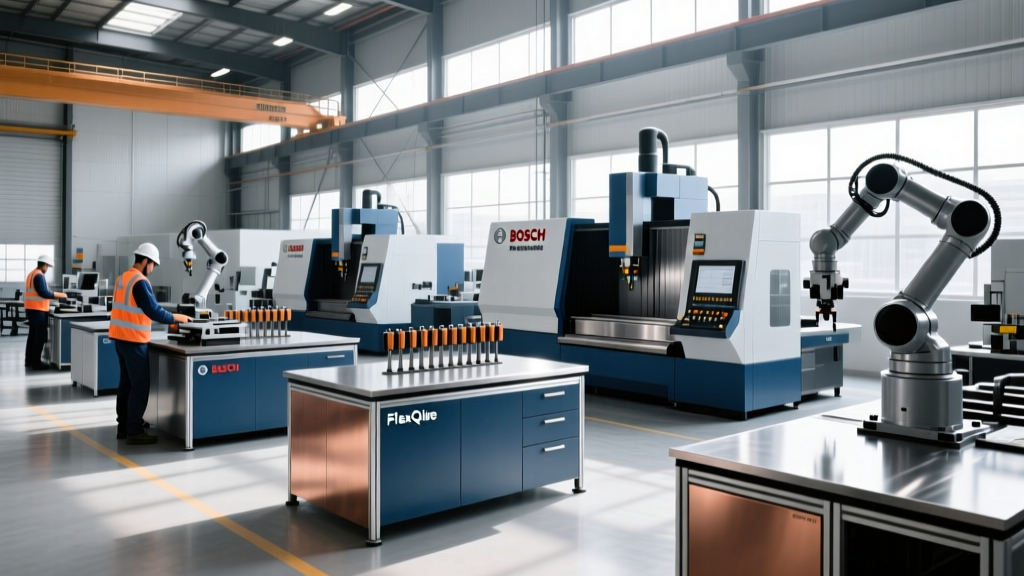
When engineers design machinery for sports equipment manufacturing, the focus often defaults to the end-product's performance and safety standards—such as NOCSAE certification for football helmets or ASTM standards for composite tennis rackets. However, the industrial machinery producing this gear faces an entirely separate, equally rigorous regulatory gauntlet. Whether you are operating automated EVA foam injection presses for running shoe midsoles, filament winding machines for carbon-fiber hockey sticks, or high-pressure autoclaves for bicycle frames, the production equipment itself must comply with regional machinery safety directives.
Navigating the intersection of CE marking (Europe), UL certification (United States), and CSA marks (Canada) requires a granular understanding of industrial control panels, safety PLCs, and mechanical guarding. Failure to properly certify a custom production line doesn't just result in customs holds or factory shutdowns; it exposes the manufacturer to severe liability in the event of an operator injury. As of 2026, global supply chain audits heavily scrutinize the Short Circuit Current Ratings (SCCR) and Safety Integrity Levels (SIL) of custom-built sports gear machinery.
CRITICAL DISTINCTION: Product vs. Process CertificationDo not confuse the certification of the sports equipment (e.g., a certified impact-resistant polycarbonate hockey visor) with the certification of the thermoforming machine that molds it. The former requires material and impact testing; the latter requires compliance with the EU Machinery Directive 2006/42/EC or North American electrical codes like NFPA 79.
CE Marking: The European Machinery Directive in Action
For machinery destined for European sports equipment factories, or for OEMs building machines in Europe for global export, CE marking is mandatory. The CE mark is not a quality stamp; it is a legal declaration that the machine meets the Essential Health and Safety Requirements (EHSRs) of the Machinery Directive.
Risk Assessment and ISO 12100
The foundation of CE compliance is the risk assessment, governed by ISO 12100. In sports equipment manufacturing, unique hazards emerge. For example, automated stitching machines used for leather soccer cleats present severe pinch-point and needle-strike hazards. A standard mechanical guard is insufficient if the operator must interact with the last during the stitching cycle.
To mitigate this, machine builders must implement electro-sensitive protective equipment (ESPE), such as SICK deTec4 Core safety light curtains, tied to a safety PLC like the Allen-Bradley GuardLogix 5580. Under ISO 13849-1, the control system must achieve a specific Performance Level (PL). For high-speed athletic footwear stitching, a Category 3 or 4 architecture is typically required, ensuring that a single fault in the safety circuit does not lead to a loss of the safety function.
UL 508A and CSA C22.2: North American Control Panel Standards
In North America, the focus shifts heavily to electrical fire and shock hazards. The National Electrical Code (NEC) and the Canadian Electrical Code (CEC) require industrial machinery to be evaluated for electrical safety. While the CE mark looks at the entire machine's mechanical and electrical risk, UL and CSA marks heavily scrutinize the Industrial Control Panel (ICP).
UL 508A (Standard for Industrial Control Panels) and its Canadian equivalent, CSA C22.2 No. 14, dictate how control panels are wired, grounded, and protected. A common failure point in sports equipment manufacturing lines—particularly in composite curing ovens used for carbon-fiber archery bows or ski cores—is the miscalculation of the Short Circuit Current Rating (SCCR).
"An SCCR calculation isn't just about the main breaker. If you install a variable frequency drive (VFD) for a heavy-duty extruder making polyurethane skateboard wheels, and the VFD's fault current rating is lower than the available fault current at the factory busbar, the entire panel fails UL 508A inspection. The VFD could explode during a short circuit, causing an arc flash."
— Senior Electrical Safety Engineer, Industrial Machinery Division
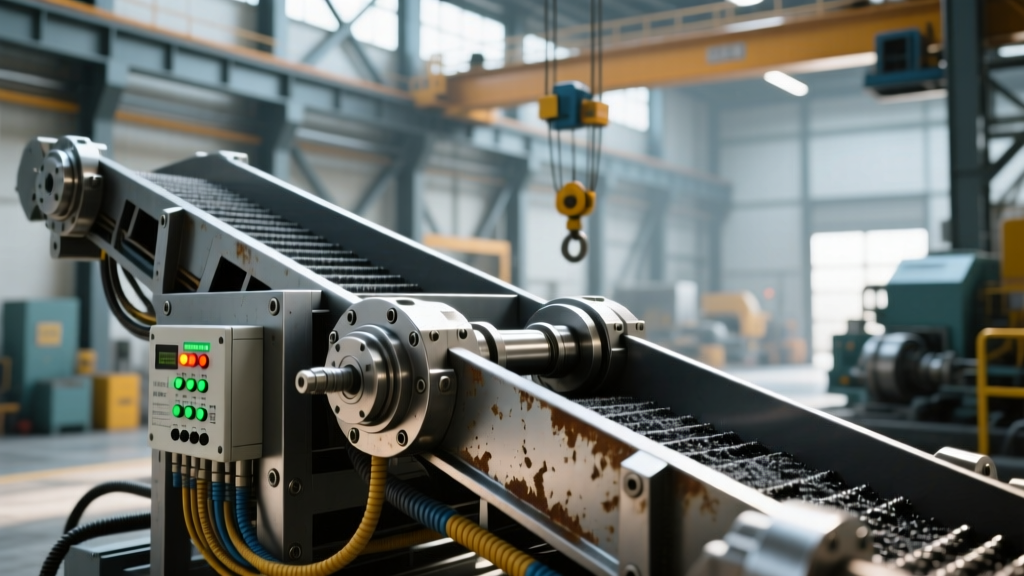
To ensure compliance with NFPA 79 (Electrical Standard for Industrial Machinery), machine builders must properly size motor starters, utilize correct wire gauges for high-temperature environments (like autoclaves), and ensure all disconnects are lockable in the OFF position.
Compliance Matrix: Carbon Fiber Autoclave Line
To illustrate how these standards apply to a specific piece of sports equipment manufacturing machinery, consider a 12-meter industrial autoclave used to cure carbon-fiber layups for high-end tennis rackets and baseball bats. The table below breaks down the specific compliance requirements across the three major marks.
| Compliance Area | CE (Europe) | UL 508A (USA) | CSA (Canada) |
|---|---|---|---|
| Primary Standard | Machinery Directive 2006/42/EC, EN ISO 12100 | UL 508A, NFPA 79 | CSA C22.2 No. 14, CSA C22.2 No. 301 |
| Pressure Vessel | PED (Pressure Equipment Directive) 2014/68/EU | ASME Boiler and Pressure Vessel Code (Section VIII) | CSA B51 (Boiler, pressure vessel, and piping code) |
| Control Panel | EN IEC 60204-1 (Safety of machinery - Electrical equipment) | SCCR calculation required; Listed components | C22.2 No. 14; Field Evaluation if not pre-certified |
| Safety Interlocks | EN ISO 14119 (Interlocking devices associated with guards) | NFPA 79 requirements for door interlocks | Z432 (Safeguarding of machinery) |
Hidden Compliance Traps in Sports Equipment Factories
Standard machine-building practices often miss the environmental nuances specific to sports gear production. Two edge cases frequently cause compliance failures during on-site inspections by OSHA and local electrical authorities.
1. Wet Testing Environments and GFCI Requirements
Manufacturers of waterproof hiking boots, golf shoes, and water-sports gear utilize automated hydrostatic testing tanks to verify membrane integrity. These machines submerge the footwear in water while applying internal air pressure. The proximity of high-voltage pneumatic compressors and servo-motors to large volumes of water creates a severe shock hazard. Standard UL 508A panels often fail here if the builder does not integrate specialized Ground Fault Circuit Interrupter (GFCI) protection or equipotential bonding grids beneath the testing tanks. Furthermore, control panels in these zones must carry a minimum NEMA 4X (watertight and corrosion-resistant) rating, utilizing stainless steel enclosures to withstand constant humidity and chlorine-based water treatments.
2. Combustible Dust from Composite and Wood Processing
The production of wooden baseball bats, skateboards, and composite field hockey sticks generates fine, highly combustible dust. CNC routing machines used to carve ash bats or mill maple skateboard decks must comply with NFPA 652 (Standard on the Fundamentals of Combustible Dust). The electrical enclosures on these CNC machines cannot be standard NEMA 12; they must be rated for hazardous locations (e.g., Class II, Division 2) or utilize purged and pressurized enclosures (NFPA 496) to prevent dust ingress from triggering an internal arc and subsequent deflagration.
Cost and Timeline Framework for Line Certifications
Budgeting for compliance is a critical step in the CAPEX planning for a new sports equipment manufacturing facility. Treating certification as an afterthought will derail your production launch. Below is a realistic framework for 2026 pricing and timelines for custom machinery certification.
- CE Marking (Full Machine & Risk Assessment): Expect to pay between $15,000 and $35,000 per custom machine for a Notified Body to review the technical file, validate the ISO 12100 risk assessment, and verify the safety PLC architecture. Timeline: 8 to 14 weeks.
- UL 508A Panel Certification: If your OEM builds the panel in-house without a UL shop authorization, you will require a Field Evaluation (FFE) by an OSHA-recognized Nationally Recognized Testing Laboratory (NRTL) like Intertek or TUV. Cost: $4,500 to $8,500 per panel. Timeline: 2 to 4 weeks per site visit.
- Pressure Vessel Stamping (ASME/PED): For composite curing autoclaves or high-pressure injection molding accumulators, third-party Authorized Inspectors (AI) must witness hydro-tests. Cost: $10,000+ integrated into the vessel fabrication cost. Timeline: Adds 4 to 6 weeks to the fabrication schedule.
By integrating these compliance requirements into the initial CAD and electrical schematic phases, sports equipment manufacturers can ensure their production lines are not only capable of producing world-class athletic gear but are also legally compliant, safe for operators, and insured against catastrophic electrical or mechanical failures.