Asphalt Mixing Equipment MN: Automation Costs
Discover 2026 automation costs for asphalt mixing equipment in MN. Boost hot mix plant ROI, efficiency, and MnDOT compliance.
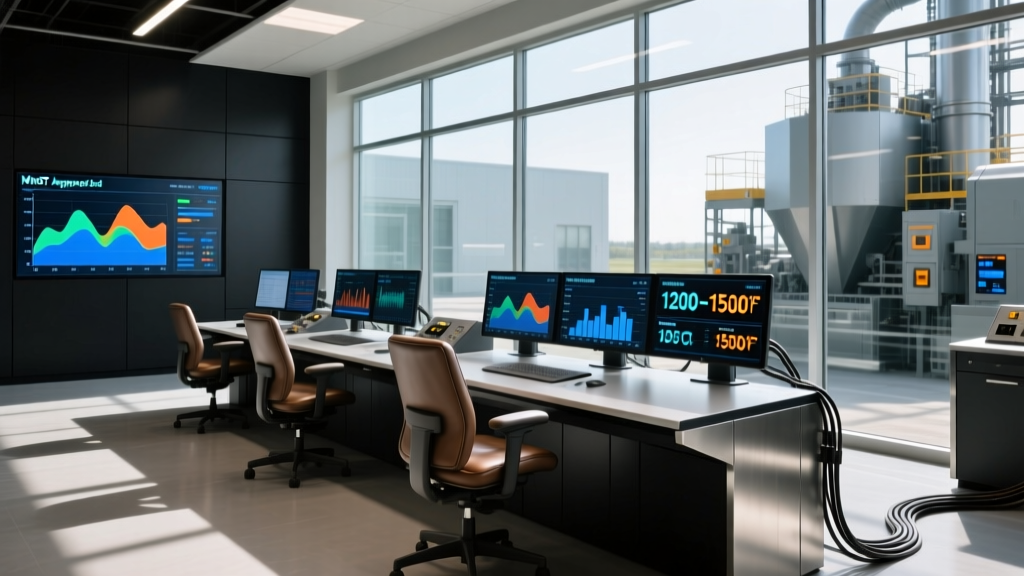
Minnesota’s asphalt paving season is notoriously unforgiving. With a production window typically compressed between May and October, and strict Minnesota Department of Transportation (MnDOT) HMA Specifications dictating mix tolerances, downtime is not an option. For producers looking to maximize throughput and ensure mix consistency, finding a reliable asphalt mixing equipment manufacturer mn paving contractors and municipalities trust is the first critical step. In 2026, the competitive edge in the North Star State belongs to facilities that have embraced plant automation, transitioning from manual relay-logic systems to advanced PLC and SCADA architectures.
This guide breaks down the real-world costs, technical requirements, and ROI of automating a hot mix facility in the Upper Midwest, providing actionable data for plant managers and owners evaluating capital expenditures for the upcoming production season.
Why Partner with an Asphalt Mixing Equipment Manufacturer MN?
Procuring heavy industrial machinery requires more than just a transaction; it demands a long-term technical partnership. A premier asphalt mixing equipment manufacturer mn based operations rely on understands the unique environmental and regulatory challenges of the region. Minnesota facilities face extreme thermal cycling, with ambient temperatures swinging from -30°F in the winter to 95°F in the summer. This requires heavily winterized equipment, including insulated burner lines, heated liquid asphalt cement (AC) tanks, and specialized cold feed bin vibrators to prevent aggregate freezing.
Evaluating Hot Mix Asphalt Equipment MN Suppliers
When auditing potential suppliers for hot mix asphalt equipment mn producers must prioritize local aftermarket support. A supplier with a regional parts depot in the Twin Cities or Duluth can reduce emergency downtime from days to hours. Furthermore, local manufacturers are intimately familiar with the Minnesota Pollution Control Agency (MPCA) air quality permits, ensuring that baghouse upgrades and burner replacements meet strict particulate and NOx emission thresholds without requiring costly engineering re-certifications.
Breaking Down Hot Mix Asphalt Plant Automation Costs in 2026
Upgrading a legacy plant to a fully automated state is a significant capital investment, but it directly addresses the industry-wide shortage of skilled plant operators. According to the National Asphalt Pavement Association (NAPA), automated plants reduce mix temperature deviations by up to 40%, drastically cutting fuel consumption and liquid AC waste. Below is the estimated 2026 cost matrix for retrofitting a standard 300-TPH drum or batch plant.
| Automation Component | System Description | Estimated Cost (USD) |
|---|---|---|
| PLC & HMI Control Upgrade | Allen-Bradley or Siemens PLC with 15-inch industrial touch HMI, replacing legacy relay panels. | $45,000 - $85,000 |
| VFD Integration | Variable Frequency Drives for the ID fan, slat conveyor, and aggregate weigh belts to ensure precise speed control. | $28,000 - $42,000 |
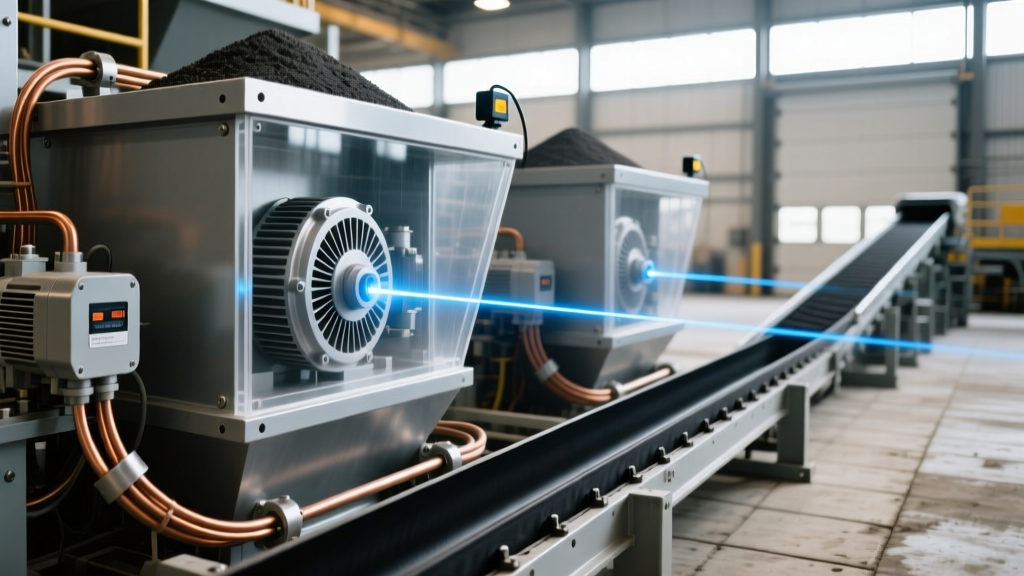
| Sensor Array Installation | Microwave moisture sensors on cold feed bins and infrared pyrometers at the drum discharge. | $18,000 - $26,000 |
| Telematics & SCADA | Cloud-based data logging for remote monitoring, ticketing integration, and predictive maintenance alerts. | $12,000 - $19,000 |
| Engineering & Commissioning | On-site electrical wiring, PLC programming, loop testing, and operator training. | $25,000 - $45,000 |
| Total Estimated Retrofit | Full plant automation from manual/semi-auto to modern digital control. | $128,000 - $217,000 |
While the upfront capital expenditure is substantial, the reduction in liquid asphalt giveaway (often just 0.1% to 0.2% per ton) typically yields a complete ROI within 1.5 to 2.5 production seasons for a plant running 150,000+ tons annually.
Upgrading Existing Hot Mix Asphalt Plant Equipment MN
Not every producer is in the market for a greenfield facility. Retrofitting existing hot mix asphalt plant equipment mn yards currently operate is often the most financially sound strategy. The core structural components of a plant—the dryer drum, tower, and silos—have a mechanical lifespan of 30 to 40 years. It is the control and metering systems that become obsolete.
The Retrofit Process: Step-by-Step
- Audit Existing I/O: Map all existing thermocouples, load cells, and tachometers. Determine which sensors can be integrated into a modern 4-20mA or Modbus network and which require replacement.
- Install VFDs on Induced Draft (ID) Fans: Legacy plants often use damper controls for negative pressure in the baghouse. Switching to VFD-controlled ID fans eliminates damper maintenance and reduces electrical draw by up to 25%.
- Automate Burner Modulation: Tie the aggregate infrared temperature sensor directly to the burner’s fuel valve actuator. This closed-loop system adjusts fuel flow in real-time, compensating for moisture spikes in the virgin aggregate.
- Integrate Ticketing Software: Connect the plant’s weighbridge and silo load cells directly to the dispatch office, eliminating manual ticket writing and reducing scale-house bottlenecks.
Key Features from a Hotmix Asphalt Equipment Manufacturer MN
When specifying a new control system, every hotmix asphalt equipment manufacturer mn facilities work with should provide technology tailored to high-stress, high-volume environments. Look for these non-negotiable features in 2026:
- Recipe Management Databases: The ability to store hundreds of MnDOT and municipal mix designs, allowing operators to switch from a Superpave wearing course to a base mix with a single screen tap, automatically adjusting aggregate gates and AC pump speeds.
- Predictive Maintenance Telematics: Vibration sensors on the drum drive motors and baghouse augers that alert the plant manager’s smartphone when bearing degradation is detected, preventing catastrophic mid-season failures.
- Recycle (RAP) Optimization: Advanced logic that safely maximizes Recycled Asphalt Pavement (RAP) percentages by precisely timing the introduction of RAP into the drum, preventing the burning off of valuable virgin binders while avoiding blue smoke emissions.
Choosing a Dedicated Hot Mix Asphalt Equipment Manufacturer MN
The transition to automated controls requires a vendor that bridges the gap between heavy mechanical engineering and software development. Choosing a dedicated hot mix asphalt equipment manufacturer mn ensures that the programmers writing the PLC logic actually understand the physics of asphalt production—such as the latency between adjusting a cold feed bin gate and seeing the resulting change at the silo. Generic industrial automation firms often lack this specific domain expertise, leading to control loops that hunt or overshoot, ultimately wasting fuel and producing out-of-spec material.
FAQ: Hot Mix Asphalt Mixing Equipment & Plant Automation
How do I choose a hot mix asphalt equipment manufacturer in MN?
Focus on regional technical support, winterization capabilities, and familiarity with local environmental regulations. A local manufacturer will have field technicians available within a 4-hour drive to address critical PLC or burner failures during the peak summer paving season, ensuring you do not miss critical highway project deadlines.
What defines a top hot mix asphalt mixing equipment manufacturer hot mix asphalt plant mn operators rely on?
The best manufacturers combine rugged, cold-weather mechanical designs with proprietary, user-friendly software interfaces. They provide comprehensive training for local operators and offer cloud-based diagnostic support, allowing their engineers to remotely troubleshoot HMI errors or sensor faults without waiting for a service truck to arrive on site.
Can an older hot mix asphalt plant in MN be fully automated?
Yes. As long as the structural steel, drum, and baghouse are in sound mechanical condition, the electrical and control systems can be entirely stripped and replaced with modern PLC, VFD, and SCADA networks. This 'brain transplant' approach costs roughly 20% to 30% of a brand-new plant while delivering identical digital precision and fuel efficiency.
How does automation help with MnDOT mix compliance?
MnDOT specs require strict adherence to aggregate gradation and binder content. Automated plants use continuous belt scales and Coriolis mass flow meters for the liquid AC, ensuring the exact recipe is maintained ton after ton. The system automatically logs this data, providing digital proof of compliance for state inspectors and eliminating the risk of costly core-test failures.