HMA Plant Automation Budget: MN Guide 2026
Analyze 2026 CapEx for HMA plant automation. Budget frameworks and ROI from a hotmix asphalt mixing equipment manufacturer in MN.
The Capital Reality of HMA Plant Automation in 2026
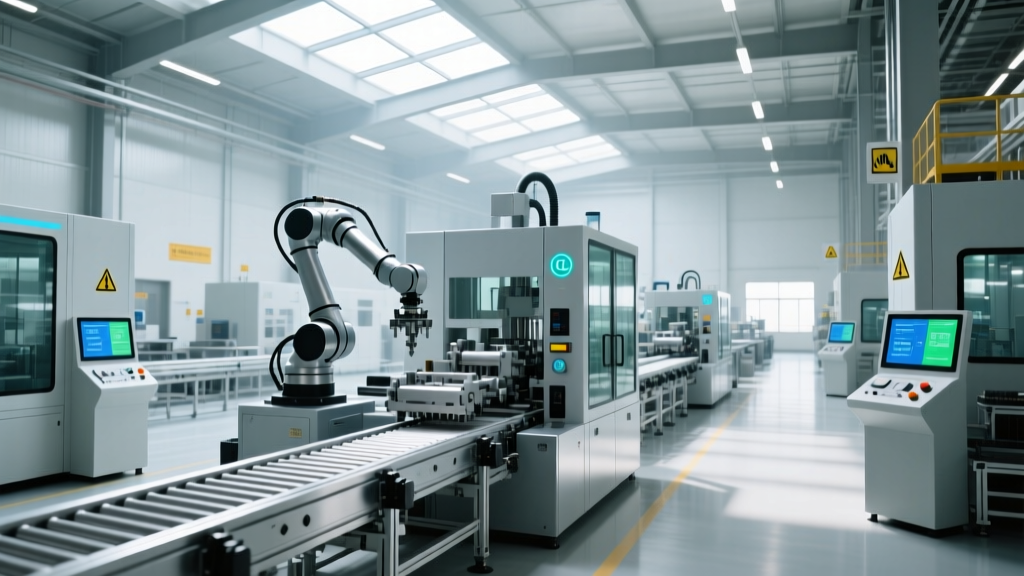
Upgrading a legacy hotmix asphalt (HMA) drum or batch plant to a fully automated, data-logging production line is no longer optional for contractors targeting state-level paving contracts. With the 2026 construction season approaching, labor shortages and stringent mix tolerances demand precise, PLC-driven automation. However, plant managers frequently underestimate the true CapEx required for seamless integration. Budgeting for an automated HMA line requires moving beyond base equipment costs to account for SCADA licensing, winterization engineering, and compliance instrumentation.
This guide breaks down the exact costs of automating an HMA production line, providing a financial framework for operations managers evaluating upgrades, particularly when sourcing from a regional hotmix asphalt mixing equipment manufacturer MN contractors rely on for extreme-weather engineering.
Winterization CapEx Warning: Standard automation enclosures fail in Minnesota winters. Budget an additional 12% to 15% on top of base PLC costs for NEMA 4X insulated enclosures, silicone rubber heaters, and Arctic-grade pneumatic line treatments to prevent I/O freezing during early-season April starts.Core Automation Integration: PLC and SCADA Costs
The brain of any modern HMA plant is the Programmable Logic Controller (PLC) and the Supervisory Control and Data Acquisition (SCADA) interface. Migrating from legacy relay-logic or outdated PLC-5 systems to modern architectures is the largest single line item in the automation budget.
Hardware and Licensing Breakdown
Most top-tier HMA integrators standardize on either the Allen-Bradley ControlLogix 5580 series or the Siemens S7-1500 for heavy industrial mixing environments. For SCADA, the industry has heavily pivoted toward Ignition by Inductive Automation due to its unlimited tag licensing model, which eliminates the per-tag cost penalties associated with legacy systems like Wonderware.
| Automation Component | 2026 Estimated Cost Range | Integration & Labor | Expected ROI Timeline |
|---|---|---|---|
| Allen-Bradley ControlLogix 5580 Chassis & I/O | $45,000 - $65,000 | $30,000 (Panel build & wiring) | 18 - 24 Months |
| Ignition SCADA (Unlimited Tag License) | $15,000 - $22,000 | $40,000 (HMI design & SQL setup) | 12 - 18 Months |
| Operator Control Room Consoles (Industrial) | $8,000 - $12,000 | $2,500 (Ergonomic install) | N/A (Labor retention) |
| Fiber Optic Plant Network Backbone | $12,000 - $18,000 | $15,000 (Trenching & termination) | Immediate (Data reliability) |
Cold Feed and RAP Automation: Precision Meets Budget
Automated production lines live and die by the accuracy of their cold feed bins and Recycled Asphalt Pavement (RAP) integration. Manual gate adjustments lead to gradation failures and costly mix rejections by state inspectors.
Variable Frequency Drives (VFDs) and Belt Scales
To achieve the precise volumetric feeding required by modern mix designs, each cold feed bin must be equipped with a VFD and a continuous belt scale integrator.
- VFDs (Danfoss VLT AutomationDrive or Yaskawa A1000): Expect to pay between $1,400 and $2,200 per unit for 10HP to 15HP drives suitable for aggregate conveyors. A standard 5-bin feed system requires approximately $10,000 in drive hardware.
- Belt Scale Integrators (Ramsey or Thermo Fisher): High-accuracy idler scales with digital integrators cost $4,500 to $6,000 per bin. These must be calibrated weekly; automated zero-tracking software in the SCADA system reduces this maintenance burden.
- RAP Collar Automation: Introducing RAP into the drum without creating "blue smoke" (overheated asphalt binder) requires an automated RAP collar. Upgrading the RAP conveyor with a synchronized VFD and adding infrared temperature sensors (e.g., Williamson Pro-Series, ~$3,200 each) allows the PLC to dynamically adjust the virgin aggregate flame based on RAP moisture and temperature.
Why Specify a Hotmix Asphalt Mixing Equipment Manufacturer MN Locals Rely On?
When planning a multi-million-dollar plant overhaul, geography dictates logistics, freight costs, and engineering relevance. Searching for a localized hotmix asphalt mixing equipment manufacturer MN facilities trust provides distinct financial and operational advantages over national OEMs located in the South or Midwest.
Freight & Rigging Savings: Sourcing heavy structural components (baghouses, slat conveyors, drum shells) from a manufacturer within a 300-mile radius of your Minnesota plant can save $15,000 to $28,000 in oversize load freight and specialized rigging fees compared to sourcing from Texas or Georgia.MnDOT Compliance and Spec 3138
Minnesota Department of Transportation (MnDOT) specifications for HMA are among the strictest in the country. According to MnDOT materials guidelines, automated plants must maintain rigorous temperature controls and provide continuous, tamper-proof data logging for every ton produced. A regional manufacturer inherently engineers their PLC logic and SCADA databases to output the exact batch tickets and gradation reports required by MnDOT Spec 3138, eliminating the need for expensive third-party software customization.
Baghouse and Emissions Automation
The baghouse is the most critical environmental control on an HMA plant. Automating the pulse-jet cleaning sequence based on real-time differential pressure rather than a fixed timer saves massive amounts of compressed air and extends filter bag life from 2 years to 4+ years.
"By integrating Rosemount 3051 differential pressure transmitters (approximately $950 each) across the baghouse chambers, the PLC fires the pulse valves only when the pressure drop exceeds 4.5 inches of water column. This targeted automation reduces compressor load by up to 22%, yielding an annual energy savings of $8,000 to $12,000 per plant."
Furthermore, the National Asphalt Pavement Association (NAPA) heavily advocates for automated emissions monitoring to ensure plants meet local EPA particulate matter (PM) thresholds, a feature that regional manufacturers seamlessly integrate into the main SCADA dashboard.
Step-by-Step Budgeting Framework for Plant Managers
To prevent CapEx overruns during the integration phase, plant managers should follow this 4-step financial planning framework:
- Audit Existing I/O and Motor Control Centers (MCCs): Before purchasing new PLCs, have an electrical engineer audit your existing MCCs. If your motor starters are older than 15 years, budget an additional $40,000 to $60,000 for MCC retrofitting to support modern networked I/O.
- Allocate 20% for Commissioning and Calibration: Hardware is only half the battle. Budget 20% of the total automation CapEx specifically for on-site commissioning, loop checking, and scale calibration by certified technicians.
- Factor in Downtime Losses: A full PLC and SCADA swap typically requires 10 to 14 days of plant downtime. Schedule this for January or February, and calculate the lost revenue opportunity based on your previous year's daily tonnage output.
- Establish a 5-Year Spare Parts Escrow: Immediately allocate $15,000 to purchase critical spares (spare VFDs, PLC processor modules, HMI touchscreens) to keep on-site, mitigating the risk of week-long shipping delays during peak paving season.
Hidden CapEx Traps to Avoid
Do not overlook the cost of control cable replacement. Legacy plants often use unshielded cables that cannot handle the electromagnetic interference (EMI) generated by modern high-frequency VFDs. Budget $2 to $4 per foot for shielded, armored VFD cable (e.g., Belden or Rockwell) to prevent signal ghosting on your belt scales. Failing to replace this cable is the number one cause of post-integration gradation failures.