Energy Efficiency Ratings for Pilates Equipment Manufacturers
How pilates equipment manufacturers can leverage industrial energy efficiency ratings to cut factory overhead, budget for IE4 motors, and calculate ROI.
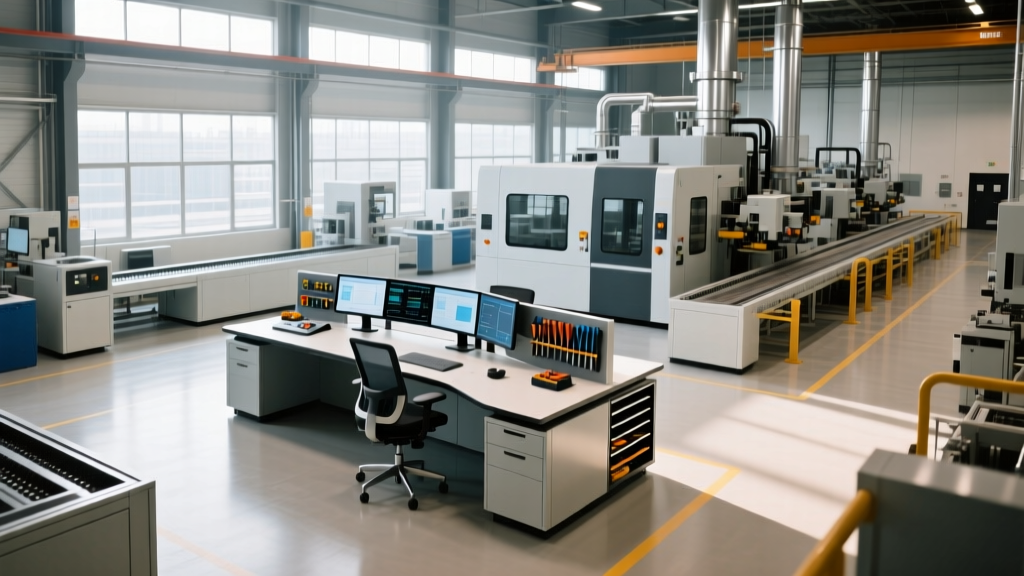
For pilates equipment manufacturers, the end product is physical wellness, but the production floor is an industrial heavyweight. Manufacturing premium reformers, cadillacs, and combo chairs requires energy-intensive processes: CNC routing dense Baltic birch and maple, extruding and bending steel carriages, and curing powder-coated frames in high-temperature batch ovens. As industrial electricity rates stabilize around $0.14 to $0.16 per kWh in 2026, energy overhead has become a primary margin-compressor for fitness equipment fabricators.
Budgeting for factory upgrades requires moving beyond simple purchase price comparisons. By strictly evaluating manufacturing equipment energy efficiency ratings—specifically IEC motor standards, thermal insulation metrics, and ISO 1217 pneumatic benchmarks—operations managers can accurately forecast operational expenditures (OpEx) and justify capital expenditures (CapEx) with precision.
Decoding Industrial Motor Efficiency (IE) Ratings
The backbone of any reformer production line relies on electric motors driving CNC dust collection systems, automated tube benders, and conveyor assemblies. The International Electrotechnical Commission (IEC) standard 60034-30-1 classifies motor efficiency into distinct tiers. Understanding these tiers is non-negotiable for accurate cost analysis.
Quick Reference: IEC Efficiency Classes- IE2 (High Efficiency): The baseline standard for older factory equipment. Prone to significant thermal loss under continuous load.
- IE3 (Premium Efficiency): The current minimum regulatory standard in many jurisdictions for new industrial motor sales.
- IE4 (Super Premium Efficiency): Features optimized copper windings and reduced electromagnetic slip. Ideal for high-duty-cycle machinery like CNC spindle chillers and dust extractors.
- IE5 (Ultra Premium): Typically reserved for specialized servo-driven applications; currently cost-prohibitive for general factory auxiliary systems.
According to the U.S. Department of Energy's Advanced Manufacturing Office, upgrading from an IE2 to an IE4 motor on a continuously running system reduces electrical losses by up to 20%. For a facility producing 500 reformer units a month, the cumulative savings on auxiliary systems drastically alter the unit economics of the final product.
CapEx vs. OpEx: The 50-HP Compressor ROI Matrix
Pneumatic assembly tools, automated clamping jigs for welding steel cadillac frames, and air-blowoff stations for pre-powder-coating preparation demand massive volumes of compressed air. Air compressors are notoriously inefficient; typically, only 10% to 15% of the electrical input is converted into usable compressed air energy, with the rest lost as heat.
When budgeting for a new rotary screw air compressor, evaluating the ISO 1217 acceptance efficiency rating alongside the motor's IE class is critical. Below is a comparative cost analysis for a 50-HP (37.3 kW) compressor operating 6,000 hours annually in a two-shift production environment.
| Metric | Standard Setup (IE2 Motor, Fixed Speed) | Optimized Setup (IE4 Motor, VFD Integrated) |
|---|---|---|
| Motor Efficiency | 91.0% | 95.2% |
| Average Power Draw | 41.0 kW | 36.5 kW (with VFD unloaded savings) |
| Annual kWh Consumption | 246,000 kWh | 219,000 kWh |
| Annual Energy Cost (@ $0.15/kWh) | $36,900 | $32,850 |
| Equipment Purchase Price | $14,500 | $22,800 |
| Simple Payback Period | N/A | 2.05 Years |
The Variable Frequency Drive (VFD) is the true multiplier here. A fixed-speed compressor wastes immense energy idling or blowing off excess pressure when the CNC routing table is not actively using pneumatic clamps. The VFD scales the motor speed to match exact air demand, which, when paired with an IE4 motor, yields compounding efficiency gains.
Thermal Efficiency in Powder Coating Batch Ovens
The steel and aluminum carriages of high-end reformers require durable, sweat-resistant finishes, typically achieved via powder coating. The curing process demands batch ovens operating at 400°F (204°C) for 20-minute cycles. Evaluating the thermal efficiency of these ovens is a frequently overlooked aspect of factory budget planning.
Insulation Ratings and Heat Loss
Standard entry-level batch ovens utilize single-wall construction or low-density fiberglass batts (R-4 to R-6). In a facility with high ceilings and drafty loading bays, the outer skin of these ovens can reach 140°F, bleeding expensive thermal energy into the factory floor.
When sourcing ovens, require the manufacturer's thermal loss specifications. Premium ovens feature dual-wall construction with 4-inch mineral wool insulation (R-12 to R-16) and engineered door seals.
Warning: The Hidden Cost of Oven AirflowThermal insulation is only half the equation. Ovens with poorly balanced exhaust hoods will pull conditioned factory air into the oven to replace exhausted fumes, forcing the factory's HVAC system to work overtime. Budget for ovens with integrated heat-recovery ventilators (HRVs) that pre-heat incoming make-up air using the exhaust stream, cutting natural gas consumption by up to 18%.
Strategic Budgeting and ISO 50001 Compliance
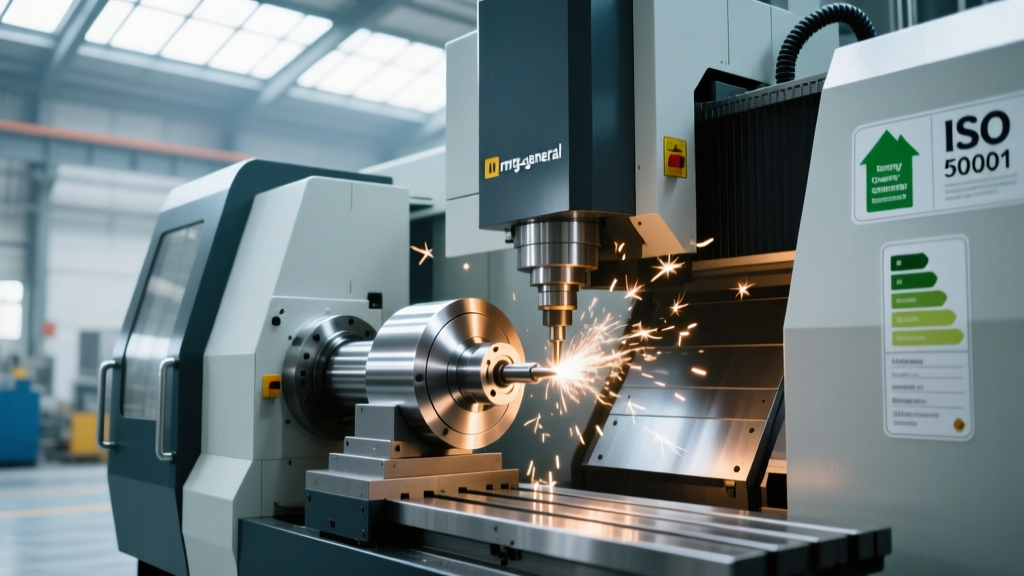
Upgrading to high-efficiency manufacturing equipment requires upfront capital, which can strain cash flow for mid-sized fitness equipment fabricators. To bridge this gap, operations leaders should align their energy efficiency upgrades with ISO 50001 Energy Management Systems.
Implementing an ISO 50001 framework does more than just organize your utility data; it provides the verified baseline metrics required to apply for industrial utility rebates. Many regional energy providers offer CapEx subsidies covering 20% to 40% of the cost for IE4 motor upgrades and VFD installations, provided the facility can demonstrate a verified energy baseline and projected savings.
A Phased Procurement Framework
To avoid production downtime and manage cash flow, pilates equipment manufacturers should adopt a phased procurement strategy based on equipment duty cycles:
- Phase 1 (Months 1-3): Auxiliary Systems. Target dust collection blowers and air compressors. These run continuously regardless of specific machine tool operation, offering the fastest and most predictable ROI.
- Phase 2 (Months 4-8): Thermal Systems. Upgrade powder coating ovens and facility HVAC. Schedule these installations during seasonal lulls in fitness equipment demand (typically late Q3).
- Phase 3 (Months 9-12): Primary Machine Tools. Replace aging CNC routers and tube benders with models featuring regenerative braking drives, which feed kinetic energy back into the facility's microgrid during spindle deceleration.
The Bottom Line for Fitness Equipment Fabricators
In the highly competitive commercial and residential fitness market, the margin of error is slim. A reformer that costs $400 less to manufacture due to optimized factory overhead can be the deciding factor in securing a multi-studio franchise contract. By treating energy efficiency ratings not as environmental compliance metrics, but as hard financial levers, pilates equipment manufacturers can secure a distinct, quantifiable advantage on the balance sheet.