Machining Metalworking CNCs: 2026 Equipment Buyer Guide
Compare top machining metalworking CNC mills and lathes for 2026. Expert buyer guide covering Haas, DMG MORI, 5-axis ROI, spindle specs, and hidden costs.
Allocating capital for machining metalworking equipment in 2026 requires moving beyond basic axis counts and table sizes. With domestic reshoring initiatives accelerating and aerospace tolerances tightening to ±0.0002 inches, shop owners must evaluate thermal stability, native digital twin capabilities, and high-pressure coolant integration before signing a purchase order. The gap between a profitable shop and a struggling one is often defined by the hidden specifications of their CNC fleet: spindle taper runout at 15,000 RPM, native robot I/O readiness, and control system interpolation speeds.
Machine Class Matrix: VMC, HMC, and Multi-Tasking
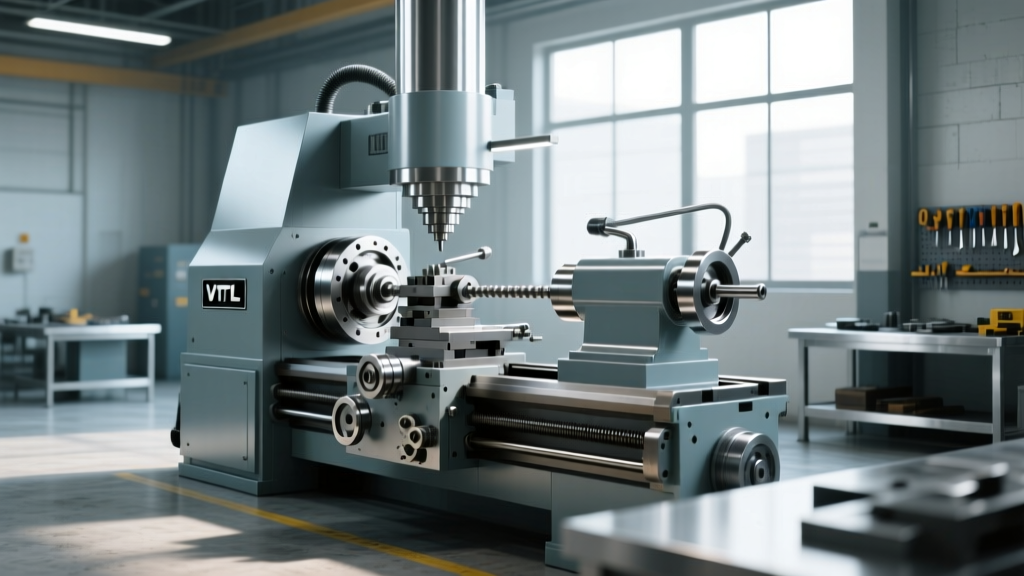
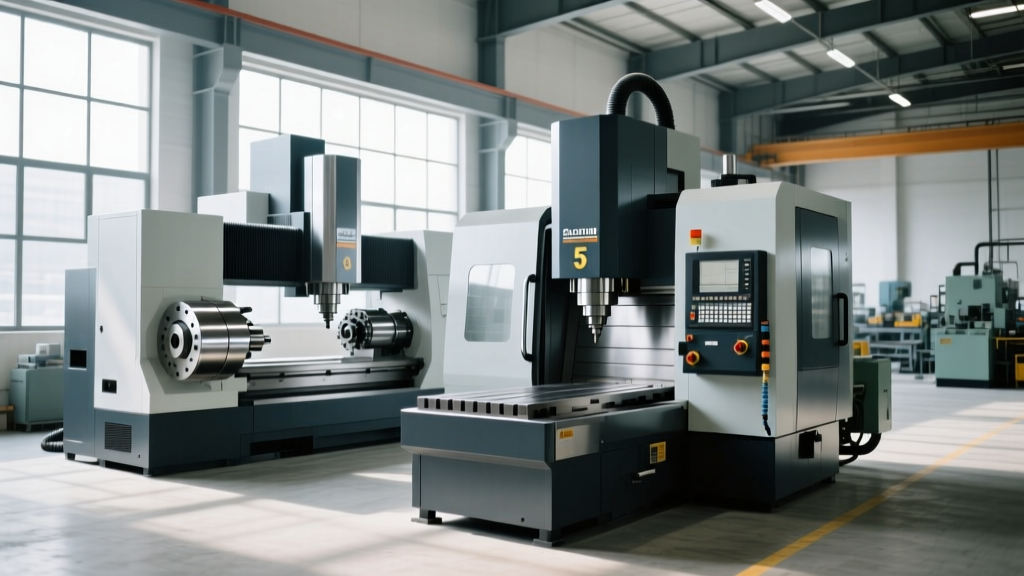
Selecting the right architecture depends entirely on your part geometry, batch sizes, and floor space constraints. Horizontal Machining Centers (HMCs) command a 40% premium over VMCs but offer superior chip evacuation and tombstone utilization for high-volume prismatic parts. Multi-tasking machines eliminate secondary setups, drastically reducing cumulative tolerance stack-up.
| Machine Class | Benchmark 2026 Model | Core Specifications | Est. Drive-Out Price |
|---|---|---|---|
| High-Speed VMC | Haas VF-2SS | 12,000 RPM Inline Spindle, 50-hp Vector Drive, CAT40 | $85,000 - $95,000 |
| Turning Center | DMG MORI NLX 2500 | BMT65 Turret, 10,000 RPM Rotary Tools, Y-Axis | $195,000 - $220,000 |
| 5-Axis VMC | Mazak VARIAXIS i-600 | 12,000 RPM, HSK-A63, Roller Gear Cam Table | $280,000 - $320,000 |
| Multi-Tasking | Mazak INTEGREX i-200S | 12,000 RPM Milling Spindle, 5-Axis Simultaneous | $380,000 - $450,000 |
Spindle Taper, Speed, and Material Realities
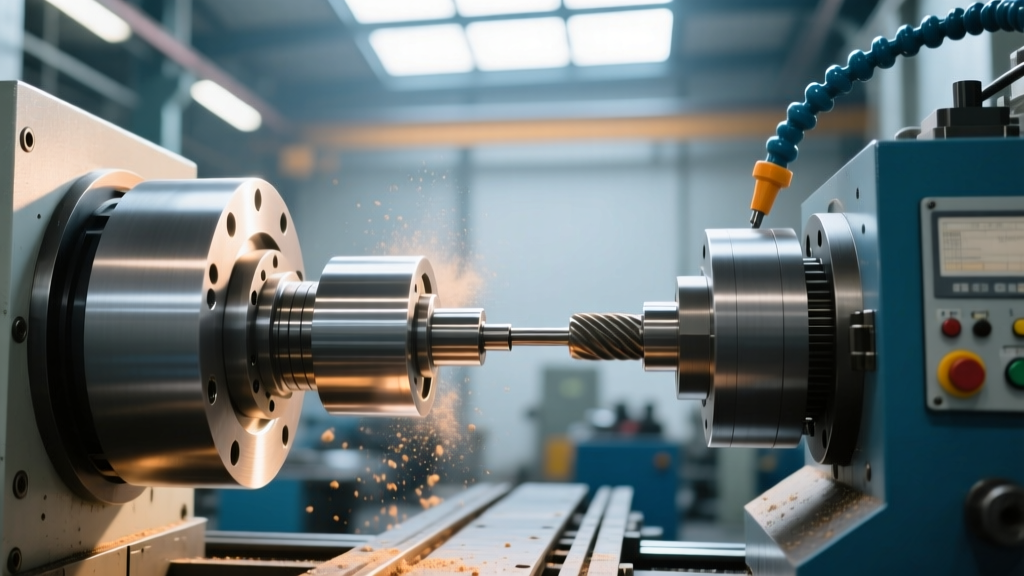
The most critical mistake buyers make in the machining metalworking sector is mismatching the spindle taper to the material removal strategy. The industry standard CAT40 toolholder relies on a 7:24 taper. While excellent for heavy roughing in steel, CAT40 suffers from radial expansion at high speeds. At 12,000 RPM, centrifugal force causes the spindle nose to grow, allowing the toolholder to pull back into the taper. This alters Z-axis depth by up to 0.0015 inches, ruining tight-tolerance aerospace profiles.
The HSK-A63 Advantage for Aluminum and Titanium
For shops committed to high-speed machining of Aluminum 6061-T6 or 7075-T6, HSK-A63 is non-negotiable. HSK utilizes a 1:10 taper with simultaneous face-and-taper clamping. This dual-contact design locks the toolholder flush against the spindle face, maintaining Z-axis stability within 0.0001 inches even at 20,000 RPM. According to tooling research published by the Society of Manufacturing Engineers (SME), HSK interfaces increase tool life by 15-20% in high-speed finishing operations due to the elimination of micro-vibrations.
Conversely, if your primary workload involves heavy interrupted cuts in Inconel 718 or Titanium Ti-6Al-4V, prioritize torque over RPM. A 12,000 RPM spindle is useless if it lacks the low-end torque to push a 1-inch carbide endmill through titanium at 150 SFM. Look for machines with a 2-speed gearbox or a high-torque vector drive that delivers peak torque at 1,500 RPM, rather than relying on a direct-drive inline spindle that peaks at 8,000 RPM.
Control Architecture: Sinumerik ONE vs. Fanuc 31i vs. NGC
The control cabinet dictates the ceiling of your shop's programming capabilities. In 2026, the divide between proprietary shop-floor controls and advanced CAD/CAM-integrated systems is stark.
- Siemens Sinumerik ONE: The undisputed benchmark for complex 5-axis machining metalworking centers. Its native 'Create MyVirtualMachine' architecture allows programmers to run a true digital twin of the exact machine kinematics on their desktop. This eliminates machine crashes during first-article prove-outs. It features advanced AI-driven thermal compensation and spline interpolation that yields superior surface finishes on mold cores.
- Fanuc 31i-B5: The workhorse for high-volume production and robotic integration. Fanuc's AI Contour Control (AICC II) looks ahead up to 200 blocks of G-code to smooth velocity transitions, preventing dwell marks on contoured surfaces. It remains the most reliable control for lights-out manufacturing environments.
- Haas NGC (Next Generation Control): Unmatched for job shops requiring rapid setup and conversational programming. The NGC interface is highly intuitive, featuring a 15-inch touchscreen and integrated probing cycles that reduce setup times by 30% compared to legacy controls. However, it lacks the deep 5-axis kinematic customization found in Siemens or Fanuc.
Hidden Costs: Coolant, Chips, and Automation Readiness
A machine's base price is merely the entry fee. Failing to budget for peripheral integration will bottleneck your production floor the moment the machine is commissioned.
High-Pressure Coolant (HPC) Systems
Standard flood coolant (300 PSI) is insufficient for modern aerospace alloys. When machining Inconel or Titanium, the material's low thermal conductivity means heat stays in the cutting zone, rapidly destroying carbide edges. A 1,000 PSI through-spindle coolant (TSC) system is mandatory. This high-pressure jet fractures the chip at the shear zone and penetrates the cutting edge, increasing tool life by up to 300% and allowing for 20% higher feed rates. Expect to pay a $6,500 to $9,000 premium for a factory-integrated 1,000 PSI system; retrofitting it later will cost double and void spindle warranties.
Chip Evacuation and Thermal Stability
In horizontal machining and deep-cavity milling, chip recutting is the primary cause of scrapped parts and broken taps. A standard hinge-belt chip conveyor ($3,500) will jam when processing stringy stainless steel or fine aluminum swarf. Specify a scraper-belt or disc-and-belt conveyor ($5,500 - $8,000) paired with an automated coolant paper-band filtration system to maintain coolant cleanliness below 20 microns, protecting your high-pressure pump and spindle unions.
Automation and Robot I/O Packages
According to the NIST Manufacturing Extension Partnership (MEP), shops that integrate collaborative robots (cobots) for machine tending see a 22% increase in spindle utilization. If you plan to integrate a FANUC CRX-25iA or Universal Robots UR20 within the next 36 months, you must order the machine with a factory-installed robot-ready I/O package ($2,500 - $4,000). This includes automatic air blast, pallet clamping pneumatics, M-code door actuators, and standardized Ethernet/IP communication protocols. Wiring these manually post-installation requires expensive PLC integrators and machine downtime.
The 2026 Buyer's Decision Framework
Before finalizing a purchase order, run your specific part program through this three-point verification matrix:
- The Kinematic Reach Test: Do not rely on catalog work-envelope dimensions. Import your largest, most complex STEP file into the OEM's simulation software. Verify that the 5-axis trunnion table does not collide with the column or tool magazine when tilted to 110 degrees with a 6-inch vise and 4-inch tool extension.
- The Torque-RPM Curve Audit: Request the exact spindle torque curve from the dealer. Match the peak torque RPM to your primary roughing toolpath. If you rough with a 3/4-inch roughing endmill in 4140 steel at 800 RPM, ensure the spindle delivers at least 150 ft-lbs of torque at that exact speed, not just at its 6,000 RPM peak.
- The Service Level Agreement (SLA) Guarantee: In 2026, machine uptime is dictated by local service density. Require a contractual guarantee of 24-hour on-site technician response and a local parts depot within 150 miles. A $30,000 savings on a machine import is instantly erased if a crashed spindle requires a 4-week wait for a technician and replacement parts from overseas.
For continuous market analysis and shop-floor optimization strategies, resources from publications like Modern Machine Shop provide ongoing data on emerging toolpath strategies and machine validation metrics. Ultimately, the right machining metalworking CNC is not the one with the highest rapid traverse rates, but the one whose spindle, control, and peripheral ecosystem perfectly align with your specific metallurgical and geometric requirements.