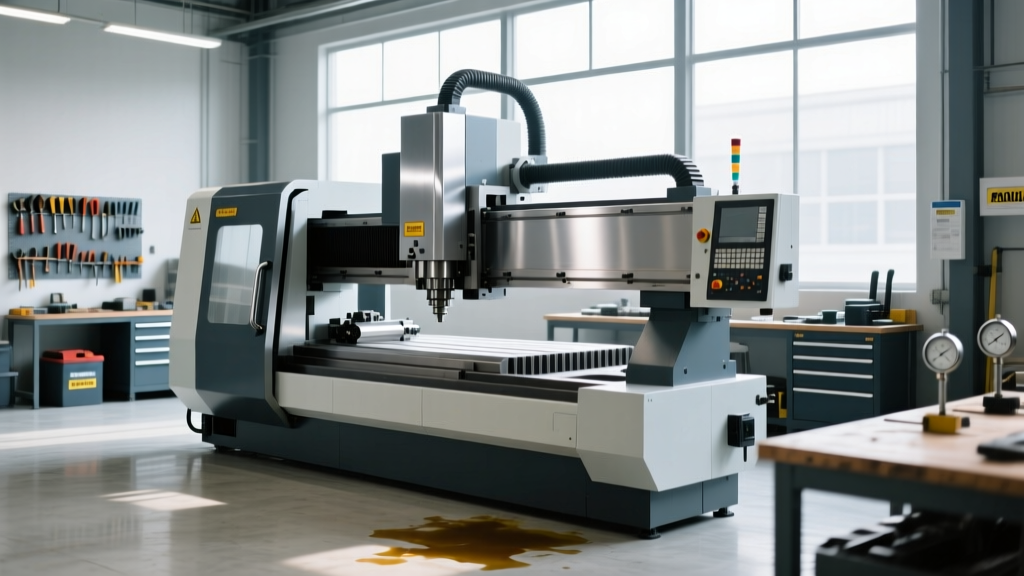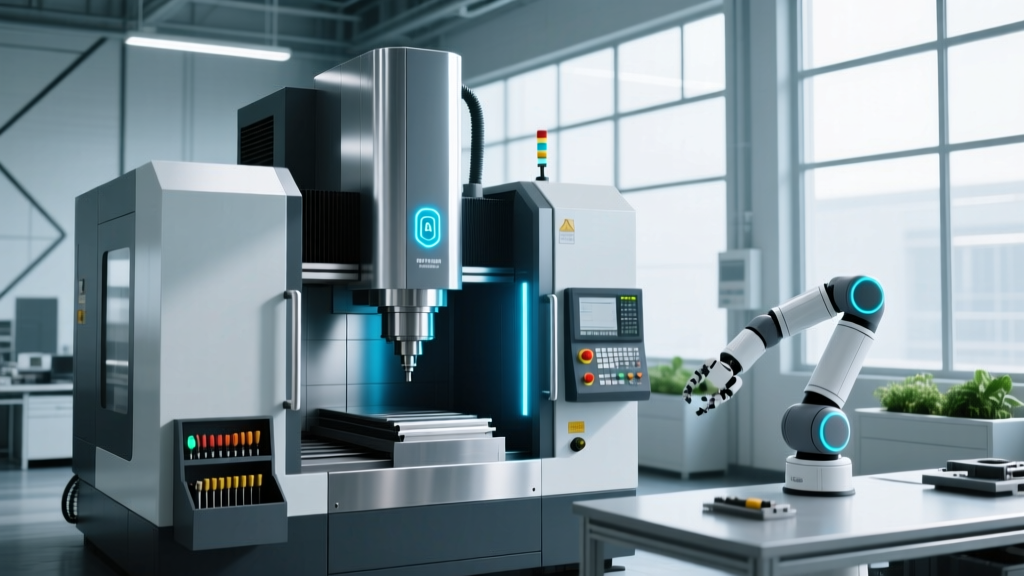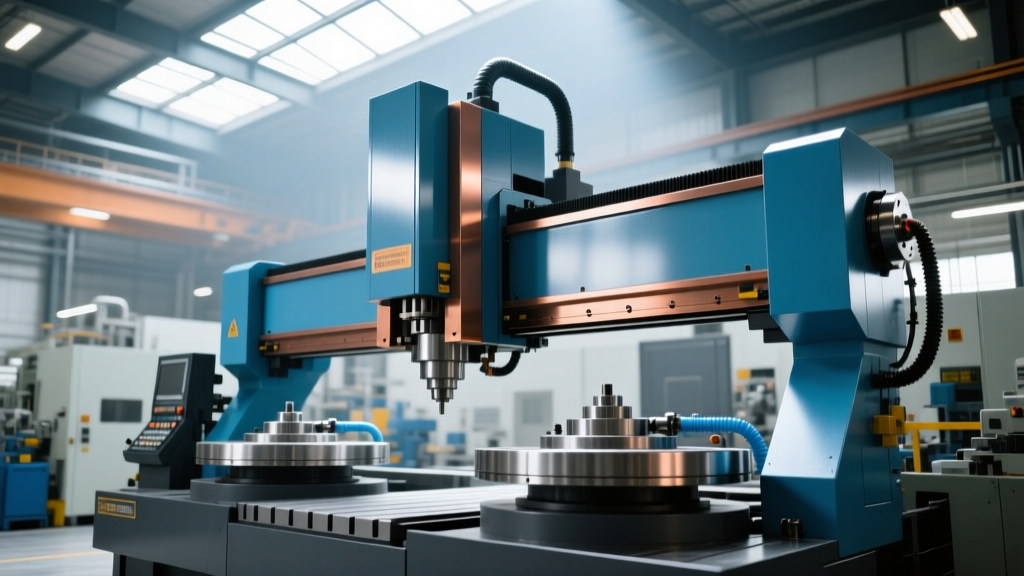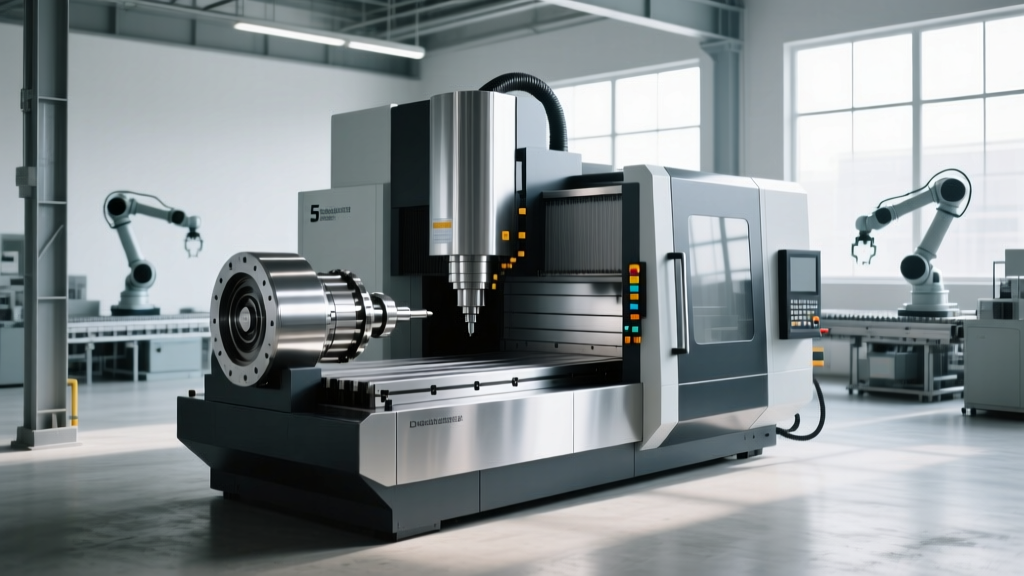
Top 5-Axis CNC Machine Manufacturers Driving 2026 Innovation
Discover how top 5-axis CNC machine manufacturers are integrating AI, direct-drive motors, and advanced thermal compensation to redefine complex milling.
Key Takeaways
- High-speed 5-axis CNC machining centres in 2026 achieve spindle speeds exceeding 30,000 RPM and rapid traverse rates above 60 m/min.
- DMG MORI, Mazak, Hermle, GF Machining Solutions, and Makino lead innovation in direct-drive torque motors, AI-assisted thermal compensation, and sub-5-micron accuracy.
- Aerospace and medical device manufacturers represent the primary buyer segment, with average machine investments ranging from $350,000 to $1.2 million depending on configuration.
- Linear motor technology and integrated in-process probing now reduce setup times by up to 40% compared to 2023-generation platforms.
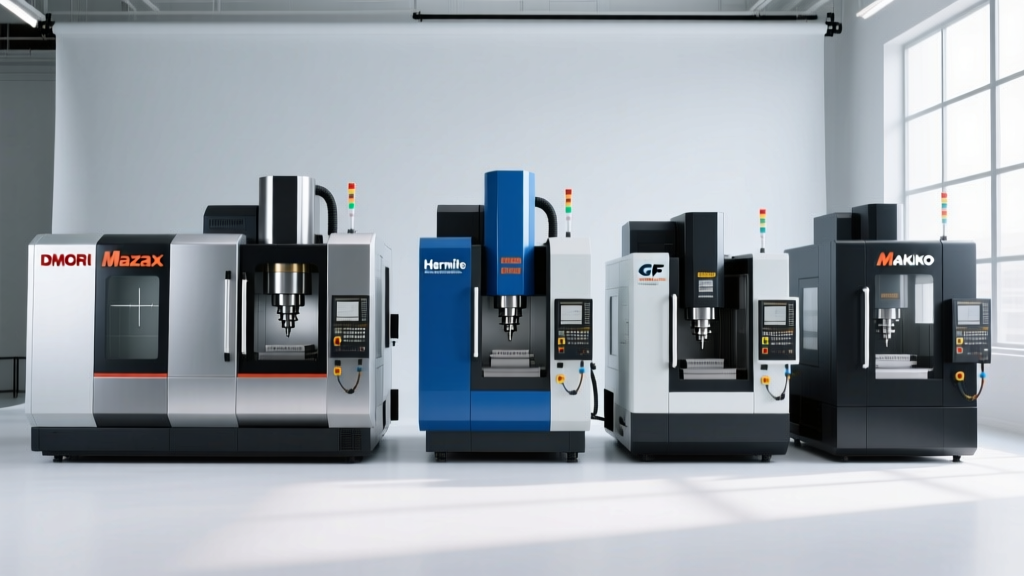
The leading high-speed 5-axis CNC machining centres in 2026 are produced by DMG MORI, Mazak, Hermle, GF Machining Solutions, and Makino. These five manufacturers define the category through spindle speeds exceeding 30,000 RPM, rapid traverse rates above 60 m/min, and volumetric accuracy held within 5 micrometres. This analysis is written for manufacturing engineers, shop floor managers, and capital equipment procurement teams evaluating 5-axis investments for aerospace, medical, and precision automotive components.
What Defines High-Speed 5-Axis CNC Machining Centres
A high-speed 5-axis CNC machining centre is a computer-numerical-controlled milling platform capable of simultaneous movement across five axes (X, Y, Z, A, B or C) while maintaining spindle speeds above 20,000 RPM and feed rates exceeding 40 m/min. The designation "high-speed" applies to both cutting velocity and axis acceleration, distinguishing these machines from standard 5-axis platforms limited to 12,000 RPM spindles.
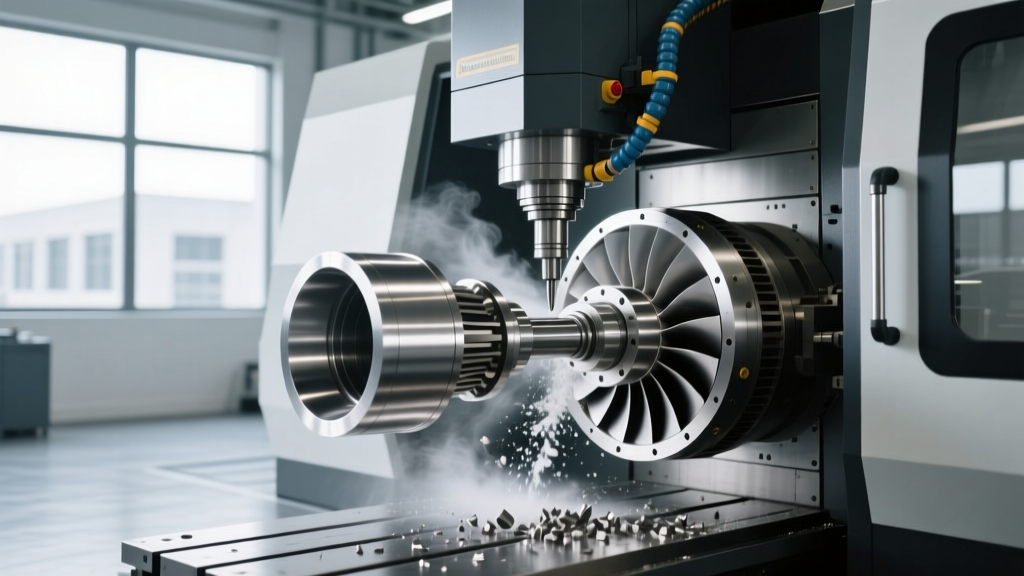
Modern high-speed 5-axis centres integrate linear motor drives on linear axes and direct-drive torque motors on rotary axes. This configuration eliminates backlash from ball screws and gearboxes, enabling contouring accuracy below 8 micrometres at full traverse speed. According to Gardner Business Media's 2025 Machine Tool Survey, 5-axis machining centre shipments grew 14% year-over-year, driven primarily by turbine blade and orthopaedic implant demand.
Top 5 Manufacturers and Their 2026 Innovations
DMG MORI
The DMG MORI DMU 50 3rd Generation anchors the company's high-speed 5-axis lineup with a 30,000 RPM HSK-A63 spindle and 60 m/min rapid traverse across all linear axes. The machine employs the company's CELOS X control platform, which integrates AI-based thermal drift compensation updated every 250 milliseconds. DMG MORI reports cycle time reductions of 22% on aluminium aerospace structural parts compared to the previous-generation DMU 50.
Mazak Corporation
Mazak's VARIAXIS i-800 NEO features a 20,000 RPM integrated spindle with SmoothAi control technology. The platform uses digital twin simulation to verify toolpaths before cutting, reducing scrap rates by an estimated 18% in titanium and Inconel applications. Mazak's MAZATROL DX software enables conversational programming directly on the shop floor, cutting CAM preparation time from 4 hours to approximately 90 minutes for standard 5-axis parts.
Hermle AG
Hermle's C 42 U MT represents the benchmark for high-precision 5-axis machining. The machine delivers a 24,000 RPM spindle with a torque drive rotary table rated to 800 kg payload. Hermle's proprietary KinematicsOpt function automatically measures and compensates for geometric errors across all five axes within 3 minutes, maintaining volumetric accuracy of 5 micrometres throughout a 16-hour production shift. Hermle's published specifications confirm repeatability of 3 micrometres on the linear axes.
GF Machining Solutions
GF Machining Solutions positions the Mikron MILL P 900 U as its flagship high-speed 5-axis platform. The machine integrates Step-Tec HVC140 spindles reaching 36,000 RPM with vibration levels below 1 micrometre at maximum speed. GF's Intelligent Thermal Control (ITC) module uses 14 embedded temperature sensors to predict and offset thermal growth, holding tolerances of 8 micrometres without warm-up cycles.
Makino
Makino's D500 5-axis vertical machining centre targets the medical and micromachining segment with a 30,000 RPM HSK-E40 spindle and 50 m/min rapids. The Pro6 control system features Super Geometry Intelligence (SGI.5), which dynamically adjusts servo parameters based on real-time cutting force feedback. Makino documents surface finish improvements from Ra 0.4 µm to Ra 0.15 µm on cobalt-chrome orthopaedic implants using this technology.
Specification Comparison Matrix
| Parameter | DMG MORI DMU 50 G3 | Mazak VARIAXIS i-800 NEO | Hermle C 42 U MT | Mikron MILL P 900 U | Makino D500 |
|---|---|---|---|---|---|
| Max Spindle Speed | 30,000 RPM | 20,000 RPM | 24,000 RPM | 36,000 RPM | 30,000 RPM |
| Rapid Traverse Rate | 60 m/min | 48 m/min | 45 m/min | 61 m/min | 50 m/min |
| Volumetric Accuracy | 8 µm | 10 µm | 5 µm | 8 µm | 6 µm |
| Table Load Capacity | 500 kg | 800 kg | 800 kg | 600 kg | 300 kg |
| Approximate Base Price (2026) | $485,000 | $520,000 | $680,000 | $590,000 | $410,000 |
Emerging Innovation Trends
AI-Driven Adaptive Machining
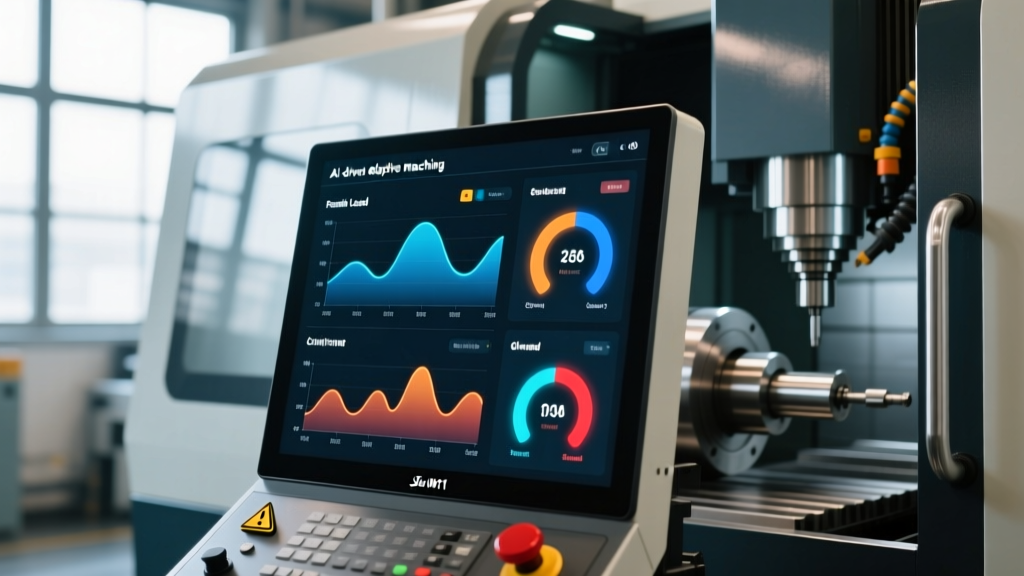
All five manufacturers now embed machine-learning algorithms that adjust feed rates and spindle loads in real time based on acoustic emission sensors and cutting force dynamometers. These systems reduce tool breakage incidents by approximately 35% and extend tool life by 15% to 25% across hardened steel and nickel-alloy applications.
Direct-Drive Torque Motor Adoption
Direct-drive torque motors on rotary axes have replaced worm-gear drives across the high-speed segment. This eliminates mechanical backlash entirely and enables rotary axis positioning accuracy of 4 arc-seconds. The transition adds approximately $25,000 to machine cost but reduces maintenance intervals from 2,000 operating hours to 8,000 operating hours.
Integrated In-Process Measurement
Touch probe systems from Renishaw and Blum-Novotest are now factory-integrated into high-speed 5-axis platforms. In-process probing reduces manual inspection steps by 40% and enables closed-loop machining where workpiece deviations trigger automatic offset corrections without operator intervention.
Buyer Decision Framework
5-Axis CNC Machining Centre Selection Checklist
- Define part envelope: Measure maximum workpiece dimensions and weight. Select table load capacity with a 20% safety margin above heaviest part.
- Specify tolerance requirements: If volumetric accuracy below 8 µm is required, prioritise Hermle or Makino. For 8–12 µm tolerance bands, DMG MORI and GF Machining Solutions offer strong value.
- Match spindle speed to material: Aluminium and composites benefit from 30,000+ RPM spindles. Titanium and hardened steel perform optimally between 12,000 and 20,000 RPM with higher torque ratings.
- Evaluate automation readiness: Confirm pallet changer compatibility, robot interface availability, and OPC-UA connectivity for integration with existing MES systems.
- Calculate total cost of ownership: Factor in annual service contracts ($15,000–$30,000), spindle replacement reserves ($40,000–$60,000 at 8,000–12,000 hours), and energy consumption (18–28 kW average draw).
Frequently Asked Questions
What spindle speed qualifies a machine as a high-speed 5-axis CNC machining centre?
Industry consensus defines high-speed 5-axis CNC machining centres as platforms with spindle speeds exceeding 20,000 RPM and linear axis rapid traverse rates above 40 m/min. Machines operating between 12,000 and 20,000 RPM fall into the standard-speed category unless they compensate with exceptional acceleration rates above 1.5 G on linear axes.
Which industries benefit most from high-speed 5-axis CNC machining centres?
Aerospace turbine component manufacturers, medical device producers fabricating orthopaedic implants, and automotive motorsport teams represent the three highest-value application segments. These industries require simultaneous 5-axis contouring of complex geometries in difficult-to-machine materials where cycle time reduction directly impacts unit economics.
How much does a high-speed 5-axis CNC machining centre cost in 2026?
Base machine prices range from $350,000 for entry-level configurations such as the Makino D500 to over $900,000 for fully equipped platforms like the Hermle C 42 U MT with integrated pallet changers and probing systems. Total investment including tooling, fixturing, CAM software, and installation typically adds 25% to 35% above the base machine price.
What is the expected ROI timeline for a high-speed 5-axis CNC machining centre?
Shops running two shifts per day with 65% or higher spindle utilisation typically achieve return on investment within 18 to 30 months. The primary value drivers are reduced setup time from 5-axis single-setup machining, elimination of secondary operations, and cycle time reductions of 30% to 50% compared to 3-axis platforms.
Conclusion and Next Steps
The high-speed 5-axis CNC machining centre market in 2026 is defined by DMG MORI, Mazak, Hermle, GF Machining Solutions, and Makino, each offering distinct advantages depending on accuracy requirements, material focus, and automation goals. Hermle leads in volumetric precision at 5 µm, GF Machining Solutions delivers the highest spindle speed at 36,000 RPM, and Makino provides the most accessible entry point at approximately $410,000.
Your next step should be to request machine cut samples from your top two candidates using your actual production material and geometry. Evaluate cycle time, surface finish, and dimensional accuracy against your print specifications before committing to a purchase order. Contact your regional distributor to schedule a paid cut test, which typically costs between $2,000 and $5,000 but eliminates the risk of a misapplied capital investment.