Heavy Equipment Mover Thurman: Pipeline Construction Budget Guide
Analyze 2026 heavy equipment mover Thurman costs for pipeline and utility construction. Compare skate, roller, and rigging budgets for fleet planning.
Key Takeaways
- Baseline Thurman heavy equipment transporter costs range from $14,500 to $28,000 per standard pipeline spread move.
- Oversize load escort and permitting add approximately 18% to the total pipeline machinery moving budget.
- Mobilization requires a standard 14 to 21 days lead time for multi-state route approvals.
Hiring a heavy equipment mover Thurman for pipeline construction typically costs between $14,500 and $28,000 per standard pipeline spread relocation in 2026, depending on axle configurations and state permitting requirements. For pipeline project managers and construction estimators planning midstream infrastructure budgets, understanding these baseline logistics costs is critical for accurate financial forecasting. This guide breaks down the exact pricing structures, variable surcharges, and regulatory fees associated with heavy haul rigging rates for pipeline spreads.
Baseline Costs for Thurman Heavy Equipment Transport
Thurman Machinery Movers structures its pricing around gross vehicle weight and dimensional footprint. Moving a standard 120,000 pounds excavator or sideboom requires specialized multi-axle lowboy trailers. The base freight rate averages $4.25 per mile for these specialized configurations.
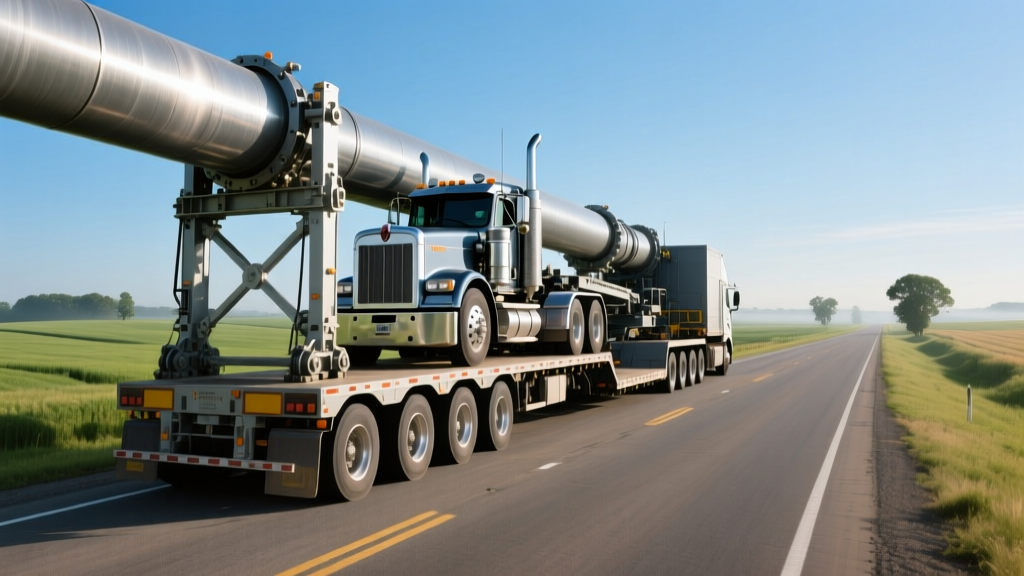
When calculating Thurman heavy equipment transporter costs, estimators must account for loading and unloading labor. Rigging crews typically charge $185 per hour per technician. A standard pipeline spread move requires a four-person crew operating for roughly six hours, adding $4,440 in direct labor costs to the invoice.
Defining Heavy Haul Permitting
Heavy Haul Permitting is the regulatory process of securing state and local authorization to transport oversized or overweight cargo on public roadways. This involves route surveys, bridge weight analyses, and paying jurisdictional fees to ensure pipeline machinery transit complies with 2026 Department of Transportation infrastructure protection mandates.
Pipeline Machinery Moving Budget Variables
The total pipeline machinery moving budget fluctuates based on route complexity and seasonal weather restrictions. Spring thaw weight restrictions in northern states can force transporters to use additional axles, increasing equipment rental fees by up to 22%.
Escort vehicles are mandatory when cargo exceeds 8.5 feet in width. According to the Federal Highway Administration, multi-state oversize loads often require both front and rear pilot cars. These escort services cost $1.85 per mile, significantly impacting long-distance pipeline logistics.
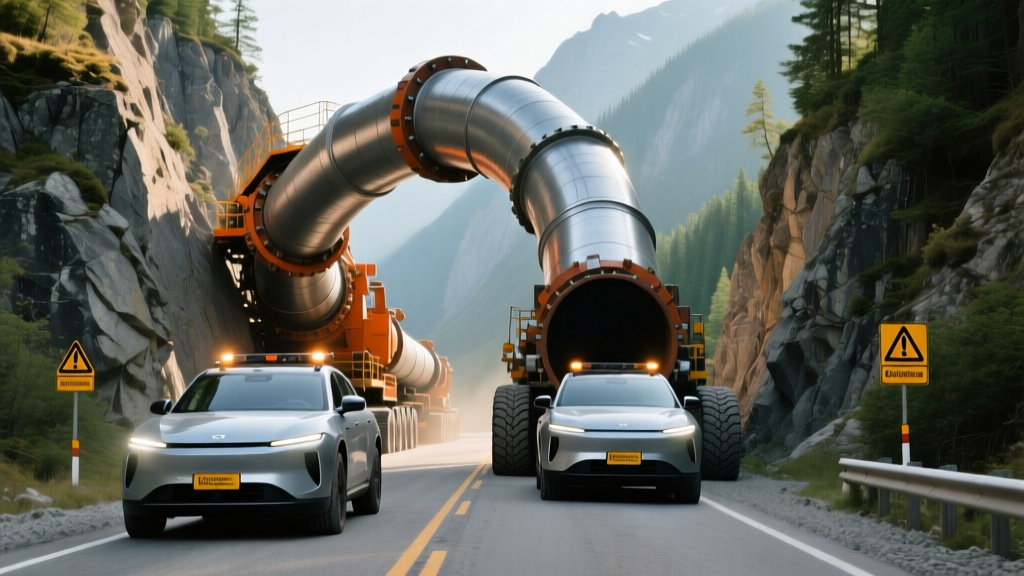
Fuel surcharges represent another critical variable. Transporters adjust these fees weekly based on the national diesel index. In early 2026, the standard fuel surcharge hovers around 34% of the base line-haul rate, directly tied to the U.S. Energy Information Administration weekly diesel pricing reports.
Equipment-Specific Transport Requirements
Different pipeline assets demand unique transport configurations, directly influencing the final invoice. Moving a standard sideboom tractor requires a 13-axle configuration to distribute the 120,000 pounds gross vehicle weight across public roadways. This specialized trailer setup increases the base freight rate by approximately 18% compared to standard lowboy transports.
Conversely, transporting automated welding rigs involves managing extreme length rather than extreme weight. These units often exceed 65 feet, triggering specialized turning radius surveys. According to the Pipeline and Hazardous Materials Safety Administration, maintaining right-of-way access for these elongated loads requires meticulous coordination with local municipal authorities to avoid damaging underground utility intersections.
Hydrostatic testing pumps represent another unique logistical challenge. While relatively compact, their dense weight footprint requires specialized 8-axle hydraulic tail trailers for loading. Estimators must allocate an additional $1,200 per day for these specific hydraulic tail trailer rentals when calculating the overall budget.
Thurman Heavy Mover Budget Checklist
Use this decision framework to ensure all logistical expenses are captured in your preliminary pipeline construction estimate.
| Budget Category | Estimated Cost Range | Trigger Condition |
|---|---|---|
| Base Line-Haul Freight | $4.25 - $6.50 per mile | All moves exceeding 50 miles |
| Rigging and Crane Labor | $4,000 - $8,500 per load | Loads requiring mechanical lifting |
| Oversize Permits | $450 - $1,200 per state | Cargo exceeding 80,000 pounds or 8.5 feet wide |
| Pilot Escort Vehicles | $1.85 - $2.50 per mile | Widths over 12 feet or specific state mandates |
| Standby / Detention Fees | $125 per hour | Delays exceeding 2 hours at load/unload sites |
Frequently Asked Questions
How far in advance should I book a heavy equipment mover Thurman?
Pipeline project managers should secure transport contracts 14 to 21 days before the scheduled mobilization date. This timeframe allows Thurman Machinery Movers to secure multi-state oversize permits and conduct necessary bridge route surveys without incurring expedited processing fees.
What are the heavy haul rigging rates for pipeline spreads during winter?
Winter mobilization often incurs a 10% to 15% premium due to icy road conditions and reduced daylight hours. Transporters may also require specialized tire chains or tracked trailers, which add fixed equipment rental fees to the overall invoice.
Does the pipeline machinery moving budget include insurance?
Standard carrier liability covers $100,000 in cargo damage. For high-value pipeline assets like automated welding rigs or large-diameter bending machines, procurement officers must purchase supplemental transit insurance, typically costing $0.45 per $1,000 of declared equipment value.
Finalizing Your Pipeline Logistics Strategy
Accurately forecasting heavy haul rigging rates for pipeline spreads prevents mid-project budget overruns and keeps right-of-way construction on schedule. By accounting for base freight, permit fees, and escort requirements, estimators can build resilient financial models. To finalize your logistics plan, submit your specific equipment dimensions and origin-destination zip codes to the Thurman dispatch office for a binding 2026 project quote.