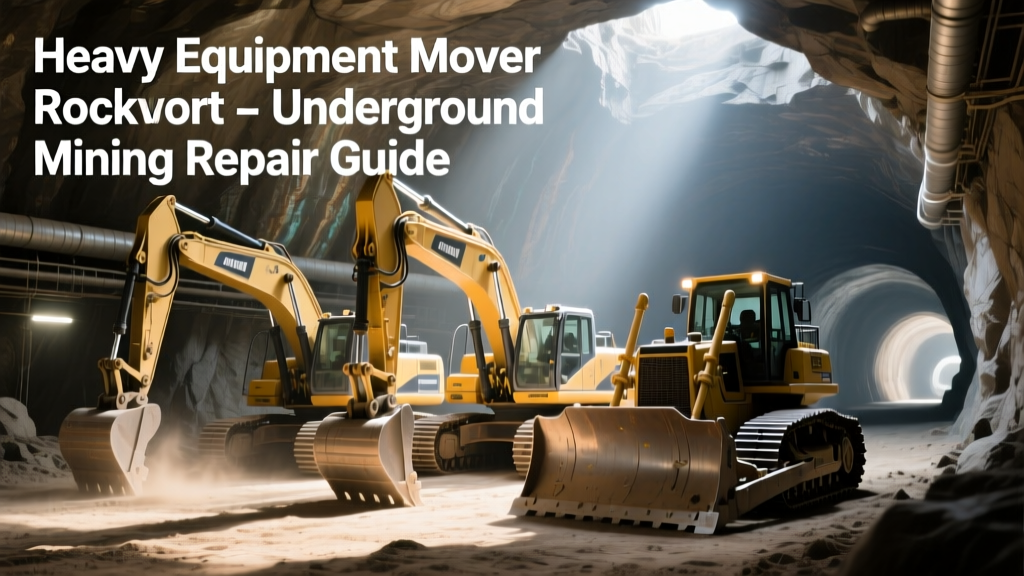
Heavy Equipment Mover Rockhurst: Underground Mining Repair Guide
Troubleshoot heavy equipment mover Rockhurst skates and jacks for underground mining repair. Learn LHD extraction, hydraulic fixes, and load safety.
Sub-Surface Rigging Constraints and the Rockhurst Advantage
When a 45-ton Sandvik LH517 Load-Haul-Dump (LHD) loader suffers a seized articulation joint in a 4.5-meter-wide drift, standard surface-level rigging fails. Subterranean environments severely restrict overhead crane access, forcing maintenance crews to rely on floor-level translation. Deploying a heavy equipment mover Rockhurst configuration—utilizing their 50-ton capacity polyurethane-wheeled skates and hydraulic toe jacks—allows crews to safely extract disabled loaders to designated crosscut repair bays.
Underground mining equipment types, from Epiroc underground loaders to hydraulic drill jumbos, present unique weight distributions and extreme ground-clearance challenges. Selecting the correct heavy equipment mover Rockhurst model requires matching the skate's load rating to the specific mining machine's axle distribution, while accounting for the abrasive nature of muck and the strict incline limits of subterranean ramps.
CRITICAL SAFETY WARNING: Never exceed a 3-degree longitudinal incline when translating loaded Rockhurst skates. A 45-ton load on a 4-degree grade generates over 3.1 tons of lateral rollback force. This will sheer the standard 1.5-inch directional locking pins on most heavy-duty skates, resulting in catastrophic load drops. Always use secondary winch anchoring on any ramp exceeding 1.5 degrees.Troubleshooting Matrix: Rockhurst Mover Failures in Mine Conditions
The subterranean environment is hostile to precision rigging tools. Silica dust, high humidity, and abrasive ore particulates accelerate wear on moving components. Below is a diagnostic matrix for common failures encountered when using Rockhurst skates and jacks in active mining zones.
| Symptom | Component | Root Cause | Repair Action & 2026 Cost |
|---|---|---|---|
| Skate wheels lock up under load | Polyurethane Rollers | Muck and ore fines embed in the wheel bearings, causing seizing. | Flush bearings with solvent; repack with Mobilgrease XHP 461. Replace wheels if flat-spotted ($650-$820/wheel). |
| Toe jack cylinder drifts downward | Hydraulic Check Valve | Silica dust scores the internal check valve seat, preventing a seal. | Disassemble pump base, lap the valve seat with 400-grit compound, or replace the valve assembly ($145). |
| Directional steering bar slips | Steering Lock Pin | Pin deformation from lateral side-loading during tight crosscut turns. | Machine a new pin from 4140 chromoly steel; do not use standard mild steel replacements ($40 material cost). |
| Hydraulic pump handle spongy | Pump Reservoir | Air entrainment due to low fluid or cavitation from cold, viscous oil. | Bleed system via the release valve; top up with ISO 32 hydraulic fluid. Ensure fluid temp is above 50°F before heavy lifting. |
Step-by-Step Extraction: Pulling a Seized LHD Loader
Extracting a dead LHD requires precise load balancing. The front axle of a fully rigged loader often carries 60% of the machine's total weight. Follow this procedure to rig a heavy equipment mover Rockhurst skate system safely.
- Secure the Articulation: Before lifting, install the mechanical articulation lock bar on the LHD. If the machine's native lock is damaged, use heavy-duty chain binders to lock the front and rear frames in a straight line. A shifting frame will instantly derail the skates.
- Position the Toe Jacks: Place two 50-ton Rockhurst hydraulic toe jacks under the reinforced lifting eyes on the loader's rear chassis. Ensure the jack base plates sit on 1-inch thick steel distribution mats to prevent sinking into soft muck or crushed rock.
- Deploy the Skates: Pump the jacks to achieve 4 inches of clearance. Slide the Rockhurst heavy-duty skates under the rear axle differential housing and the front bucket linkage. Lower the load slowly, ensuring the skate's top plate sits flush against the machine's flat steel surfaces.
- Attach the Tow Rigging: Connect a 3/4-inch wire rope sling to the front tow eye. Use a secondary MSHA-compliant tagline attached to the rear to control swing radius during the pull.
- Execute the Pull: Use a mine-rated tugger winch or a secondary service vehicle. Maintain a pull speed of no more than 2 feet per minute. Monitor the skate wheels continuously for debris buildup.
Hydraulic System Diagnostics for Rockhurst Toe Jacks
The hydraulic toe jack is the most failure-prone component in the heavy equipment mover Rockhurst ecosystem when used underground. Unlike surface environments, underground drifts contain atomized drilling water mixed with hydraulic oil and rock dust, creating a highly contaminated operating surface.
Field Insight: If a Rockhurst toe jack fails to reach its maximum 12,000 psi operating pressure, do not immediately assume the primary cylinder seal is blown. In 70% of underground cases, the issue is a clogged micro-filter in the pump's suction line, starved by heavy particulate ingress. Always check the suction screen before ordering a $250 seal kit.
Identifying Seal Blowouts vs. Valve Bypass
When the jack creeps down under load, technicians must differentiate between a failed cylinder seal and a bypassing check valve. Pump the jack to full height and apply a 20-ton load. If hydraulic fluid is visibly weeping from the cylinder collar, the primary U-cup seal is compromised. If the cylinder is dry but the jack still drops, the internal check valve is contaminated or the relief valve spring has fatigued. Rebuilding a valve requires a clean-room environment; never attempt to open the hydraulic reservoir in an active drift. Cap the lines and transport the jack to the surface workshop.
Preventative Maintenance Schedule for Subterranean Rigging
To maintain operational readiness, heavy equipment mover Rockhurst tools must adhere to a strict maintenance cadence dictated by the harsh mining environment. Standard surface-level maintenance intervals are insufficient for underground deployment.
- Post-Shift (Daily): Pressure wash all skate wheel assemblies with high-temperature water to remove packed muck. Inspect polyurethane wheels for chunking or flat spots. A 10% reduction in wheel diameter alters the load distribution and increases rolling resistance by up to 18%.
- Bi-Weekly: Grease all skate pivot points and steering linkages using a molybdenum disulfide (MoS2) fortified grease. MoS2 provides a solid lubricant film that survives even if the primary grease base is washed away by underground drilling water.
- Quarterly: Perform a load test on all hydraulic toe jacks at 110% of their rated capacity. Inspect the hydraulic hoses for micro-abrasions caused by dragging across sharp ore. Replace any hose showing exposed wire braid immediately.
- Annually: Completely flush and replace the hydraulic fluid in all jacks. Disassemble the wheel axles, inspect the needle bearings for brinelling (indentations caused by shock loads), and replace bearings showing any signs of spalling.
Proper maintenance of your rigging gear is not just about equipment longevity; it is a critical safety requirement. A failed skate under a 45-ton loader in a confined drift can result in fatal crushing incidents. By understanding the specific failure modes of subterranean rigging and adhering to rigorous diagnostic protocols, maintenance crews can ensure safe, efficient extraction of disabled mining machinery.