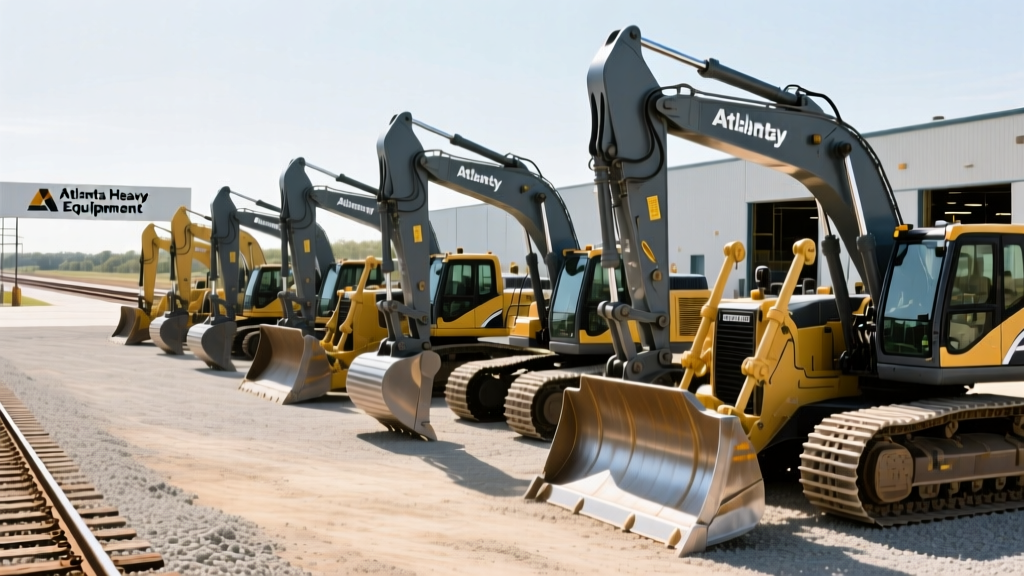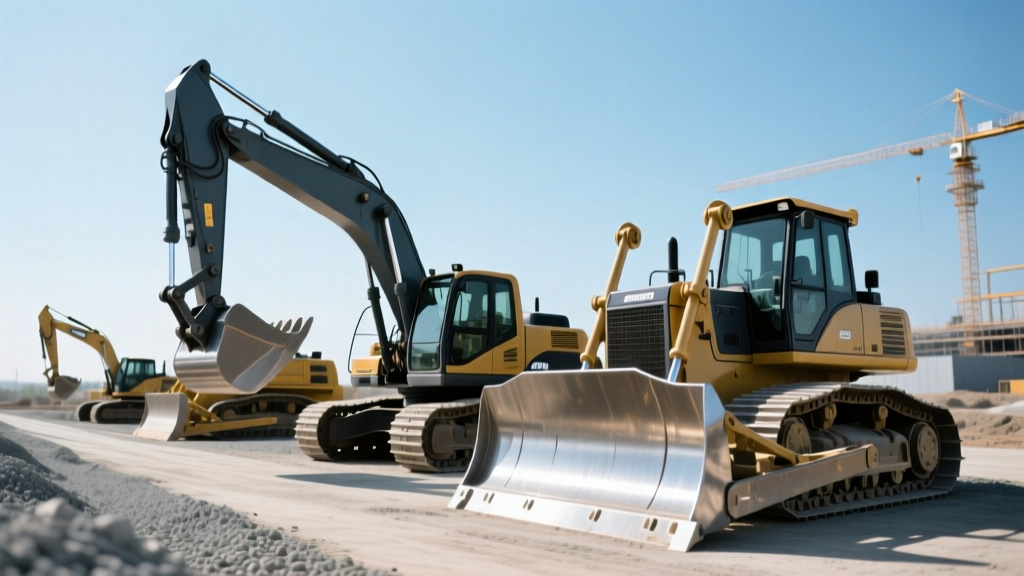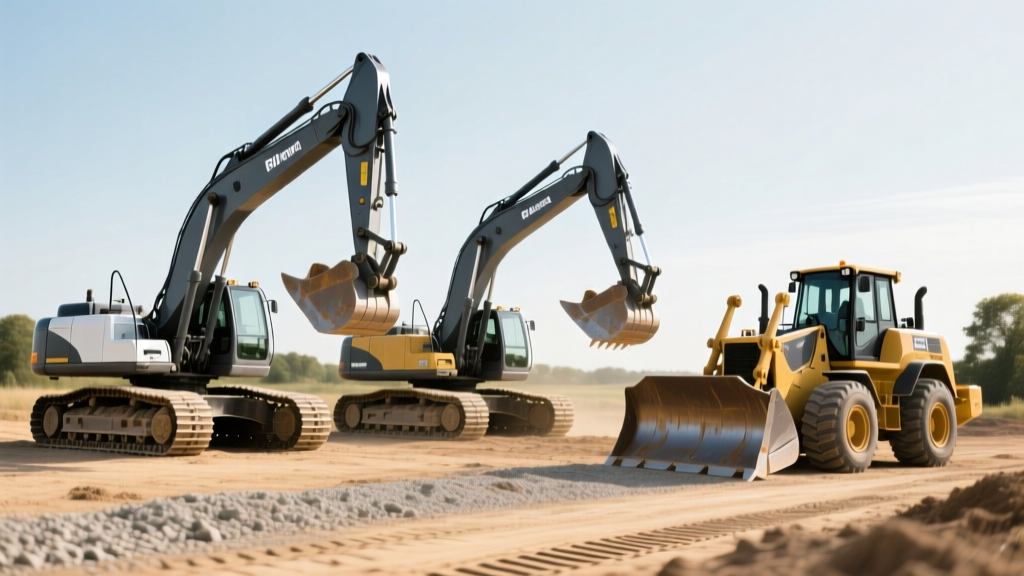
Road Equipment Classification: How to Clear Land Without Heavy Equipment
Master road construction equipment classification, operator training, and right-of-way prep, including how to clear land without heavy equipment.
The Right-of-Way Dilemma: Heavy Iron vs. Manual Techniques
Road construction is a highly sequenced operation that demands precise equipment deployment. Before a Class A motor grader or a commercial asphalt paver can enter a corridor, site preparation crews must establish the right-of-way (ROW). However, modern infrastructure projects frequently intersect with environmentally sensitive zones, steep riparian buffers, or tight urban corridors. In these scenarios, site supervisors must understand how to clear land without heavy equipment to prevent soil compaction, protect root systems, and avoid severe hydrological disruption before the heavy grading fleet arrives.
Understanding road construction equipment classification is not just about knowing which machine moves dirt; it is about knowing which machine to exclude during the critical first phase of a build. This guide breaks down the classification matrix for heavy road-building machinery and details the best practices for manual and light-mechanical ROW clearing.
Operator Insight: Deploying a 45,000-lb dozer into a wetland buffer zone without prior manual clearing can result in rutting that triggers EPA mitigation fines exceeding $15,000 per incident. Phasing your equipment classification from manual to heavy is a financial and regulatory necessity.Road Construction Equipment Classification Matrix
Heavy road construction equipment is broadly classified into four operational categories. Operator training and certification requirements scale with the complexity and ground-pressure footprint of the machinery.
| Classification | Primary Function | Standard Model Example | Operator Cert Requirement |
|---|---|---|---|
| Earthmoving | Bulk material relocation, rough grading | Caterpillar D6 XE Dozer | OSHA 1926.602 / NCCCO |
| Grading | Subgrade precision shaping, slope control | John Deere 872GP Grader | Topcon 3D-MC2 GPS Training |
| Paving | Asphalt/concrete mat placement | Volvo PF7110B Paver | State DOT Paving Cert |
| Compaction | Density achievement, void reduction | Bomag BW 161 AC-5 Roller | Nuclear Gauge / PQI Cert |
Phase 1: Pre-Clearing and How to Clear Land Without Heavy Equipment
When managing sensitive ROW zones, the objective is to remove biomass and obstructions without altering the subgrade's natural load-bearing capacity or disrupting the topsoil layer. Learning how to clear land without heavy equipment requires a shift from high-horsepower pushing to precision cutting and extraction.
Manual and Light-Mechanical Clearing Methods
- Directional Felling with Chainsaws: Using high-displacement saws like the Stihl MS 500i (79.2 cc, electronically fuel-injected), crews can fell trees directionally to create natural 'bridges' over wet areas, allowing subsequent light machinery to cross without sinking.
- Brush Saw Clearing: For dense underbrush, backpack brush cutters like the Husqvarna 525FBX allow operators to navigate steep embankments (up to 35-degree slopes) where a skid-steer mulcher would risk rollover.
- Manual Winch Extraction: Instead of dragging stumps with a dozer blade (which tears the topsoil), crews use portable capstan winches (e.g., PCW5000) anchored to adjacent hardwoods to extract stumps vertically, minimizing the footprint of soil disturbance.
- Chemical/Biological Brush Control: In highly restricted riparian zones, applying targeted aquatic-safe herbicides (like Rodeo) to cut stumps prevents regrowth without the soil compaction caused by mechanical grubbing.
Phase 2: Earthmoving and Grading Operator Best Practices
Once the ROW is cleared and silt fences are established, the heavy earthmoving and grading classifications enter the site. Operator training here focuses heavily on GPS integration and material conservation.
Motor Grader Blade Control and Cross-Slope Management
The motor grader is the most technically demanding machine in the road construction classification matrix. Operators must maintain a precise cross-slope—typically 2% (1/4 inch per foot) for standard highway drainage.
- GPS Integration: Modern grading relies on 3D machine control. Operators using the Topcon 3D-MC2 system must understand how to manage blade pitch and moldboard sideshift without overriding the automated lift cylinders.
- Tire Pressure Calibration: Grader operators must maintain rear tire pressures between 35-40 PSI. Over-inflation reduces the machine's traction and causes the rear frame to bounce, creating washboard effects in the subgrade that require additional passes to fix.
- Windrow Management: When cutting high spots, operators should use a 'feathering' technique, rolling the moldboard slightly to prevent heavy windrows from spilling over the blade's end-bits, which wastes fuel and time on re-handling material.
Phase 3: Paving and Compaction Sequencing
The final classification involves thermal and density management. Asphalt paving is a time-sensitive chemical and physical process. The operator's primary metric is achieving 93% to 96% theoretical maximum specific gravity (Gmm) density before the mat cools below 175°F.
The Three-Pass Compaction Sequence
Compaction operators must follow a strict sequence to lock in the aggregate structure without causing checking (surface cracks) or pushing the mat.
- Breakdown Rolling: Performed immediately behind the paver screed while the mat is between 275°F and 290°F. Operators use a vibratory steel-wheel roller (e.g., Bomag BW 161) in high-amplitude mode to achieve 85% of the target density.
- Intermediate Rolling: Conducted as the mat cools to 200°F-250°F. Pneumatic-tired rollers are often used here to knead the surface, sealing voids and improving impermeability.
- Finish Rolling: Executed when the mat drops below 185°F. Operators use a static steel-wheel roller with the vibration turned off to remove any roller marks and ensure a smooth riding surface.
Operator Training Frameworks and Safety Certifications
Operating heavy road construction equipment requires adherence to stringent federal and state safety frameworks. The transition from manual clearing to heavy grading introduces severe blind-spot and rollover hazards.
According to the OSHA 1926.602 Earthmoving Equipment Standards, all operators of heavy grading and compaction machinery must undergo documented training specific to the machine's make and model, including daily walk-around inspections focusing on articulation pins, hydraulic hose routing, and ROPS (Roll-Over Protective Structures) integrity.
For crane-assisted material handling on bridge and overpass road projects, operators must secure credentials through recognized bodies like the National Commission for the Certification of Crane Operators (NCCCO). Furthermore, the Federal Highway Administration (FHWA) provides extensive guidelines on work zone safety, emphasizing the use of proximity detection systems and backup alarms on all classified earthmoving equipment operating near manual clearing crews.
"The mark of a master road-building foreman is not just knowing how to run a 300-horsepower grader, but knowing exactly when to shut it off, step out, and pick up a chainsaw to protect the subgrade's integrity. Equipment classification is about applying the right footprint to the right soil."
Summary: Sequencing the Build
Successful road construction relies on a disciplined transition from low-impact, manual clearing techniques to high-production heavy machinery. By mastering how to clear land without heavy equipment in sensitive zones, and subsequently deploying classified earthmoving, grading, and paving assets with GPS-aided precision, contractors can deliver infrastructure that meets rigorous DOT density and slope specifications while maintaining environmental compliance.