Oregon Heavy Equipment Trader: Earthmoving Repair & Inspection Guide
Expert troubleshooting for earthmoving gear. Learn inspection tips, repair costs, and diagnostics from an Oregon heavy equipment trader perspective.
The Pacific Northwest Toll: Why Regional Earthmoving Gear Needs Specialized Inspection
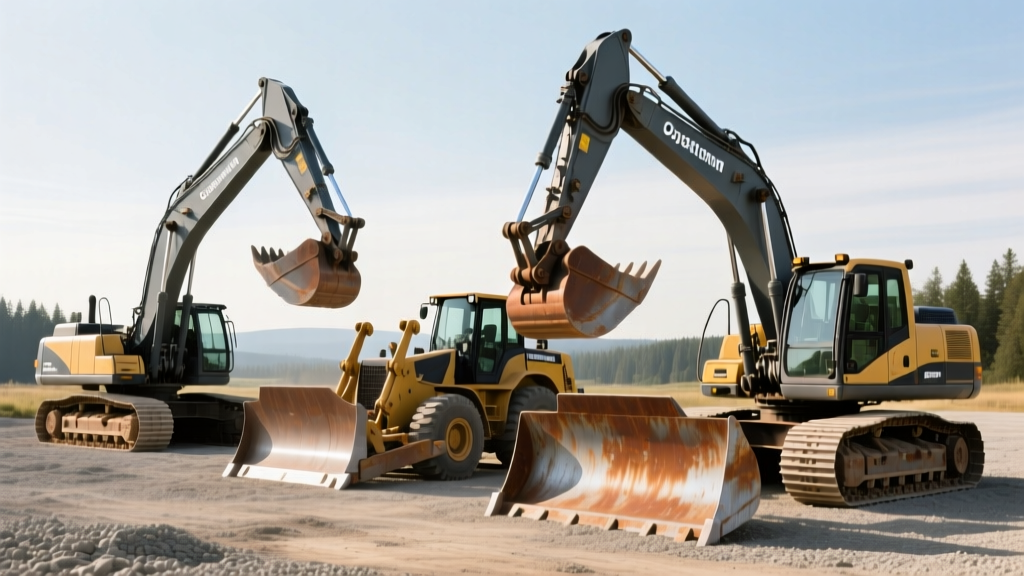
When searching for a heavy equipment trader, Oregon buyers must account for the region's punishing environmental factors. The Pacific Northwest presents a unique triad of equipment destroyers: abrasive Columbia River basalt, high-moisture Willamette Valley clay, and relentless seasonal rainfall. Earthmoving equipment deployed in Oregon logging roads, quarry sites, and trenching operations experiences accelerated wear patterns that differ vastly from machines operating in the dry, sandy soils of the Southwest.
Understanding these regional failure modes is critical for troubleshooting and repairing used earthmoving machinery. This guide breaks down the specific diagnostic procedures, repair costs, and maintenance frameworks for the three primary earthmoving categories—excavators, crawler dozers, and wheel loaders—based on field data from Pacific Northwest job sites.
Warning: Volcanic Ash and Pumice AbrasionMachines sourced from Central Oregon quarry sites (e.g., near Bend or Redmond) often feature severe undercarriage and bucket wear due to highly abrasive pumice and volcanic ash. Always inspect the cutting edges and track link bushings for accelerated, uneven wear profiles before purchasing.
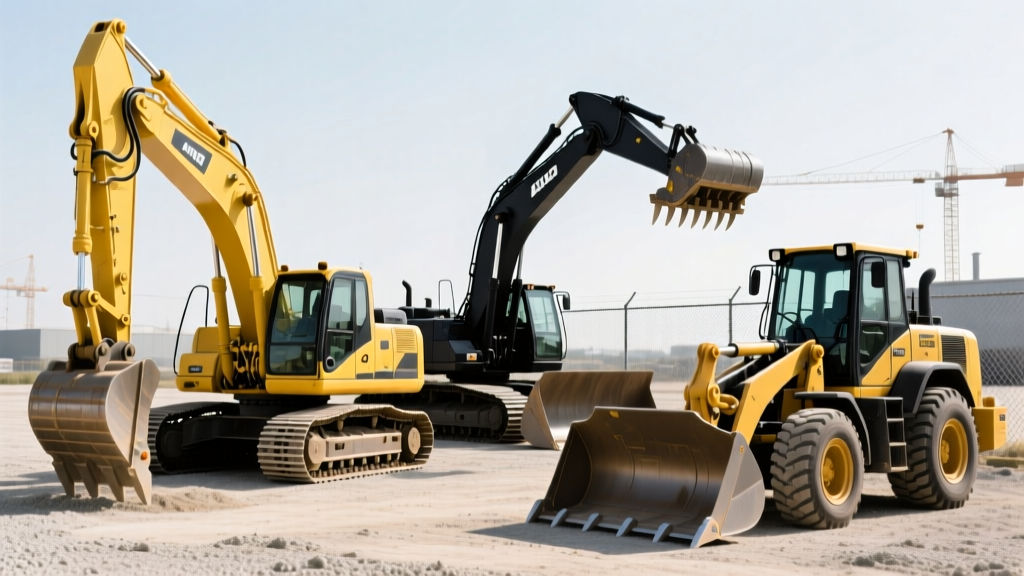
Excavators (Cat 320 GC, Komatsu PC200LC-11): Hydraulic & Undercarriage Diagnostics
Excavators are the backbone of Oregon trenching and site prep. However, the constant exposure to wet, acidic topsoil and hard basalt bedrock places immense stress on hydraulic cylinders and track chains. According to NIOSH Heavy Equipment Safety Guidelines, poor maintenance of these systems not only leads to catastrophic downtime but poses severe safety risks during lifting and trenching operations.
The 5-Minute Hydraulic Drift Test
Hydraulic cylinder scoring is common when machines operate in muddy, debris-heavy environments where rod wipers fail to keep abrasive grit out of the cylinder seals. To troubleshoot internal bypass or seal failure, perform this standardized drift test on a Cat 320 or similar 20-ton class machine:
- Position the excavator on a level surface with the bucket fully extended and raised 3 feet off the ground.
- Shut off the engine and relieve hydraulic tank pressure by cycling the joysticks.
- Measure the distance from the bucket cutting edge to the ground using a laser measure or rigid tape.
- Wait exactly 5 minutes and remeasure.
- Acceptable Tolerance: Maximum 15mm (0.6 inches) of drop. Anything exceeding 25mm indicates blown piston seals or a leaking main control valve spool.
Common Excavator Fault Codes & Repair Costs (2026 Market Rates)
| Symptom / Code | Root Cause (PNW Context) | Est. Repair Cost |
|---|---|---|
| Boom drift / Low power | Scored cylinder rods from failed wiper seals in wet clay | $2,800 - $4,500 per cylinder |
| Track motor overheating | Packed clay in final drive housing causing seal blowout | $1,200 - $1,800 (repacking & seals) |
| Slew ring grinding noise | Grease washout from high-pressure logging site washing | $8,000+ (requires turntable rebuild) |
Crawler Dozers (John Deere 850L, Cat D6): Drivetrain & Track Tension Troubleshooting
Crawler dozers working in Oregon's coastal ranges and valley floors face severe undercarriage degradation. The heavy, cohesive clay found in the Willamette Valley acts like cement inside the track chain, freezing idlers and causing premature sprocket wear.
Diagnosing Track Packing and Tension Failures
Improper track tension is the leading cause of undercarriage failure in wet environments. Over-tensioned tracks in muddy conditions will snap master links or strip final drive sprockets, while loose tracks will de-track on steep, logged slopes.
Pro-Tip: The Sag Measurement MethodJack up one side of the dozer so the track is completely off the ground. Rotate the track forward two full revolutions to clear debris from the tensioning cylinder. Measure the vertical sag between the front idler and the front track roller. In heavy clay conditions, maintain a sag of 1.5 to 2.0 inches. In dry, rocky basalt conditions, tighten to 1.0 to 1.5 inches.
Undercarriage Replacement Economics
When inspecting a used dozer, use a track wear gauge to measure the link height and bushing diameter. If the bushing requires a turn (rotating the bushing 180 degrees to expose a fresh wear surface), factor in the labor. A complete undercarriage replacement (chains, idlers, rollers, sprockets) on a mid-size dozer like the John Deere 850L currently ranges from $14,000 to $22,000 depending on OEM versus aftermarket (e.g., Berco or ITR) components. For strict OSHA excavation and trenching safety standards, ensuring stable track footing is non-negotiable, making undercarriage integrity a primary purchasing metric.
Wheel Loaders (Volvo L120H, Cat 950M): Articulation Joint & Transmission Wear
Wheel loaders are heavily utilized in Oregon's aggregate yards and lumber mills. The constant articulating motion required to maneuver tight spaces and load trucks leads to severe wear on the center hitch pins and bushings, exacerbated by the ingress of fine sawdust and volcanic grit.
The Articulation Joint Shake-Down
To troubleshoot articulation wear without dismantling the machine:
- Have an operator slowly oscillate the steering wheel lock-to-lock while the machine is idling.
- Stand at a safe distance (outside the articulation zone) and observe the center hitch.
- Look for 'shuddering' or delayed response between the front and rear frames.
- Check the grease weep holes. If grease is bypassing the bushings and leaking out the sides rather than purging old grease, the bushings are likely washed out or cracked.
Line-Boring vs. Complete Replacement Matrix
When articulation bores become egg-shaped (out-of-round by more than 0.015 inches), you have two repair pathways. On-site line-boring has become the industry standard for minimizing downtime.
| Repair Method | Process & Downtime | 2026 Cost Estimate | Best Use Case |
|---|---|---|---|
| On-Site Line Boring | Machining bores true and pressing in oversized bushings (12-18 hours) | $1,800 - $2,800 | Field repairs, minimal teardown |
| Frame Replacement | Cutting out old bores, welding new plates, full machine teardown (5-7 days) | $8,000 - $12,000+ | Severe structural cracking |
Sourcing Parts and Support via Local Networks
Repairing earthmoving equipment in the Pacific Northwest requires access to specialized components that can withstand the local environment. When partnering with regional suppliers, always specify the need for heavy-duty rock guards, polyurethane track pads (for protecting paved logging roads), and high-viscosity, water-resistant greases (like lithium-complex NLGI #2 with molybdenum disulfide) to combat water washout.
Furthermore, leverage local dealer diagnostic networks. Modern machines like the Cat Next Gen series or Komatsu Dash-11 require proprietary software (e.g., Cat ET or Komatsu INSITE) to read advanced hydraulic pump swashplate codes. Independent mechanics in Oregon often have mobile diagnostic rigs capable of flashing ECMs and recalibrating proportional solenoid valves on-site, saving the $1,500+ daily cost of dealership mobilization fees.
Frequently Asked Questions (FAQ)
How often should I grease the undercarriage on an Oregon job site?
In wet, muddy conditions typical of the PNW winter, grease the track adjusters, idler pivots, and roller frames every 10 hours (daily). The goal is to create positive pressure that physically expels abrasive clay and water from the seal cavities.
Are aftermarket hydraulic pumps reliable for older excavators?
Yes, provided you source from reputable manufacturers like Kawasaki or Linde. For a machine like an older Komatsu PC200, an OEM pump may cost $6,500+, while a high-quality aftermarket or certified remanufactured unit typically runs $3,200 to $4,000. Always ensure the reman facility provides a minimum 12-month warranty and includes a new shaft seal kit.
What is the biggest red flag when buying a used dozer in Oregon?
Check the final drive oil for a milky, chocolate-milk appearance. This indicates water ingress past the duo-cone face seals, a common occurrence when machines are backed into deep, muddy sump holes. If water has contaminated the final drive, the internal planetary gears are likely pitted, requiring a $5,000+ rebuild per side.