Running a Heavy Equipment Cleaning Business in Underground Mining
Learn how a heavy equipment cleaning business operates in underground mining, tackling silica dust, acidic water, and LHD hydraulic preservation.
The Contaminant Profile of Sub-Surface Fleets
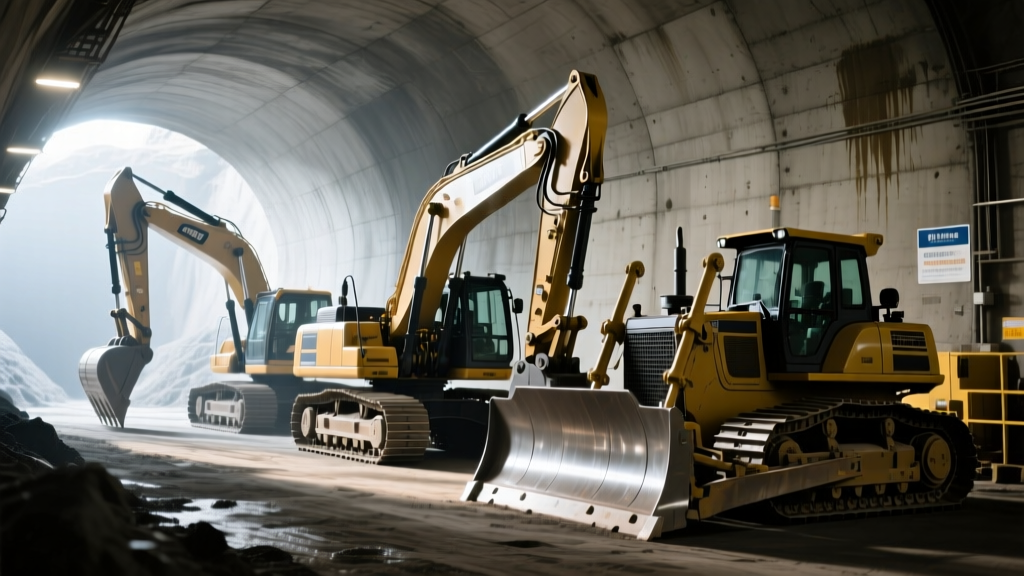
Operating a specialized heavy equipment cleaning business within the underground mining sector requires a fundamental shift from standard surface-level degreasing. Sub-surface mining environments subject machinery to a unique, highly destructive triad of contaminants: abrasive silica rock dust, corrosive sulfate mine water, and heavy muck (blasted ore mixed with hydraulic fluid leaks). Standard pressure washing is insufficient and often dangerous; forcing high-pressure water into articulation joints or electrical cabinets accelerates component failure and creates severe safety hazards.
⚠️ Operational Warning: Never use ultra-high-pressure (UHP) water blasting exceeding 4,000 PSI on the hydraulic cylinder rods of underground drill jumbos or Load Haul Dump (LHD) loaders. Micro-pitting the chrome plating will destroy wiper seals within 50 operating hours, leading to catastrophic hydraulic fluid ingestion into the mine's groundwater system.According to NIOSH guidelines on crystalline silica, dry rock dust accumulation on engine cooling packs not only causes thermal derating but poses a severe respiratory hazard during maintenance. A professional cleaning service must employ wet-suppression or HEPA-filtered vacuum systems before initiating any liquid wash to maintain compliance with strict 2026 MSHA airborne dust regulations.
Core Underground Equipment Types Targeted by Cleaning Services
To structure profitable contracts, a heavy equipment cleaning business must understand the specific vulnerabilities of the primary underground mining equipment types. Each machine class demands a distinct chemical and mechanical cleaning protocol.
1. Load Haul Dump (LHD) Loaders
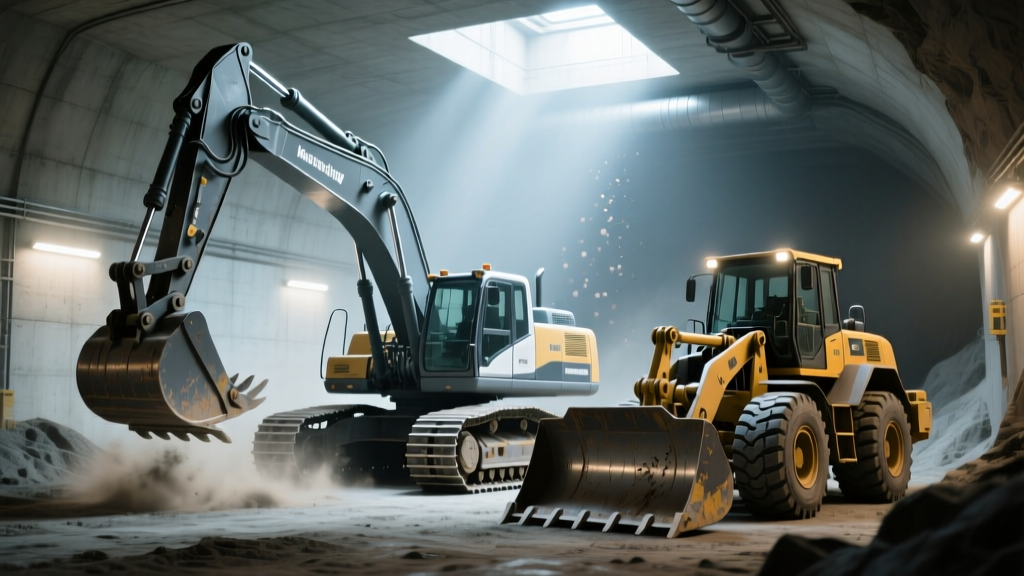
LHDs, such as the Sandvik LH517 or Cat R1600H, operate in tight, poorly ventilated drifts. The primary cleaning focus is the rear-frame cooling pack and the central articulation joint. Mine water often has a highly acidic pH (ranging from 3.0 to 5.0 due to sulfuric acid generation from sulfide ores). If this acidic slurry dries on the articulation pivot bearings, it etches the steel and destroys grease retention capabilities. Cleaning protocols require an alkaline neutralizing foam (pH 9.5-10.5) applied via a foaming cannon, left to dwell for 8 minutes, and rinsed with low-pressure (1,200 PSI) warm water.
2. Underground Drill Jumbos
Development drill jumbos like the Epiroc Boomer S2 feature complex hydraulic feed beams and telescopic booms. The slideways on the feed beam are highly susceptible to muck ingestion. If rock dust mixes with the slideway grease, it forms a lapping compound that gouges the steel wear pads. Cleaning businesses utilize dry ice blasting (solid CO2 pellets at -78°C) to freeze and shatter the hardened grease-dust matrix without introducing moisture, which would otherwise cause flash-rusting on the bare steel slideways.
3. Underground Haul Trucks
Articulated underground haul trucks (e.g., Cat AD45) accumulate massive volumes of wet muck in their dump bodies. Over time, this material hardens into a concrete-like mass, reducing payload capacity by up to 15% and altering the machine's center of gravity. Specialized cleaning contractors use automated underbody wash systems equipped with oscillating 0-degree rotary nozzles operating at 2,500 PSI to shear the muck from the dump body floor.
Cleaning Matrix: Contaminants vs. Equipment Vulnerabilities
| Equipment Type | Primary Contaminant | Vulnerable Component | Recommended Cleaning Method |
|---|---|---|---|
| LHD Loaders | Acidic Mine Water & Mud | Articulation Pivot Bearings | Alkaline Foam Neutralization |
| Drill Jumbos | Grease & Silica Dust Matrix | Feed Beam Slideways | Dry Ice Blasting |
| Electric LHDs | Conductive Carbon & Ore Dust | High-Voltage Cabinets | Dielectric Solvent Wiping |
| Haul Trucks | Compacted Wet Muck | Dump Body Floor & Hoist Cylinders | UHP Water (2,500 PSI) with Rotary Nozzle |
Case Study: Restoring Cooling Efficiency in Sandvik LH517 Fleets
In early 2026, a specialized heavy equipment cleaning business secured a contract with a hard-rock gold mine in Nevada experiencing chronic overheating in their fleet of eight Sandvik LH517 LHDs. The mine's maintenance team was manually blowing out the radiators with compressed air, which only compacted the fine silica dust deeper into the cooling fins, leading to engine derating and a 22% increase in unplanned downtime.
The Intervention:
The cleaning contractor deployed a mobile wash bay utilizing a customized chemical-thermal process. They first applied a biodegradable, high-penetration surfactant designed to break the electrostatic bond between the silica dust and the aluminum radiator fins. After a 12-minute dwell time, they used a specialized low-pressure, high-volume (LPHV) rinse system delivering 40 GPM at only 400 PSI. This high volume of water flushed the mud out the rear of the cooler without bending the delicate aluminum fins.
Financial Impact & ROI:
- Service Cost: $450 per LHD (Total fleet cost: $3,600 per quarterly service).
- Downtime Reduction: Overheating-related delays dropped by 89%.
- Fuel Savings: Restored engine efficiency reduced diesel consumption by 4.2%, saving the mine approximately $14,500 monthly across the fleet.
- Contract Renewal: The mine signed a 24-month retainer based on a 4:1 ROI within the first quarter.
Mobile Wash Bay Setup and Environmental Compliance
Operating a heavy equipment cleaning business on mine property requires strict adherence to environmental regulations regarding runoff. Underground mine water is heavily regulated, and introducing wash-water containing suspended solids, heavy metals, or petroleum hydrocarbons into the mine's primary sump system can overwhelm the site's water treatment plant.
Under MSHA regulations (30 CFR § 56.14100), safety defects must be corrected before equipment is used. A clean machine is a prerequisite for accurate pre-shift inspections. However, the cleaning process itself must not introduce environmental hazards or obscure critical safety labeling.
Step-by-Step Reclamation Setup for Mobile Units
To operate legally and sustainably on-site, mobile cleaning units must integrate closed-loop water reclamation systems.
- Containment Berming: Deploy heavy-duty, drive-over polyurethane berms capable of holding 1,500 gallons to capture all initial runoff.
- Coarse Filtration: Route effluent through a vibrating shale shaker screen (API 40 mesh) to remove large rock particles and ore chunks.
- Chemical Flocculation: Dose the settling tank with an anionic polyacrylamide flocculant at a rate of 2-5 parts per million (ppm). This forces suspended fine silica and heavy metals to bind and sink to the tank floor.
- Oil Skimming: Utilize a belt skimmer to remove floating hydraulic fluid and gear oil from the surface of the clarified water.
- pH Balancing & Reuse: Test the reclaimed water. If pH drops below 6.5 due to residual mine acidity, dose with sodium hydroxide before pumping back into the pressure washer supply tank.
Structuring Contracts and Profit Margins
The profitability of a heavy equipment cleaning business in the mining sector relies on moving away from hourly billing toward value-based, per-unit or retainer pricing. Mining operations prioritize predictability and machine availability over the lowest hourly rate.
2026 Standard Pricing Framework
- Standard LHD Exterior & Undercarriage Wash: $500 - $750 per unit. (Takes 2 technicians approx. 2.5 hours. Margin: ~65%).
- Cooling Pack Detail & Thermal Restoration: $350 - $500 per unit. (High-margin add-on requiring specialized chemical knowledge).
- Dry Ice Blasting (Electrical/Slideways): $350 - $450 per hour. (Consumable dry ice costs ~$0.80/lb; average usage is 3 lbs/minute. High barrier to entry allows premium pricing).
- Annual Fleet Retainer: $120,000 - $180,000 per year for a mid-sized underground mine (15-20 primary units), guaranteeing weekly wash cycles and priority emergency response for muck-clearing.
By mastering the specific mechanical vulnerabilities of underground mining equipment types and deploying advanced, environmentally compliant reclamation technologies, a heavy equipment cleaning business transitions from a commodity vendor to an indispensable partner in mine asset preservation and operational continuity.