Electric Heavy Equipment for Demolition: Attachments vs Diesel
Compare electric heavy equipment demolition attachments to diesel alternatives. Analyze costs, hydraulic flows, and top models for site tear-downs.
The Operational Reality of Battery-Powered Tear-Downs
Demolition in confined urban spaces, indoor facilities, and active hospital campuses faces strict emission, noise, and ventilation ordinances. While electric heavy equipment initially gained traction in material handling and light trenching, the 2026 landscape shows a massive pivot toward heavy demolition. However, pairing battery-electric excavators with high-demand demolition attachments—like hydraulic hammers and multi-processors—introduces unique thermal and hydraulic constraints that diesel rigs simply do not face.
This analysis bypasses the marketing brochures to compare the actual field performance, hydraulic flow limitations, and total cost of ownership (TCO) when running electric heavy equipment for demolition against traditional diesel alternatives.
Carrier Comparison Matrix: 23-Ton Class Demolition Rigs
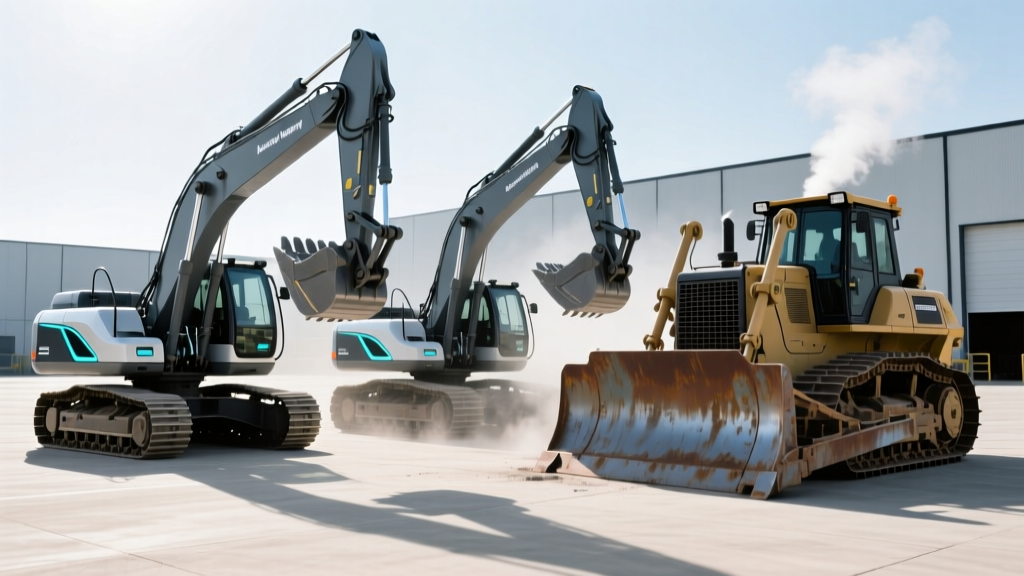
The 20-to-25-ton excavator class is the workhorse for mid-scale structural demolition. Below is a direct specification and performance comparison between a leading battery-electric carrier and its diesel counterpart, configured for heavy attachment use.
| Specification | Volvo EC230 Electric | Volvo EC220 Diesel | Impact on Demolition Operations |
|---|---|---|---|
| Base MSRP (2026) | $385,000 - $415,000 | $215,000 - $235,000 | Electric requires a 75%+ upfront capital premium, offset by municipal grants and fuel savings. |
| Max Hydraulic Flow | 2 x 132 L/min | 2 x 145 L/min | Diesel offers 10% more flow, allowing larger shears to cycle 0.5 seconds faster. |
| Auxiliary Circuit Pressure | 350 bar (Standard) | 350 bar (Standard) | Breakout force on hydraulic thumbs and grapples remains identical across both platforms. |
| Continuous Hammering Runtime | ~4.5 Hours (282 kWh pack) | ~12 Hours (500L tank) | Electric requires mid-shift fast-charging or battery swapping for full-day concrete pulverizing. |
| Cab Noise Level (Interior) | ~68 dB | ~76 dB | Operator fatigue is drastically reduced on electric, critical for precise indoor selective demo. |
Electric-Compatible Demolition Attachments: What Actually Works?
Not all demolition attachments play nicely with electric hydraulic pumps. Electric motors deliver instant peak torque, but sustained high-flow demands can trigger battery management system (BMS) thermal limits. Here is how the most common tear-down attachments perform on electric carriers.
Hydraulic Breakers and Hammers
Running a mid-class breaker like the Epiroc MB 1650 requires a continuous hydraulic flow of 130 to 160 L/min at 160 bar. Electric excavators excel at the initial impact due to instantaneous electric motor torque, eliminating the 'spool-up' lag seen in diesel engines. However, continuous hammering generates immense heat in the hydraulic oil.
- The Edge Case: Electric cooling systems are primarily optimized for cyclic digging and loading. When hammering reinforced concrete for more than 45 continuous minutes, hydraulic oil temperatures can breach 80°C (176°F). The excavator's ECU will automatically derate the hydraulic pump to protect the seals, reducing the hammer's blow frequency from 550 bpm down to 300 bpm.
- The Fix: Operators must utilize 2-way flow circuits with return-line oil coolers specifically sized for hammer operations, and mandate 10-minute cooling cycles every hour during heavy slab breaking.
Multi-Processors and Concrete Shears
Attachments like the Stanley LaBounty MP20 multi-processor rely on high cylinder speeds for rapid jaw cycling. Because electric heavy equipment maintains consistent hydraulic pressure regardless of engine RPM (unlike diesel, which drops pressure when the engine bogs down under load), electric carriers actually provide superior, consistent jaw closing force. This results in cleaner rebar shearing and less stalling when biting through dense, high-PSI foundation concrete.
Warning: Quick Coupler Voltage SpikesWhen rapidly cycling hydraulic quick couplers (e.g., Tilrotator or standard pin-grabbers) to switch from a bucket to a shear, the sudden stopping of hydraulic flow can cause micro-pressure spikes. On early-generation electric machines, this occasionally tripped the sensitive inverter relays. Ensure your 2026 electric carrier has updated accumulator bladders installed on the auxiliary lines to absorb these shockwaves.
The Hidden Costs: Battery Degradation vs. DEF and Filters
Fleet managers often look solely at the cost of electricity versus diesel. A more accurate 2026 TCO analysis for demolition must factor in maintenance downtime and consumable degradation.
Diesel Demolition Costs (Per 2,000 Hours)
- Fuel (Diesel + DEF): $38,500 (assuming 4.5 GPH burn rate under heavy attachment load).
- Emissions Maintenance: $4,200. Demolition sites are notoriously dusty. Diesel Particulate Filters (DPF) clog rapidly when machines idle or operate at low RPMs during precision sorting. Forced regenerations and DEF pump replacements are common.
- Ventilation Scaffolding: For indoor demo, diesel requires massive temporary HVAC scrubbers to meet OSHA silica and exhaust ventilation standards, often costing $15,000+ per project.
Electric Demolition Costs (Per 2,000 Hours)
- Energy (Grid + Fast Charging): $6,800 (assuming industrial off-peak charging rates).
- Emissions Maintenance: $0. No DPF, no DEF, no engine oil changes.
- Battery Degradation Reserve: $8,500. Heavy demolition draws massive amperage. While lithium-iron-phosphate (LFP) packs are rated for 5,000 cycles, sustained high-draw demolition accelerates micro-degradation. Fleet managers must allocate a sinking fund for eventual module replacement by year 7.
Net Result: The electric rig achieves break-even against diesel at approximately 3,800 operating hours, heavily accelerated if the machine is deployed on indoor or noise-restricted municipal sites where diesel is outright banned or requires expensive mitigation.
Edge Cases and Field Failure Modes
Transitioning to electric heavy equipment for demolition requires retraining operators who are used to abusing diesel engines. Two specific failure modes dominate service calls in the electric demo sector:
- Regenerative Braking Overload on Slopes: When tearing down earthen berms or working on graded foundations, operators frequently use the boom to 'walk' or brace the machine. Electric systems use regenerative braking to slow hydraulic swing and travel. If the battery is at 98% State of Charge (SoC) and the operator swings a heavy grapple full of concrete down a slope, the system has nowhere to dump the regenerative energy. The machine will throw a critical fault and lock the swing brake. Rule: Never start a heavy demo shift with a 100% charge; cap at 90% to leave buffer for regen.
- Dust Ingestion in Inverter Cabinets: Demolition creates fine, abrasive silica dust. While electric motors are sealed, the cooling air intakes for the high-voltage inverters can draw in conductive dust if filters are not cleaned daily. This leads to arc faults in the power distribution unit (PDU), a $25,000 repair that is entirely preventable with daily blow-downs.
Decision Framework: When to Deploy Electric Demolition Rigs
Do not default to electric simply for the environmental optics. Use this operational matrix to assign your fleet:
Deploy Electric Heavy Equipment If:
- Indoor/Confined Space Demo: Eliminates the need for $20k+ temporary ventilation scrubbers and protects crews from carbon monoxide.
- Nighttime Urban Tear-Downs: Electric carriers operating with hydraulic shears produce 60% less ambient noise, keeping you compliant with strict municipal decibel ordinances and avoiding $5,000/night noise violation fines.
- Precision Selective Demo: The lack of engine vibration and instant hydraulic response allows operators to delicately strip HVAC and copper wiring without damaging surrounding load-bearing structures.
Stick to Diesel Alternatives If:
- Open-Air High-Volume Pulverizing: If the primary task is running a hydraulic hammer 8 hours a day on an open slab, diesel's superior thermal management and unlimited runtime (via quick refueling) will yield higher daily tonnage.
- Remote/Grid-Deficient Sites: If you cannot secure a 480V, 3-phase temporary power drop to run a 150kW DC fast charger, the logistics of towing battery generators will erase any fuel cost savings.
Electric heavy equipment has matured from a niche novelty into a highly specialized demolition tool. By matching the instantaneous torque and zero-emission profile of battery carriers with the right hydraulic attachments—and respecting the thermal limits of the cooling systems—contractors can dominate the highly lucrative, tightly regulated urban tear-down market.