Choosing a Soil Conditioner Among Other Heavy Equipment Attachments
Compare soil conditioners against other heavy equipment attachments. Get 2026 pricing, hydraulic specs, and wear-part maintenance data.
The Mechanics of Soil Conditioning vs. Surface Raking
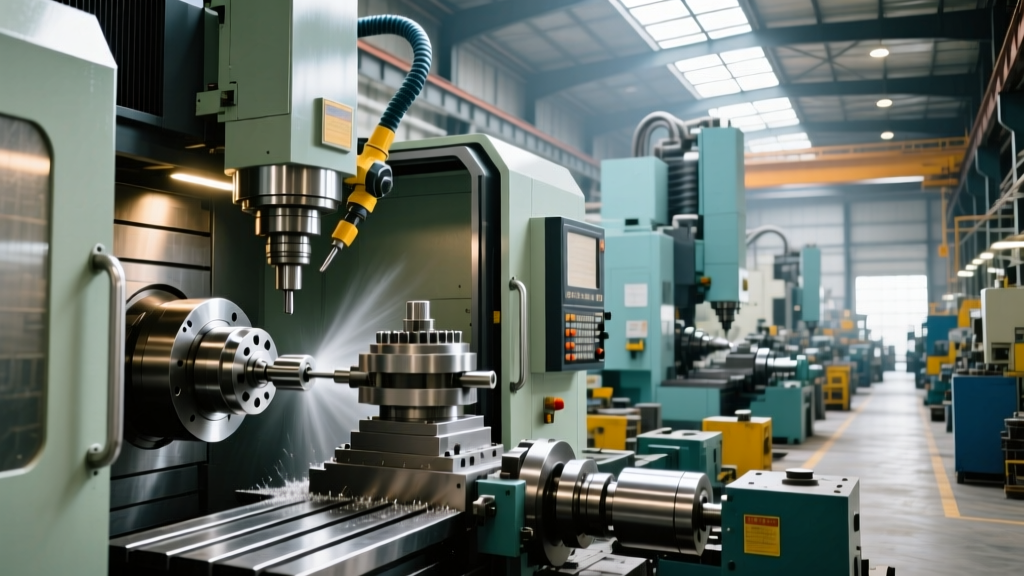
Site preparation for road base installation, landscaping, and agricultural remediation requires precise soil manipulation. While many contractors rely on generic buckets or basic tillers, true soil conditioning demands a specialized approach. A dedicated soil conditioner—often referred to as a rotary mixer or soil preparer—utilizes a rotating drum equipped with carbide-tipped teeth to pulverize clods, crush small rocks, and seamlessly integrate soil amendments like lime or fly ash. Unlike surface-level rock rakes that merely windrow debris, conditioners process the soil profile down to depths of 4 to 8 inches, creating a uniform, engineered subgrade.
According to the USDA Natural Resources Conservation Service, proper soil structure and amendment integration are critical for load-bearing capacity and drainage. When contractors attempt to achieve this with standard tillers, they often leave behind un-pulverized clay clods that compromise compaction testing. The conditioner's rear roller and grading bar ensure the processed material is left at a precise, laser-ready grade.
Evaluating a Soil Conditioner in Other Heavy Equipment Attachments Lineups
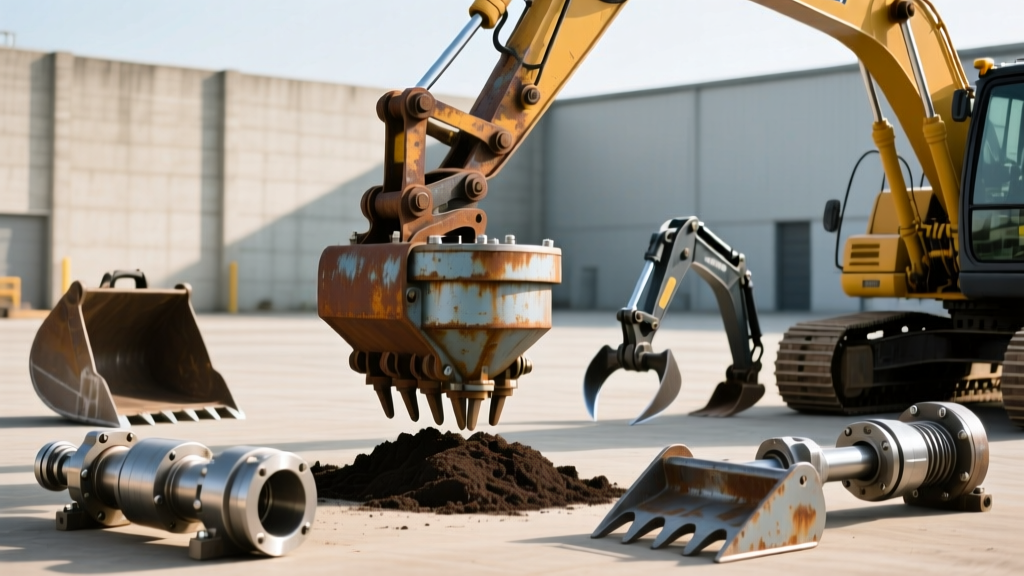
When fleet managers evaluate a dedicated soil conditioner in other heavy equipment attachments lineups, the distinction between true pulverizers and mere surface rakes becomes the defining factor in project profitability. Procurement teams frequently confuse soil conditioners with Harley-style power rakes, cold planers, and agricultural tillers. While these tools share visual similarities, their internal architecture and intended applications differ drastically.
Attachment Decision Matrix: Which Tool Fits the Soil Profile?
- Soil Conditioner (Rotary Mixer): Best for pulverizing heavy clay, mixing in base aggregates, and crushing embedded rock up to 6 inches in diameter. Leaves a compactable, uniform grade.
- Power Rake (Harley Rake): Best for surface-level debris removal, seedbed prep, and windrowing rocks. Cannot pulverize hardpan or mix deep amendments.
- Heavy-Duty Tiller: Best for deep agricultural aeration (up to 12 inches). Fails in rocky or heavy clay soils due to shear pin failures and leaves large, un-compacted clods.
- Cold Planer (Milling Head): Best for asphalt and concrete removal. Using it on raw soil will instantly destroy the cutting drum bearings due to silicate dust ingress.
2026 Market Pricing and Technical Specifications
The attachment market has seen significant shifts in hydraulic efficiency and wear-material metallurgy over the past few years. Below is a breakdown of current market leaders in the skid-steer and compact track loader (CTL) soil conditioner space, reflecting 2026 dealer pricing and hydraulic requirements.
| Brand / Model | Working Width | Hydraulic Flow Req. | Drum Depth | Est. 2026 Price |
|---|---|---|---|---|
| Bobcat 84" Soil Conditioner | 84 Inches | 15 - 22 GPM (Std) | 4.5 Inches | $8,200 - $9,500 |
| FAE SSL/DT Series | 60 Inches | 25 - 35 GPM (High) | 6.0 Inches | $14,500 - $16,800 |
| Erskine 72" Conditioner | 72 Inches | 12 - 18 GPM (Std) | 4.0 Inches | $6,100 - $7,300 |
For comprehensive rotor and stabilization specifications, equipment managers can reference the FAE Group soil stabilization catalog, which details the metallurgical differences between standard agricultural teeth and heavy-duty rock-crushing carbide inserts.
Hydraulic Architecture and the Case Drain Imperative
The most common cause of catastrophic failure in high-flow soil conditioners is the improper management of hydraulic case pressure. High-flow CTLs pushing 35 GPM through a 1.25-inch flat-face coupler generate immense internal heat and pressure within the attachment's hydraulic motor.
The 45-Second Seal Blowout Rule: If a high-flow soil conditioner motor is operated without a dedicated case drain line routed back to the carrier's hydraulic tank, internal shaft seals will rupture in as little as 45 seconds. The case drain relieves internal leakage pressure. Fleet managers must ensure their carrier machines are equipped with the third hydraulic circuit (case drain) and that operators are trained to connect all three hoses (pressure, return, and case drain) before engaging the PTO.
Wear Component Economics and Rebuild Intervals
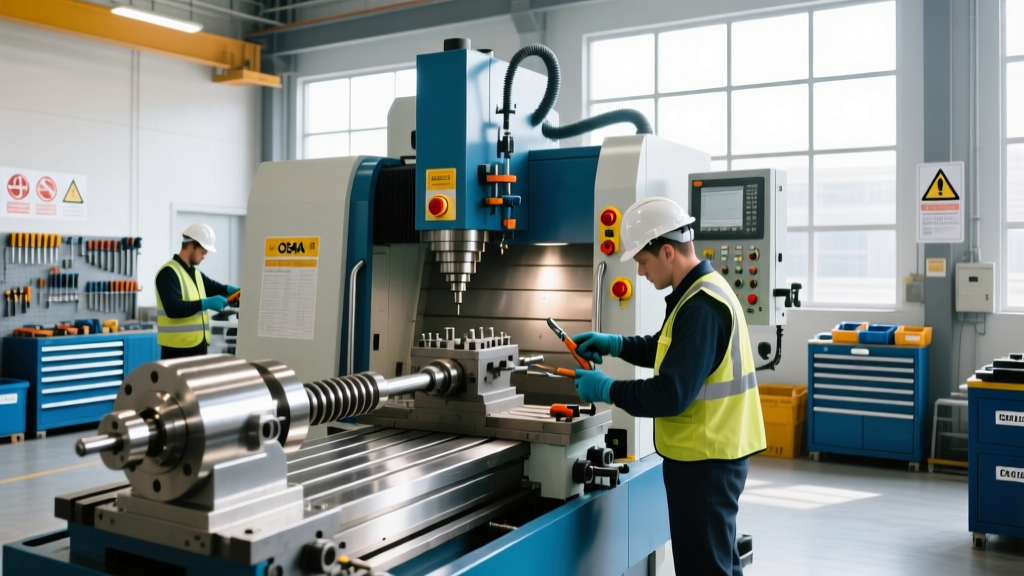
When calculating the total cost of ownership (TCO) for a soil conditioner, the initial purchase price is secondary to wear-part consumption. The rotating drum operates in a highly abrasive environment, subjecting teeth, toolholders, and main bearings to extreme silicate wear.
Carbide Teeth Replacement Economics
A standard 60-inch heavy-duty conditioner drum typically houses between 48 and 60 carbide-tipped teeth. In abrasive, sandy-loam soils, operators can expect a lifespan of 150 to 200 operating hours per set of teeth. In heavy clay with embedded quartz or granite, this drops to 60 to 80 hours.
- Standard Forged Steel Teeth: $12 - $18 each. (Require frequent replacement, high labor cost).
- Premium Tungsten Carbide Teeth (e.g., FAE C/ST/6): $38 - $55 each. (Last 3x longer, maintain consistent cutting profile).
- Toolholder Welding/Replacement: If operators fail to replace worn teeth promptly, the steel toolholder block will grind against the soil. Replacing a welded toolholder requires specialized jigging and costs approximately $125 per block in shop labor and materials.
Main Drum Bearing Maintenance
The main drum bearings are the lifeline of the attachment. Top-tier manufacturers utilize heavy-duty labyrinth seals paired with daily grease purge requirements. The labyrinth design creates a tortuous path that prevents fine silicate dust from reaching the bearing races. Critical Maintenance Rule: Operators must pump the bearing housings with high-temperature, molybdenum-disulfide (MoS2) fortified grease at the start of every shift until fresh grease purges from the labyrinth seal. Failure to perform this 2-minute daily task will result in bearing seizure, requiring a drum teardown and rebuild costing upwards of $4,500 in parts and machine shop time.
⚠️ Warning: Hydraulic Motor PlacementWhen selecting a conditioner, prioritize models where the hydraulic motor is recessed inside the drum frame or protected by a heavy-duty shear guard. Exposed motors mounted on the exterior of the frame are highly susceptible to impact damage from hidden rocks and stump roots during reverse maneuvering.
Procurement Framework: Maximizing Fleet ROI
Purchasing a soil conditioner requires matching the attachment's torque curve and width to the carrier machine's operating capacity and the specific soil mechanics of your region. Over-sizing a conditioner on a low-flow machine will result in constant hydraulic relief valve blow-offs, stalling the drum and glazing the carbide teeth. Conversely, under-sizing the attachment leads to excessive ground speed requirements, reducing the pulverization quality and leaving oversized clods that will fail municipal compaction tests.
For contractors performing commercial site prep, the Bobcat soil conditioner lineup offers a reliable, standard-flow entry point that integrates seamlessly with existing 75 to 90-horsepower CTL fleets. However, for heavy civil contractors managing rock-laden subgrades or requiring deep lime stabilization, investing in a high-flow, purpose-built rotary mixer from specialized manufacturers yields a superior subgrade finish and drastically reduces the need for secondary grading passes.
Ultimately, the decision hinges on production volume. If your crews are processing more than 10,000 square yards of subgrade annually, the premium paid for a high-flow, carbide-equipped soil conditioner will amortize within the first six months through reduced manual labor, fewer failed compaction tests, and extended wear-part intervals.