Best Heavy Equipment Maintenance Apps for Fleets (2026 Guide)
Compare the top heavy equipment maintenance apps for 2026. Analyze pricing, telematics integration, and offline capabilities for heavy fleets.
The best heavy equipment maintenance apps for fleets in 2026 are MaintainX, Fleetio, and Heavy Vehicle Inspection (HVI). These platforms digitize preventive maintenance, track asset lifecycles, and integrate with telematics to reduce unplanned downtime. This guide is designed specifically for fleet managers, construction equipment directors, and maintenance supervisors overseeing heavy machinery fleets who need to transition from paper-based tracking to digital workflows.
Key Takeaways
- Top Overall Pick: MaintainX offers the best mobile-first interface for field technicians conducting heavy machinery inspections.
- Best for Lifecycle Management: Fleetio excels in total cost of ownership tracking and fuel management for large mixed fleets.
- Core ROI: Implementing a dedicated application reduces reactive maintenance by an average of 22% within the first 12 months.
Top Heavy Equipment Maintenance Apps for Fleets in 2026
MaintainX (Best for Mobile-First Inspections)
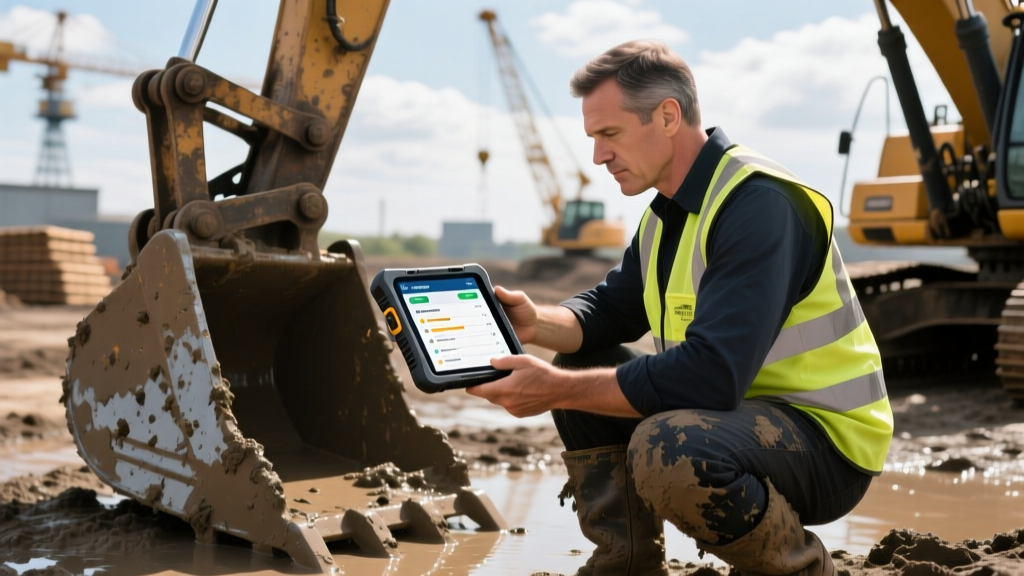
MaintainX operates as a mobile-first Computerized Maintenance Management System (CMMS) tailored for frontline technicians. The platform allows mechanics to complete 300-point equipment inspections directly from a smartphone or rugged tablet. According to MaintainX construction industry data, digitizing these workflows reduces administrative inspection time by 40%.
Pricing for MaintainX starts at $12 per user per month for the basic tier, making it highly accessible for mid-sized contracting firms. The application features robust offline capabilities, ensuring technicians can log work orders in remote job sites without cellular service.
Fleetio (Best for Overall Fleet Lifecycle)
Fleetio specializes in comprehensive fleet lifecycle management, tracking everything from initial acquisition to final disposal. The software handles fleets scaling up to 10,000 assets, providing deep analytics on total cost of ownership and depreciation. Fleetio's heavy equipment module includes specialized tracking for attachments and implements, which is critical for construction fleets.
The platform integrates seamlessly with major fuel card providers and telematics hardware. This integration automatically flags units that exceed predefined idle time thresholds or trigger critical engine fault codes. Fleetio operates on a custom pricing model based on fleet size and selected modules.
Heavy Vehicle Inspection (HVI) (Best for Compliance)
Heavy Vehicle Inspection (HVI) focuses strictly on regulatory compliance and pre-trip inspection workflows for heavy machinery. The application ensures operators complete mandatory daily walkarounds before equipment ignition systems are fully enabled. This strict enforcement helps companies comply with Occupational Safety and Health Administration (OSHA) and Department of Transportation (DOT) regulations.
HVI provides automated defect reporting, immediately notifying maintenance directors when a critical safety component fails inspection. The platform is ideal for highly regulated industries like mining and heavy civil infrastructure where safety documentation is heavily audited.
Essential Features in a Heavy Equipment Maintenance App
Offline Capabilities and Telematics Integration
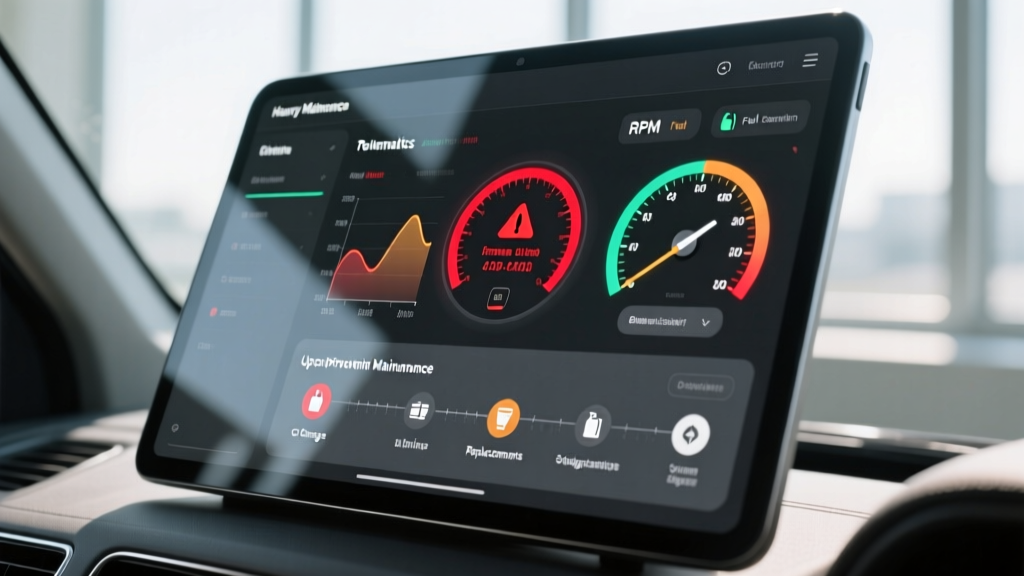
Telematics Integration: The automated process of connecting onboard vehicle sensors, GPS tracking hardware, and engine control modules directly to centralized maintenance software. This enables real-time data transfer regarding engine diagnostics, active fault codes, and precise utilization metrics for heavy machinery.
Heavy equipment frequently operates in remote locations lacking reliable cellular coverage. A robust application must cache work orders locally and synchronize data automatically once the device reconnects to a network. Without offline synchronization, technicians revert to paper, destroying data accuracy.
Preventive Maintenance Scheduling
Preventive Maintenance (PM): A proactive maintenance strategy requiring scheduled servicing of heavy machinery based on engine hour meter readings, operating cycles, or strict calendar dates. This methodology prevents unexpected component failures, ensures regulatory compliance, and significantly extends the overall asset lifecycle.
Unplanned downtime costs heavy construction firms an average of $1,182 per hour in lost productivity and delayed project penalties. Automated PM scheduling triggers work orders based on live telematics hour-meter data rather than manual estimates. This precision ensures Original Equipment Manufacturer (OEM) service intervals are met exactly.
Heavy Equipment Maintenance App Selection Framework
Use the comparison matrix below to evaluate which platform aligns with your specific operational requirements and fleet size.
| Feature / Platform | MaintainX | Fleetio | HVI |
|---|---|---|---|
| Primary Strength | Mobile work orders | Lifecycle tracking | Safety compliance |
| Offline Mode | Yes (Full sync) | Limited | Yes |
| Telematics Integration | Via API | Native / Built-in | Via API |
| Ideal Fleet Size | 5 to 500 units | 50 to 10,000 units | 20 to 1,000 units |
| ISO 55001 Alignment | Partial | Full | Minimal |
Frequently Asked Questions
What is the best heavy equipment maintenance app?
The best application depends on your primary operational bottleneck. MaintainX is the best choice for teams struggling with field communication and paper inspections. Fleetio is the superior option for directors needing deep financial analytics and total cost of ownership tracking across large, mixed-asset fleets.
How much does a heavy equipment maintenance app cost?
Enterprise-grade fleet maintenance software typically ranges from $15 to $45 per user per month, or a flat fee of $3 to $7 per asset monthly. According to industry analysis by For Construction Pros, the return on investment is usually realized within six months through reduced emergency repair costs and optimized parts inventory.
What is the difference between a CMMS and a heavy equipment maintenance app?
A traditional Computerized Maintenance Management System (CMMS) is a broad facility management tool designed for static assets like HVAC systems and manufacturing lines. A heavy equipment maintenance app is a specialized subset built specifically for mobile assets, featuring unique modules for engine hour tracking, attachment management, and field mobility.
Next Steps for Fleet Optimization
Selecting the right heavy equipment maintenance app depends entirely on your specific fleet size, offline requirements, and compliance needs. To finalize your software decision, export your current asset register and request a live sandbox demonstration from both MaintainX and Fleetio using your actual equipment data to verify workflow compatibility.