Heavy Equipment Operator Training Online for Remote & FIFO Jobs
Learn how heavy equipment operator training online prepares candidates for remote and FIFO mining jobs, featuring real case studies and 2026 salary data.
Remote and Fly-In Fly-Out (FIFO) roles represent the most lucrative, demanding tier of the heavy equipment sector. Operating a 400-ton haul truck in the isolated expanses of the Athabasca Oil Sands or the Pilbara iron ore basin requires more than basic mechanical aptitude; it demands rigorous cognitive preparation, telematics fluency, and extreme-environment safety protocols. While traditional yard training provides essential seat time, heavy equipment operator training online has evolved into a critical prerequisite for remote deployment, bridging the gap between fundamental operation and site-specific technical mastery.
The Economics and Reality of FIFO Heavy Equipment Roles
FIFO and remote residential positions operate on intense roster cycles—typically 14 days on/7 days off, or 8 days on/6 days off—requiring operators to maintain peak concentration during 12-hour shifts in isolated environments. The financial compensation reflects this demand. According to the U.S. Bureau of Labor Statistics, the median pay for heavy equipment operators hovers around $54,000, but remote mining and specialized infrastructure roles drastically skew this average upward.
Data Highlight: 2026 Remote vs. Residential Compensation
- Local/Residential Earthmoving (US): $62,000 – $78,000 USD annually
- Remote Mining Haul Truck Operator (US/Canada): $105,000 – $135,000 USD annually
- FIFO Specialized Excavator/Dragline (Australia/Global): $120,000 – $155,000+ USD equivalent
- Autonomous Fleet Monitor (Remote Ops Center): $115,000 – $140,000 USD annually
The barrier to entry for these high-paying roles is steep. Mining conglomerates like BHP, Rio Tinto, and Fortescue Metals Group rarely hire green operators directly from standard local construction backgrounds. They require candidates who already understand site-specific safety management systems, a focus heavily emphasized by NIOSH mining safety research regarding fatigue and isolated hazard mitigation.
Evaluating Heavy Equipment Operator Training Online for Remote Readiness
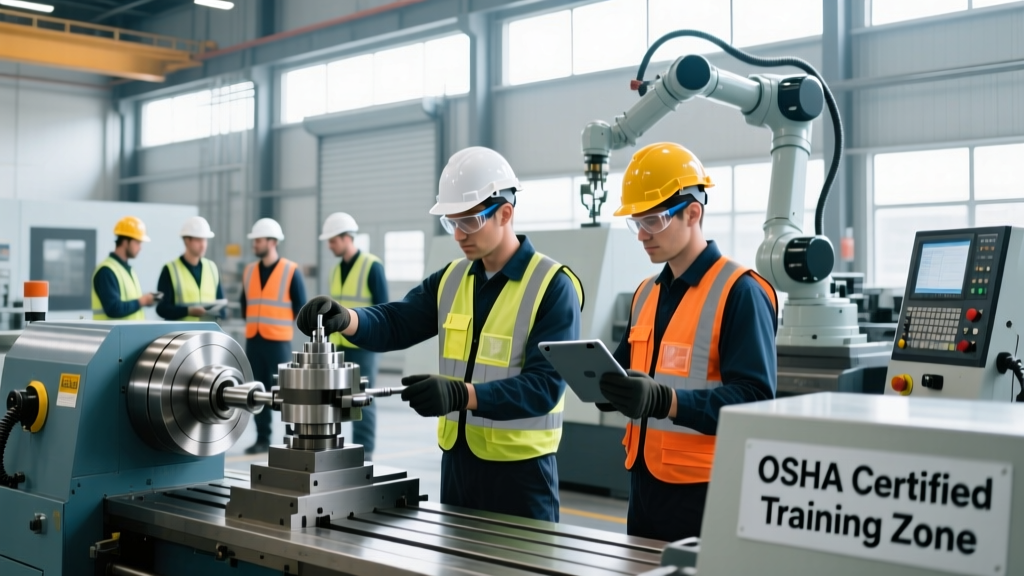
A common misconception is that online training is purely theoretical. In 2026, advanced online platforms utilize VR-integrated simulator software and OEM-specific e-learning modules to replicate the exact cognitive load of remote mining environments. This digital preparation is vital before an operator ever steps foot in a physical machine on a remote site.
| Competency Area | Traditional Yard Training | Advanced Online/Simulator Training |
|---|---|---|
| Telematics & FMS Interpretation | Low (Focus on physical levers/pedals) | High (Simulated Fleet Management System dashboards) |
| Extreme Weather Protocols | Weather-dependent, often skipped | Scenario-based modules (e.g., -30°C cold starts) |
| Fatigue & Micro-sleep Recognition | Classroom lecture only | Biometric simulator feedback and eye-tracking modules |
| Autonomous Fleet Interaction | Unavailable in standard yards | Cat MineStar / Komatsu FrontRunner interface training |
Industry Case Studies: Online Preparation in Action
Case Study 1: Cold-Weather Protocols in the Athabasca Oil Sands
In the Athabasca region of Alberta, winter temperatures routinely plunge below -30°C. Operating a Komatsu 930E-5 electric drive haul truck in these conditions requires meticulous pre-start procedures to prevent catastrophic component failure. A major mining contractor recently revamped its onboarding pipeline, requiring all new hires to complete heavy equipment operator training online modules focused exclusively on extreme cold operations before flying to site.
The online curriculum covered specific, actionable procedures:
- DEF Fluid Management: Training on preventing Diesel Exhaust Fluid crystallization in storage and saddle tanks, requiring specific heating blanket protocols.
- Transmission Warming Sequences: Step-by-step digital walkthroughs of torque converter lock-up avoidance until hydraulic fluids reach 40°C operating minimums.
- Block Heater Diagnostics: Identifying faulty ground fault circuit interrupters (GFCIs) on 600V umbilical cords prior to shift start.
Result: The contractor reported a 28% reduction in cold-weather related hydraulic hose blowouts and transmission faults during the 2025-2026 winter season, directly attributing the improvement to pre-deployment online technical familiarization.
Case Study 2: Transitioning to Autonomous Haulage Systems (AHS) in the Pilbara
Western Australia’s Pilbara region leads the globe in Autonomous Haulage Systems. Operators are increasingly transitioning from manual driving to remote fleet monitoring. The physical act of steering is replaced by the cognitive task of managing exceptions in a fleet of Caterpillar 793F CMD trucks operating on Cat MineStar Command.
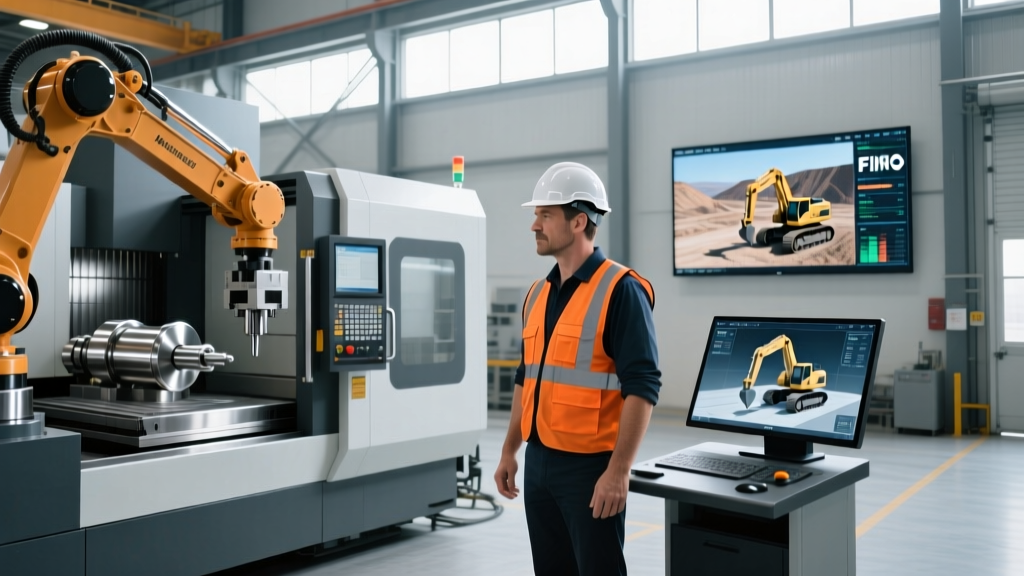
Mining firms now utilize specialized heavy equipment operator training online to teach the 'Exception Handling' interface. Candidates spend 40 hours in virtual environments learning how to remotely intervene when an autonomous truck encounters an unmapped berm, loses GPS RTK correction signals, or registers a tire pressure anomaly via the TPMS network. This online training ensures that when the operator arrives at the Remote Operations Center (ROC) in Perth, they are already fluent in the software ecosystem, reducing site-specific onboarding time by an estimated three weeks.
"The modern remote operator is essentially a heavy machinery systems analyst. We don't just need them to know how to dig or drive; we need them to interpret real-time payload data, track cycle time deviations, and manage machine health alerts. Online simulator training is the only scalable way to teach this data literacy before they reach the site."
— Director of Mobile Equipment, Tier-1 Copper Mining Operation
Strategic Roadmap: From Online Certification to FIFO Deployment
For candidates targeting remote and FIFO roles, a strategic approach to digital and practical training is mandatory. Follow this framework to build a competitive profile for remote hiring managers.
Step-by-Step FIFO Preparation Flow
Phase 1: Regulatory & Safety Foundations (Weeks 1-3)
- Complete MSHA Part 46/48 or regional equivalent online safety certifications.
- Obtain specialized online certifications in Confined Space Entry and Working at Heights, which are mandatory for remote maintenance and operational overlap.
Phase 2: OEM-Specific E-Learning (Weeks 4-6)
- Enroll in manufacturer-specific online portals (e.g., Cat University, Komatsu Learning). Focus on Tier 4 Final / Stage V emissions systems and DEF troubleshooting, as remote sites have zero tolerance for emissions-related machine derates.
Phase 3: High-Fidelity Simulator Hours (Weeks 7-10)
- Utilize VR or hardware-linked simulator platforms to log a minimum of 50 hours on ultra-class haul trucks (300+ ton capacity) or large hydraulic shovels (e.g., Cat 6060).
- Focus heavily on 'blind spot' management and reverse-maneuvering in simulated tight bench environments.
Phase 4: Telematics & Data Literacy (Weeks 11-12)
- Complete online modules on interpreting payload monitoring systems (e.g., Cat Payload) to understand overloading penalties and tire life degradation metrics.
The Verdict on Digital Preparation for Isolated Sites
Securing a remote or FIFO heavy equipment position requires proving you can manage the immense financial and safety risks associated with multi-million-dollar machinery in isolated environments. Heavy equipment operator training online provides the technical depth, OEM-specific software fluency, and extreme-environment protocol knowledge that traditional local training simply cannot replicate. By strategically leveraging advanced digital curricula and simulator hours, candidates can bypass the entry-level local market and position themselves directly for high-yield remote deployments.