Mechanic vs Operator: What Do Heavy Equipment Operators Make in 2026?
Comparing heavy equipment mechanic and operator careers. Discover what do heavy equipment operators make versus mechanics amid 2026 tech trends.
The Digital Transformation of Heavy Iron
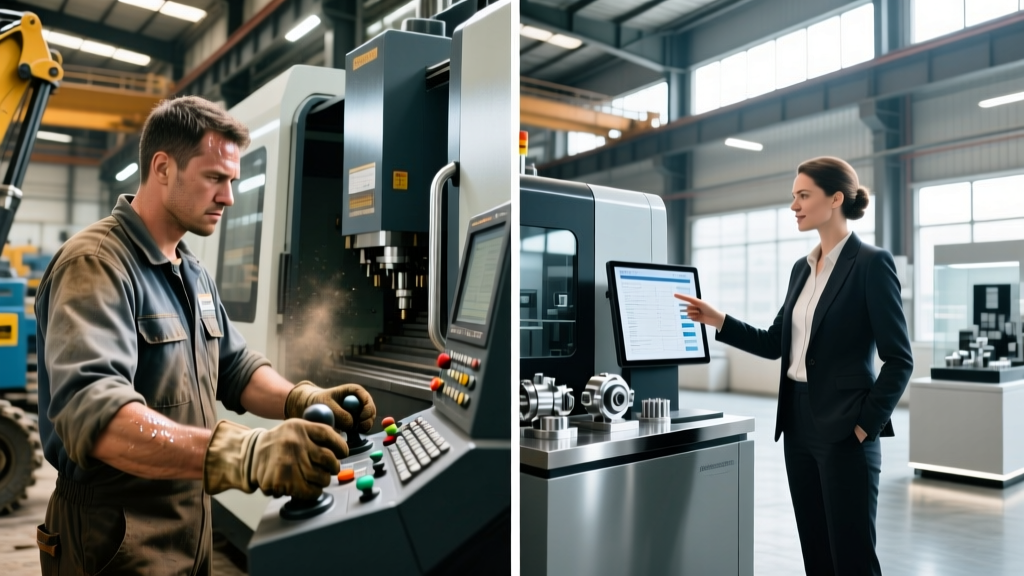
The heavy equipment industry has fundamentally shifted from purely mechanical systems to highly integrated cyber-physical networks. In 2026, the cab of a Caterpillar D8 dozer or a John Deere 944K wheel loader resembles a mobile command center, while the service bay requires IT-level diagnostic skills alongside traditional wrench-turning. This technological leap has blurred the lines between the two primary career paths in the sector, fundamentally altering compensation structures, daily workflows, and long-term career ceilings.
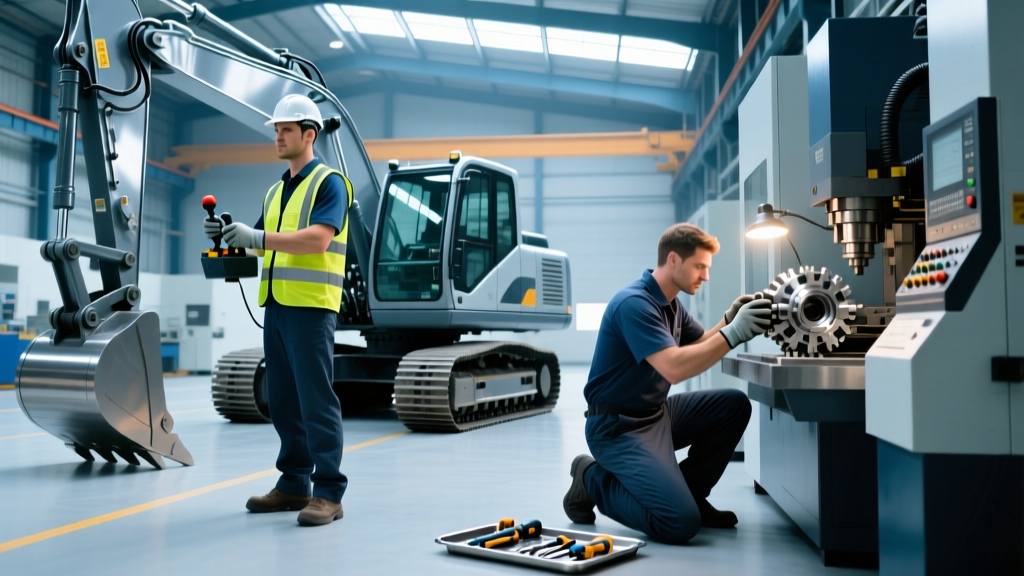
For professionals weighing their options, the decision between the cab and the shop floor hinges on technical aptitude, physical tolerance, and financial goals. When candidates research what do heavy equipment operators make compared to the technicians who maintain these multi-million-dollar fleets, the answer is no longer a simple hourly wage comparison. It is a complex matrix of base pay, technology premiums, tool allowances, and overtime structures.
2026 Compensation Snapshot
- Heavy Equipment Operators (Median): $62,400 - $78,500 annually
- Heavy Equipment Mechanics (Median): $68,100 - $84,200 annually
- Tech-Premium Ceiling (Operators): $115,000+ (Union pipeline / GPS Grade Control)
- Tech-Premium Ceiling (Mechanics): $125,000+ (OEM Master Tech / Field Service)
The Telematics Shift: Smart Iron vs. Smart Diagnostics
To understand the compensation gap, you must first understand the daily technological demands of each role. The integration of telematics—such as Cat Connect, JDLink, and KOMTRAX—has created a bifurcated skill requirement.
The Operator's Command Center
Modern operators are essentially data managers who happen to move dirt. Utilizing 3D machine control systems like Trimble Earthworks or Topcon X-53i, operators import drone-surveyed topographical maps directly into their cab displays. The hydraulic system automatically restricts blade or bucket movement to the exact design surface, eliminating over-excavation. The operator's value is no longer just in their 'feel' for the machine, but in their ability to troubleshoot GNSS base station connectivity, calibrate IMU (Inertial Measurement Unit) sensors, and manage Bluetooth data transfers from the site engineer's tablet.
The Mechanic's Diagnostic Lab
Conversely, the heavy equipment mechanic has transitioned from a grease-and-wrench role to a network-diagnostic specialist. When a Tier 4 Final or Stage V engine derates, mechanics use advanced interfaces like the Nexiq USB-Link 3 or Jaltest Heavy Duty V56 to read CAN bus fault codes. They must understand high-pressure common rail (HPCR) fuel injection mapping, diesel exhaust fluid (DEF) dosing algorithms, and hydraulic pump swashplate sensor feedback. A mechanic who can read an oscilloscope waveform to diagnose a failing proportional solenoid valve commands a massive premium over one who only swaps physical parts.
Salary Breakdown: What Do Heavy Equipment Operators Make vs. Mechanics?
According to the U.S. Bureau of Labor Statistics (BLS), operator wages vary wildly based on union affiliation and specialized tech skills. The BLS data for heavy vehicle mechanics shows a similar trend, where OEM-certified technicians drastically out-earn generalists.
| Compensation Factor | Heavy Equipment Operator | Heavy Equipment Mechanic |
|---|---|---|
| Base Hourly Range | $26.00 - $42.00 / hr | $29.00 - $48.00 / hr |
| Overtime Availability | High (Seasonal / Project deadlines) | Moderate to High (Breakdowns / Fleet maintenance) |
| Tool / Tech Allowance | Rare (PPE and boots only) | $2,500 - $6,000 annually + Laptop/Software |
| Travel / Per Diem | Common on remote civil sites | High for Field Service Techs ($60-$85/day) |
| Union Influence | Massive (IUOE dictates massive wage floors) | Moderate (Dealerships often non-union) |
A Day in the Life: Tech Integration in 2026
The daily routine highlights the divergent physical and mental demands of each career path.
Operator Morning Routine
- Conduct 360-degree walk-around and check fluid sight glasses.
- Boot up the in-cab Android-based grade control tablet.
- Sync with the site's local RTK GNSS base station via radio link.
- Verify IMU calibration by swinging the excavator boom through a specific geometric pattern.
- Monitor hydraulic temperature deltas on the digital dash while trenching.
Mechanic Morning Routine
- Review overnight telematics fault codes uploaded by the fleet manager.
- Connect a ruggedized Panasonic Toughbook to the machine's 9-pin Deutsch diagnostic port.
- Perform a forced DEF dosing test to isolate a clogged injector vs. a failed pump.
- Use a digital multimeter to check for voltage drops across the main ECU power relay.
- Flash new firmware to the transmission controller via OEM cloud servers.
Certifications That Drive the Pay Scale
If you are trying to maximize your income in either field, generic experience is no longer enough. The market heavily rewards specialized, verifiable tech competencies.
For Operators
According to the National Commission for the Certification of Crane Operators (NCCCO), specialized lifting certifications remain a goldmine. However, in the earthmoving sector, the money is in Machine Control Certifications. Manufacturers like Topcon and Trimble offer multi-day courses on their specific 3D grading software. An operator who can build a custom surface model in the cab when the surveyor makes an error is worth their weight in gold to a grading contractor, often commanding an extra $4 to $8 per hour.
For Mechanics
The ASE Medium/Heavy Truck and Off-Road Equipment certifications are the baseline. The real financial leap occurs when mechanics attain OEM Master Technician status (e.g., Caterpillar Certified Master Technician or John Deere Master Tech). This requires passing rigorous proprietary exams on electrical multiplexing, hydrostatic transmissions, and emissions systems. Field service mechanics who hold these certs and travel to remote mine sites or wind farms frequently clear $130,000 annually with overtime and per diem.
'The biggest mistake young mechanics make is avoiding the electrical and software side of the job. The guys who refuse to plug in a laptop are capping their earning potential at $30 an hour. The guys who understand CAN bus networks are writing their own tickets.' — Fleet Maintenance Director, National Earthmoving Contractor.
Physical Toll and Longevity
Salary is only one side of the equation; career longevity is the other. Both paths exact a physical toll, but in entirely different ways.
- Operators: The primary enemies are whole-body vibration (WBV), sedentary posture, and noise. Modern air-ride, heated, and climate-controlled cabs have vastly improved conditions, but 12-hour shifts in an excavator still lead to chronic lower back and cervical spine issues. The mental fatigue of staring at dual-monitor grade control setups also causes severe eye strain.
- Mechanics: The shop floor is an environment of chemical exposure (hydraulic fluid, diesel soot, DEF), awkward postures, and heavy lifting. Dropping a 400-pound final drive or wrestling a seized track pin destroys shoulders and knees. However, mechanics have more opportunity to move off the tools and into shop foreman, diagnostic support, or equipment management roles as they age.
The Verdict: Choosing Your Path
So, what do heavy equipment operators make versus mechanics when you factor in the 2026 tech landscape? Mechanics generally hold a higher baseline salary and a higher ultimate ceiling due to the scarcity of advanced diagnostic skills. However, unionized operators in heavy civil, pipeline, or mining sectors can match or exceed mechanic pay while avoiding the physical destruction of the shop floor.
Decision Matrix: Which Are You?
Choose the Operator Path If: You prefer spatial awareness, operating heavy machinery, working outdoors, and want to maximize union-backed hourly rates without investing $15,000+ in your own hand tools.
Choose the Mechanic Path If: You possess a strong aptitude for electrical circuits, software diagnostics, and problem-solving. You don't mind getting dirty, you want a highly transferable skill set (heavy diesel techs are hired globally), and you aim for a six-figure income driven by specialized knowledge rather than just overtime hours.