CNC Tool Grinding Machine vs Manual Alternatives: 2026 Guide
Compare CNC tool grinding machines with manual universal alternatives. Analyze costs, cycle times, and wheel selection to find the best fit for your shop.
The Core Dilemma: 5-Axis CNC vs. Manual Universal
Selecting the right tool grinding machine is a critical capital decision that dictates your shop's ability to produce, resharpen, and prototype cutting tools profitably. As of 2026, the market is distinctly split between high-production 5-axis CNC platforms and traditional manual universal grinders. While CNC systems offer unmatched repeatability and speed, manual alternatives remain highly relevant for low-volume resharpening and specialized prototype geometries. This analysis breaks down the technical specifications, hidden costs, and abrasive requirements to help you make a data-driven purchasing decision.
Quick Decision Framework
- Choose a 5-Axis CNC Tool Grinding Machine if: You run batch sizes over 50 tools, require strict ISO 13399 tool data compliance, or grind complex helical geometries (e.g., variable helix endmills).
- Choose a Manual Universal Grinder if: Your primary workload is resharpening existing HSS or carbide tooling, batch sizes are under 10 pieces, and your budget is strictly capped below $50,000.
CNC Tool Grinding Machines: Precision at Scale
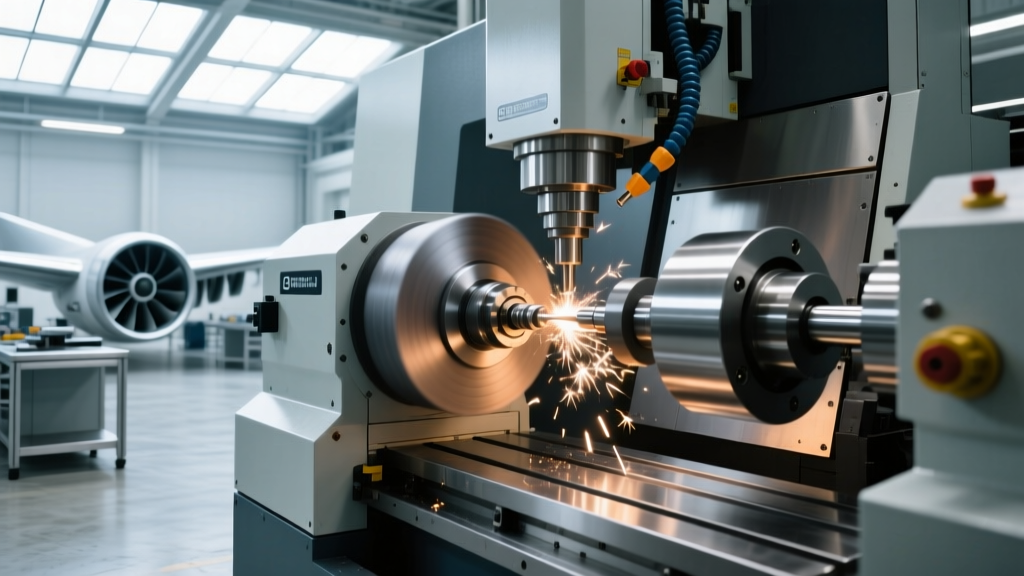
Modern CNC tool grinding machines, such as the ANCA TX7 Linear and the Walter Helitronic Vario, utilize direct-drive torque motors and linear axes to eliminate backlash. These machines are engineered for unattended operation, often running lights-out shifts with integrated robotic loaders.
Technical Capabilities and Cycle Times
A standard 5-axis CNC platform can grind a 1/2-inch (12.7mm) diameter, 4-flute solid carbide endmill from a blank in approximately 45 to 60 seconds. This includes roughing, semi-finishing, and finishing passes, plus in-process probing. The spindle speeds typically range from 8,000 to 12,000 RPM, delivering the high surface speeds necessary for modern superabrasive wheels.
According to industry data published by Modern Machine Shop, the integration of in-process optical measurement systems (like Zoller or Marposs) has reduced scrap rates in CNC tool grinding by up to 18% over the last three years, as the machine automatically compensates for wheel wear in real-time.
The True Cost of CNC Ownership
The base price for a mid-range 5-axis CNC tool grinding machine ranges from $250,000 to $350,000. However, buyers must account for the peripheral ecosystem:
- Software Licenses: Advanced simulation software like NUMROTO or proprietary OEM packages can add $10,000 to $15,000 annually or require a steep one-time perpetual license fee.
- Coolant Systems: High-pressure coolant chillers capable of delivering 70 to 100 bar are mandatory to prevent wheel loading when grinding carbide. These units cost between $15,000 and $25,000.
- Fire Suppression: Because CNC tool grinding predominantly uses oil-based coolants for superior lubricity and surface finish, automated fire suppression systems inside the enclosure are a strict insurance requirement, adding roughly $5,000 to the setup.
Manual and Universal Grinder Alternatives
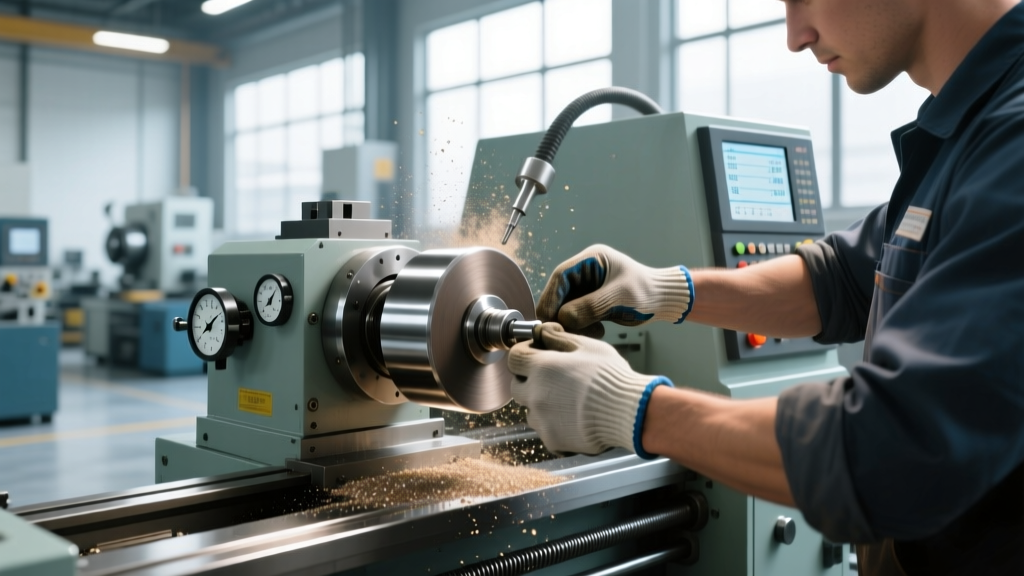
For job shops, toolrooms, and maintenance departments, a manual universal tool and cutter grinder (such as a refurbished Deckel S22 or a modern equivalent like the Universal #2) offers a vastly different value proposition. These machines rely on the tactile feedback and spatial reasoning of a skilled operator.
Where Manual Grinders Excel
Manual machines are unmatched in setup speed for single-piece resharpening. While a CNC machine might require 20 minutes of CAD/CAM programming and fixture setup to sharpen a single custom form tool, a skilled operator on a manual universal grinder can mount the tool, set the sine bar angles, and begin grinding in under 3 minutes.
However, the limitation is geometric complexity. Manual grinders struggle with variable helix angles, complex gash geometries, and tools requiring tight runout tolerances (under 0.0002 inches). Furthermore, as noted by the Society of Manufacturing Engineers (SME), the shrinking pool of highly skilled manual tool grinders makes relying solely on human-dependent machinery a long-term operational risk.
Head-to-Head ROI and Cost Matrix
The following table illustrates the operational differences between a modern 5-axis CNC tool grinding machine and a manual universal alternative based on 2026 market averages.
| Metric | 5-Axis CNC Tool Grinder | Manual Universal Grinder |
|---|---|---|
| Capital Cost | $250,000 - $450,000 | $15,000 - $45,000 |
| Setup Time (Standard Endmill) | 15 - 30 minutes (CAM & Fixturing) | 3 - 5 minutes (Manual Indicating) |
| Cycle Time (1/2" 4-Flute) | 45 - 60 seconds | 8 - 12 minutes |
| Operator Skill Required | CAM Programmer / Setup Tech | Master Toolmaker (Highly Specialized) |
| Breakeven Batch Size | 25+ pieces | 1 - 10 pieces |
| Tolerance Capability | ± 0.0001" (2.5 µm) | ± 0.0005" (12.5 µm) |
Abrasive Selection: Diamond vs. CBN for Tool Geometries
The profitability of any tool grinding machine is ultimately dictated by the grinding wheel. Selecting the wrong superabrasive bond will result in burned workpieces, excessive wheel wear, and catastrophic cycle time inflation.
Grinding Tungsten Carbide
For solid carbide tooling, diamond (SDC) wheels are mandatory. The industry standard has shifted heavily toward hybrid and vitrified bonds over traditional resin bonds. Vitrified diamond wheels hold their form significantly longer when grinding complex gashes and require less frequent truing. According to technical guidelines from Norton Abrasives, utilizing a vitrified diamond wheel with a 140-grit size for roughing and a 400-grit for finishing can reduce cycle times by 20% compared to older resin-bond equivalents, provided the machine can supply high-pressure coolant to clear the swarf.
Grinding High-Speed Steel (HSS) and Cobalt
If your shop primarily resharpens HSS or cobalt-alloy tooling (such as M42 or ASP series steels), diamond wheels will rapidly degrade due to the chemical affinity between carbon and iron at high grinding temperatures. Instead, Cubic Boron Nitride (CBN) wheels are required. CBN wheels operate optimally at surface speeds between 25 and 35 m/s. When using CBN on a manual universal grinder, operators must carefully manage spark-out passes to prevent thermal damage to the cutting edge, as HSS is highly susceptible to losing its temper if overheated.
Expert Insight: Never use a standard aluminum oxide wheel for final finishing on a CNC tool grinding machine when tight tolerances are required. While cheap, the wheel breakdown rate requires constant compensation, destroying the repeatability advantage of the CNC platform. Always invest in superabrasives for the finishing passes.
Hidden Costs: Metrology and Tooling
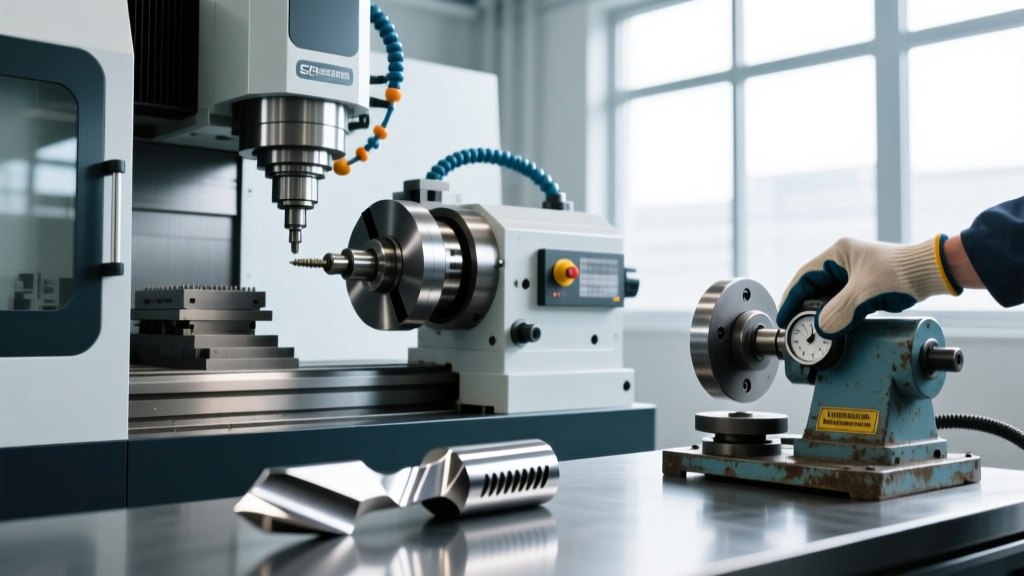
When comparing a CNC tool grinding machine to manual alternatives, buyers often overlook the metrology requirements. A CNC machine produces tools to sub-micron tolerances, but verifying those tolerances requires external or integrated measurement.
- Optical Tool Presetters: A high-end Zoller or Walter optical measuring machine is often necessary to verify helix angles, rake angles, and runout. These units cost between $40,000 and $80,000.
- Wheel Balancing: CNC spindles running at 10,000+ RPM require dynamic wheel balancing. Failure to balance a diamond wheel pack will result in chatter marks on the tool's flute surface and premature spindle bearing failure.
- Collet and Chuck Maintenance: Hydraulic chucks and precision ER collets wear out. Budget $5,000 annually for replacing workholding components to maintain strict TIR (Total Indicator Runout) limits.
The 2026 Purchasing Verdict
The choice between a CNC tool grinding machine and a manual universal grinder is not about which technology is inherently superior, but rather which aligns with your shop's specific production geometry and volume.
If your business model relies on manufacturing proprietary cutting tools, producing aerospace-grade form tools, or running batch sizes that justify the 20-minute setup time, a 5-axis CNC platform is a non-negotiable investment. The integration of linear motors and automated wheel changers ensures that your cost-per-tool drops dramatically as volume scales.
Conversely, if you operate a maintenance facility, a localized resharpening service, or a prototype toolroom where batch sizes rarely exceed five pieces, a manual universal grinder remains the most financially sound alternative. It eliminates the overhead of CAM programming, expensive coolant chillers, and optical metrology, relying instead on the immediate, tactile problem-solving capabilities of a master toolmaker.