What Roller Skids for Moving Heavy Equipment Use Rollers Made Of
Discover what roller skids for moving heavy equipment use rollers made of. Compare polyurethane, nylon, and steel wheels for moving vibratory compactors.
The Hidden Risk: Why Wheel Material Matters When Moving Compactors
Moving a 14-ton BOMAG BW 211 vibratory roller across a shop floor or positioning it onto a lowboy trailer requires precision rigging. While hydraulic toe jacks handle the vertical lift, horizontal translation relies entirely on machine skates. When sourcing this gear, understanding what roller skids for moving heavy equipment use rollers made of is the difference between a smooth rollout and a catastrophic floor failure. Compaction equipment presents unique rigging challenges: massive static weight, high centers of gravity, and uneven weight distribution between the steel drum and the engine compartment.
Real-World Failure Modes of Inferior Skid Rollers
Using generic, under-specified skates for multi-ton soil compactors leads to three primary failure modes in heavy equipment yards:
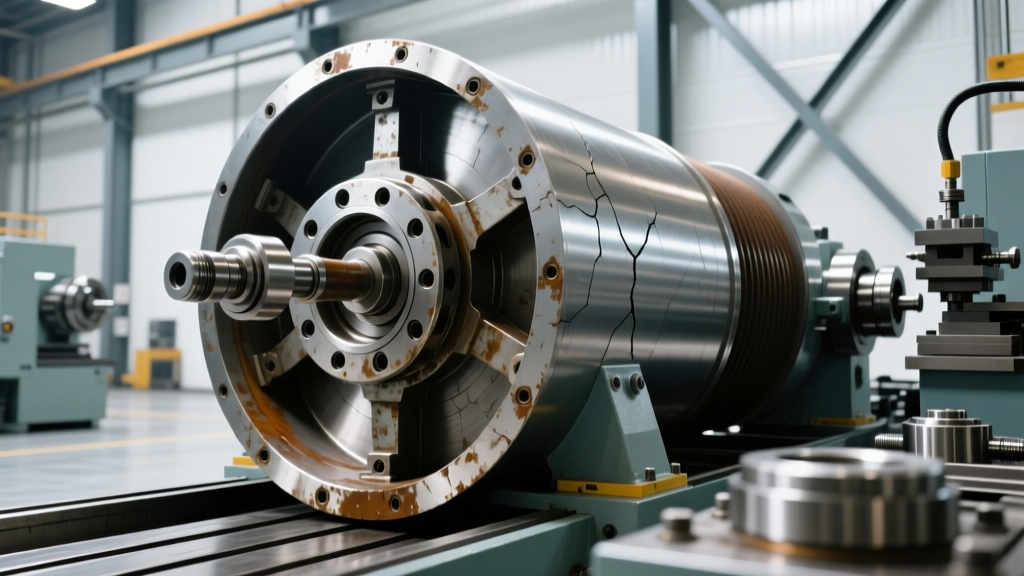
- Flat-Spotting: Leaving a 15-ton roller parked on 85A Shore polyurethane wheels over a weekend causes permanent deformation, resulting in a ruined skate.
- Polyurethane Delamination: The bond between the PU tread and the steel core fails under the sheer stress of turning an articulated compactor, stripping the wheel down to bare metal.
- Bearing Seizure: Vibratory compactors often retain residual vibration or are moved immediately after operation. Cheap, unsealed bearings ingest concrete dust and lock up mid-move.
According to OSHA material handling guidelines, riggers must account for dynamic load shifts. When moving a heavy compactor over an uneven concrete joint, up to 80% of the total weight can momentarily transfer to a single skate. Always size your skates based on the maximum point load, not the evenly distributed static weight.
Material Breakdown: What Roller Skids for Moving Heavy Equipment Use Rollers Made Of
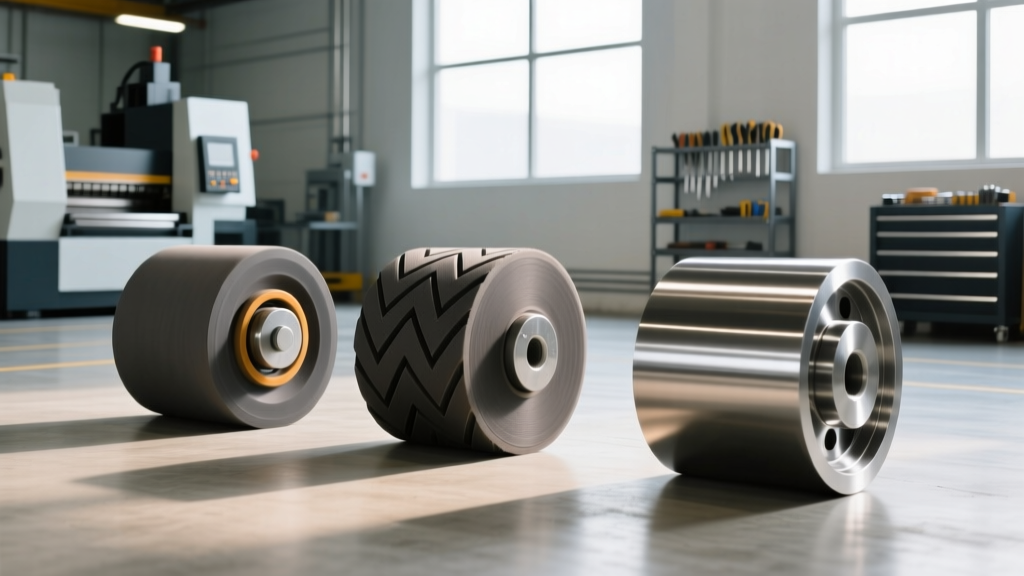
The wheel material dictates the skate's load capacity, rolling resistance, and floor compatibility. Here is the engineering breakdown of the three dominant materials used in heavy-duty machine skates.
| Wheel Material | Shore Hardness | Ideal Surface | Max Load / Wheel | Avg Cost (per skate) |
|---|---|---|---|---|
| Polyurethane (PU) | 92A - 95A | Epoxy, Sealed Concrete | 6,000 lbs | $450 - $750 |
| Cast Nylon (PA6) | 85D Shore | Steel Plates, Rough Asphalt | 12,000 lbs | $300 - $500 |
| Forged Steel | N/A (Metal) | Heavy Timber, Outdoor Dirt | 15,000+ lbs | $550 - $900 |
1. Polyurethane (PU): The Shop Floor Standard
For indoor maintenance bays and sealed concrete yards, 95A Shore hardness polyurethane is the undisputed standard. PU offers a high coefficient of friction, meaning the skate will track predictably without slipping sideways when towing a pneumatic-tired compactor. The elastomeric nature of PU absorbs micro-vibrations, protecting the shop floor from spalling. However, PU is susceptible to chemical degradation from hydraulic fluid leaks—a common issue on older vibratory rollers. If your compactor has a known leak, you must use a steel or nylon skate, or lay down a protective track mat.
2. Cast Nylon (PA6): The High-Capacity Workhorse
When moving massive 25-ton pneumatic compactors (like the Cat CW34) over rough asphalt or temporary steel road plates, cast nylon wheels excel. Nylon has a significantly higher compressive strength than PU, allowing for smaller wheel diameters that carry immense loads. The trade-off is floor damage: nylon wheels will easily crack standard indoor concrete if a small rock or steel nut becomes trapped between the wheel and the floor.
3. Forged Steel: For Extreme Outdoor Environments
Steel-on-steel or steel-on-timber skates are reserved for outdoor salvage yards, rail loading docks, and heavily degraded surfaces. They offer the lowest rolling resistance but provide zero shock absorption. When using steel skates, the ASME B30.20 standard for rigging hardware dictates that operators must ensure the lifting/moving path is entirely clear of debris, as steel wheels will not roll over obstacles; they will wedge and tip the load.
Selecting Skates for Specific Compaction Machinery
The Articulation Challenge: Steering Skates for Tandem Rollers
Most modern vibratory soil rollers feature an articulated chassis. The front drum pivots independently of the rear engine compartment. If you place a standard fixed skate under the articulation joint, the machine will bind, the skate will kick out, and the compactor will drop. The Rule: For articulated compactors, you must use a heavy-duty steering skate (with a turntable bearing) positioned directly under the front drum frame, and two fixed skates under the rear axle. Never place a skate on the pivot pin itself.
Walk-Behind Plate Compactors and Trench Rollers
For lighter compaction equipment (under 2,000 lbs) such as walk-behind plate compactors or trench rollers, standard PU skates are overkill. Aluminum-bodied skates with high-density rubber wheels are sufficient, costing roughly $150 per set. These provide adequate floor protection without the heavy rolling resistance of industrial steel-core skates.
"The biggest mistake yard managers make is dividing the compactor's total operating weight by four to determine skate capacity. Compactors are heavily front-biased due to the solid steel drum. A 20,000 lb roller might put 14,000 lbs on the front skate alone. Always rate your front steering skate for at least 60% of the machine's total GVW."
Buying Guide: Top Brands and Pricing Tiers
When procuring skates for heavy compaction equipment, avoid unbranded import skates found on general marketplaces. The turntable bearings on cheap steering skates frequently fail under the asymmetric loads of a vibratory drum. Invest in engineered brands:
- GCS (Guenther Clausen System): The premium tier. Known for sealed, maintenance-free precision bearings and proprietary PU compounds that resist hydraulic fluid. Expect to pay $800+ per heavy-duty steering skate.
- Heberlein & Co: Excellent mid-tier option. Their tandem skate systems are ideal for long-wheelbase pneumatic compactors. Pricing averages $400-$600 per skate.
- SKATE-LIFT (or equivalent regional brands): Budget-friendly but reliable for nylon and steel wheel configurations. Best for outdoor yard moves where floor protection is not a priority. Sets of 4 range from $900 to $1,200.
Step-by-Step: Safely Mounting a 12-Ton Vibratory Roller on Skates
Follow this exact sequence to rig an articulated vibratory roller for horizontal movement. This assumes the use of a 3-point skate system (1 steering, 2 fixed).
- Surface Prep: Sweep the concrete path. Even a 10mm steel bolt can shatter a nylon wheel or delaminate a PU wheel under a 12-ton point load.
- Front Lift: Position a 20-ton hydraulic toe jack under the reinforced lifting eye on the front drum frame. Lift until the drum clears the ground by exactly 2 inches.
- Steering Skate Placement: Slide the turntable steering skate under the frame. Ensure the skate's load pad is seated flat against the machine's steel crossmember, not against hydraulic hoses or articulation cylinders.
- Rear Lift: Move to the rear axle. Use two synchronized toe jacks (or a heavy-duty axle lift) to raise the rear tires off the ground.
- Fixed Skate Placement: Slide the two fixed skates under the rear axle housings. Verify that the skate's toe is fully engaged and the load is centered on the wheel axis.
- Tow Bar Attachment: Attach the tow bar to the steering skate's pull ring. Connect to a forklift or tugger using a rated chain. Never push a loaded compactor from the rear; always pull from the front steering skate to maintain directional control.
- The Move: Maintain a walking pace (max 2 mph). Avoid sharp turns; the articulation joint of the compactor will amplify the turning radius of the skates.
By matching the exact wheel material to your facility's floor conditions and the specific weight distribution of your compaction fleet, you eliminate rigging downtime and prevent thousands of dollars in floor and equipment damage.