Service Schedules for Railroads Fittings CNC Machining in Texas
Discover precise maintenance schedules for CNC post-processing and secondary operations used in manufacturing railroads fittings in Texas.
The Hidden Toll of Secondary Operations on CNC Equipment
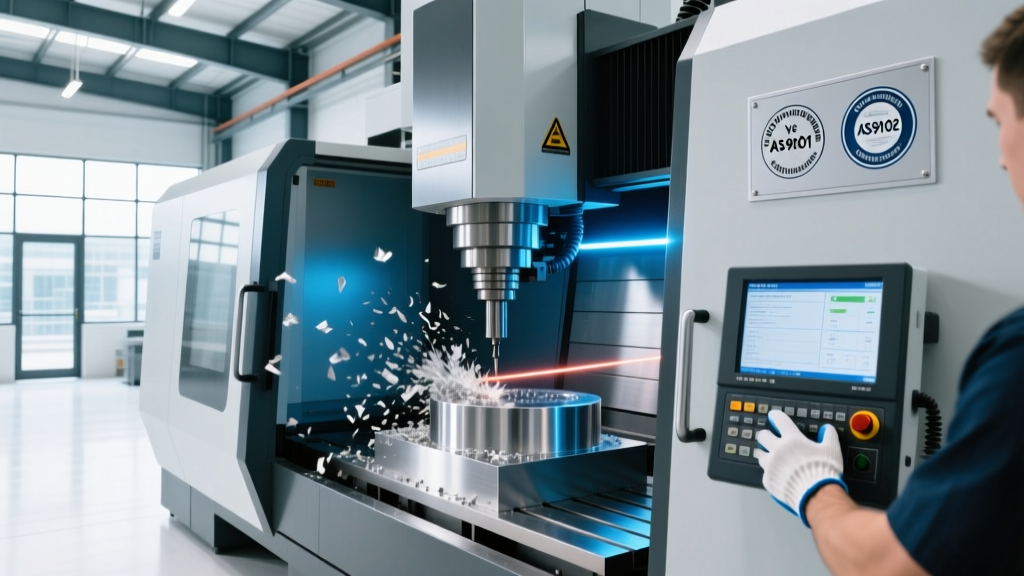
Primary CNC milling and turning often dictate the baseline maintenance schedule for a machine shop. However, when manufacturing critical railroads fittings—such as coupler knuckles, draft gear housings, and brake rigging components—the post-processing and secondary operations introduce severe, asymmetric mechanical loads. In Texas, where high-volume rail supply chains in Houston and Fort Worth demand continuous output, CNC machining cells dedicated to secondary operations like broaching, thread milling, and induction hardening face accelerated wear.
Unlike primary material removal, which utilizes steady radial and axial forces, secondary operations generate high-impact shock loads, abrasive micro-swarf, and extreme thermal cycling. Failing to adapt your maintenance and service schedules to these specific post-processing realities results in catastrophic spindle failure, ball screw backlash, and out-of-tolerance AAR (Association of American Railroads) compliance rejects.
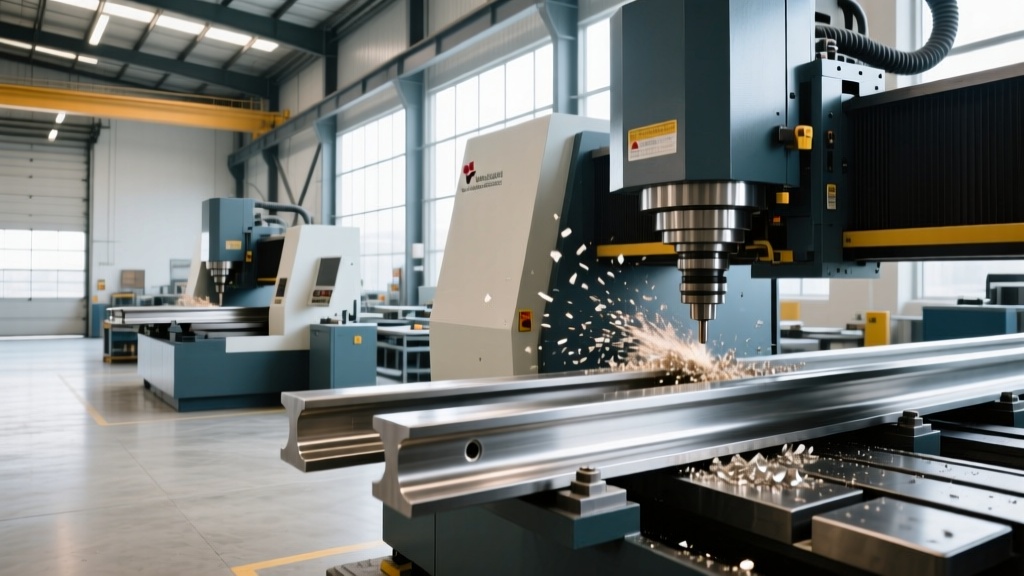
⚠️ CRITICAL WARNING: Machining AAR M-201 Grade E steel for coupler knuckles generates highly abrasive, work-hardened micro-chips during secondary broaching. If way covers are not inspected weekly, this debris infiltrates the linear guideways, causing premature failure that typically costs between $18,000 and $24,000 to repair on a standard horizontal machining center.Core Post-Processing Operations for Texas Railroad Fittings
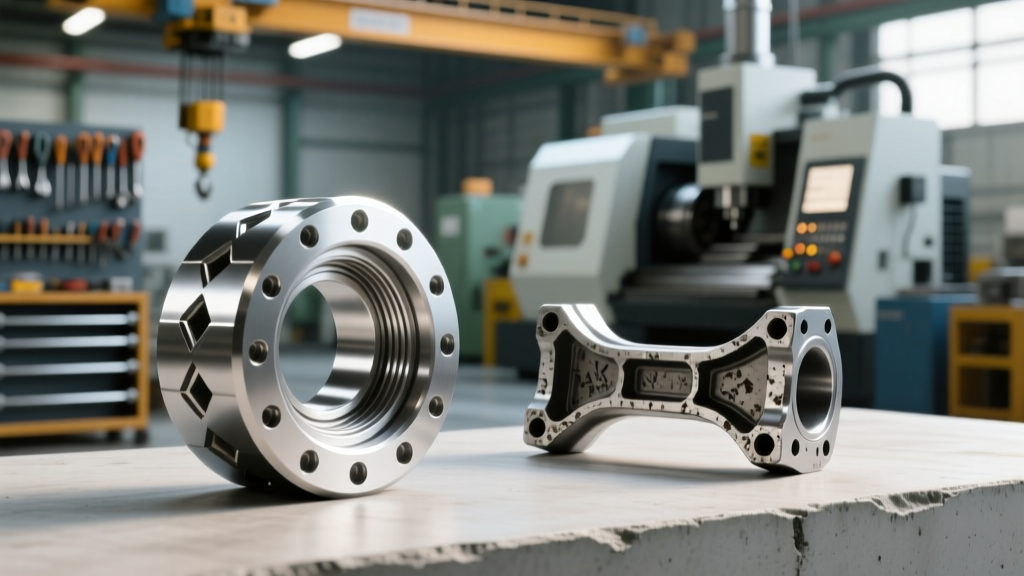
To establish an accurate service schedule, we must first map the specific secondary operations to their mechanical stress factors. The following matrix outlines the primary post-processing steps required for heavy rail fittings and their corresponding impact on CNC hardware.
| Secondary Operation | Application (Railroad Fitting) | Machine Stress Factor | Critical Maintenance Interval |
|---|---|---|---|
| CNC Broaching | Coupler Knuckle Keyways | Extreme axial thrust & shock loading | Bi-weekly ball screw backlash check |
| CNC Thread Milling | Brake Pipe Fittings (4140 Steel) | High torque, low speed spindle lugging | Monthly spindle vibration analysis |
| Surface Grinding | Draft Gear Wear Plates | Abrasive dust, coolant contamination | Daily tramp oil skimming & filter flush |
| Induction Hardening | Center Sills & Striker Plates | Thermal expansion, quench fluid mess | Quarterly way-wiper & seal replacement |
Preventative Maintenance Schedules for Secondary CNC Cells
Standard OEM maintenance manuals assume general-purpose milling. For a Texas-based machine shop dedicated to railroad fittings, the service schedule must be compressed and specialized. As of 2026, leading contract machinists utilize the following accelerated timeline to maintain the tight tolerances required by federal and industry regulators.
Daily & Shift-Level Checks: Coolant and Debris Management
Secondary operations like thread milling and surface grinding rely heavily on metalworking fluids (MWF) to prevent galling and manage heat. According to OSHA guidelines on metalworking fluids, maintaining fluid integrity is both a machine health and operator safety imperative.
- Concentration Verification: Use a digital refractometer every shift. For thread milling 4140 alloy brake fittings, maintain an 8-10% concentration. Dropping below 7% causes micro-welding on the thread mill cutter, snapping the tool and damaging the spindle taper.
- Tramp Oil Skimming: Surface grinding draft gear plates introduces way oil into the coolant tank. Run centrifugal skimmers continuously and manually verify the skim rate at the end of every 10-hour shift.
- Chip Conveyor Purge: Broaching Grade E steel produces stringy, interlocking chips. Manually clear the conveyor hinges at shift change to prevent motor burnout.
Weekly & Bi-Weekly Calibration: Thrust and Backlash
The axial forces generated during CNC broaching and heavy tapping operations slowly push the machine table out of squareness and induce ball screw backlash.
- Ball Screw Backlash Measurement: Every 500 operating hours (roughly bi-weekly in a 24/7 Texas rail hub), use a laser interferometer or a high-precision dial indicator to check X and Y axis backlash. Tolerances for brake rigging fittings demand backlash remains below 0.0003 inches.
- Way Cover Inspection: Manually extend and retract all telescopic way covers. Look for micro-tears in the polyurethane seals. The abrasive nature of rail steel dust means a torn seal will destroy linear guideways within 72 hours of operation.
- Tool Holder Taper Cleaning: Secondary operations require frequent tool changes. Clean the spindle taper and tool holder tapers (CAT50 or HSK-A100) with a specialized taper cleaning tool every Friday to prevent fretting corrosion.
Quarterly & Annual Overhauls: Spindle and Thermal Dynamics
Heavy secondary operations generate immense localized heat, affecting the machine's thermal growth compensation algorithms.
- Spindle Vibration Analysis: Every 1,000 hours, perform a vibration analysis on the spindle assembly following ISO 10816 standards. Thread milling operations often mask early bearing degradation; a baseline velocity reading above 1.5 mm/s indicates impending bearing failure.
- Thermal Compensation Recalibration: Texas machine shops face extreme ambient temperature swings, particularly in facilities without total climate control. Recalibrate the machine’s thermal displacement sensors quarterly to ensure Z-axis growth does not push coupler knuckle bore depths out of the ±0.001-inch tolerance.
"Traceability in secondary operations is non-negotiable. When a railroad fitting fails in the field, the FRA and AAR will trace the failure back to the specific machine, tool lot, and maintenance record. A skipped bi-weekly backlash check isn't just a maintenance oversight; it's a massive liability under 49 CFR Part 215 Freight Car Safety Standards."
— Director of Quality Assurance, Tier 1 Rail Supplier, Fort Worth, TX
Cost-Benefit Analysis: Scheduled Downtime vs. Catastrophic Failure
Shop managers often resist aggressive maintenance schedules due to the perceived loss of billable spindle hours. However, the economics of heavy rail manufacturing heavily favor preventative downtime.
Financial Impact Matrix (Per 5-Axis CNC Cell)
Preventative Maintenance Downtime: 4 hours/week @ $120/hr shop rate = $480/week lost revenue
Catastrophic Spindle Failure (Broaching Overload):
- Replacement Spindle (OEM): $28,000
- Labor & Calibration: $6,500
- Lead Time Downtime (4 weeks): $33,600 lost capacity
- Total Cost: $68,100 + Scrap/Rework Penalties
ROI on strict adherence to secondary operation schedules yields a 14:1 return on investment within the first fiscal year.
Texas Environmental Factors: Humidity and Rust Prevention
A unique challenge for CNC machining post-processing in Texas, particularly along the Gulf Coast and in Houston, is the extreme ambient humidity. After secondary operations like surface grinding or induction hardening, railroad fittings are highly susceptible to flash rusting before they can be moved to the assembly or coating department.
Maintenance schedules must include the automated application of water-displacing rust preventatives (e.g., CRC 3-36 or equivalent industrial VCI fluids) directly on the CNC pallet pool. Furthermore, machine tool electrical cabinets in high-humidity Texas zones require quarterly inspection of the cabinet dehumidifiers and AC chillers to prevent condensation from shorting out the PLC boards that control secondary post-processing automation.
Frequently Asked Questions (FAQ)
How often should I replace the way wipers on a CNC broaching machine used for rail steel?
For machines dedicated to broaching AAR Grade E steel, standard OEM recommendations of 6-month replacements are insufficient. Replace polyurethane way wipers every 800 to 1,000 operating hours, or every 3 months, to prevent abrasive micro-dust from scoring the linear rails.
Does post-processing induction hardening affect the CNC machine's geometry?
Yes. If the induction hardening unit is integrated into the CNC cell or located immediately adjacent, the radiant heat and quench fluid vapor can cause localized thermal expansion of the machine casting. You must run a thermal stabilization cycle (warm-up program) for 15 minutes before machining critical tolerances after the hardening unit has been active.
What is the best coolant filtration setup for CNC thread milling brake fittings?
Thread milling 4140 and 4340 steel requires pristine coolant to prevent tool deflection and galling. Utilize a multi-stage filtration system: a primary drum filter at 50 microns, followed by a secondary bag filter at 20 microns, and a final centrifugal separator. Check bag filter differential pressure gauges daily to ensure flow rate consistency.