How Hanoi CNC Machining Services Engineer Architectural Facades
Explore how Hanoi CNC machining services engineer complex architectural metalwork and facades, covering 5-axis specs, tolerances, and material choices.
The Intersection of Parametric Design and Precision Machining
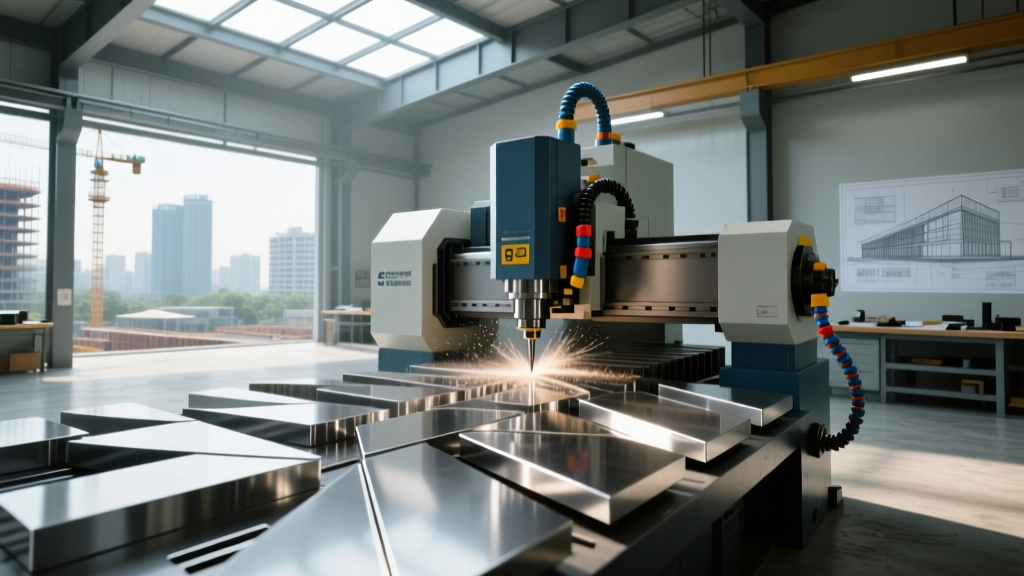
Modern architectural metalwork has shifted from flat curtain walls to complex, parametric geometries. Hyperbolic paraboloids, double-curved mullions, and multi-axis structural nodes cannot be produced via traditional extrusion or stamping. This is where specialized Hanoi CNC machining services have carved a critical niche in the global supply chain. By leveraging advanced 5-axis simultaneous milling and localized metallurgical expertise, machine shops in Vietnam's capital are now supplying high-precision facade components to Tier-1 architectural firms globally. This technical guide breaks down the exact specifications, material science, and machining workflows required to manufacture architectural facade systems.
Supply Chain Context: As of 2026, Hanoi's industrial zones (such as Thang Long and Quang Minh) host over 40 specialized precision engineering firms equipped with European and Japanese 5-axis CNC centers. The region offers a 35-45% cost advantage over Western European machine shops for high-mix, low-volume architectural nodes, driven by competitive engineering labor and mature anodizing supply chains.Core Technical Specifications for Facade Machining
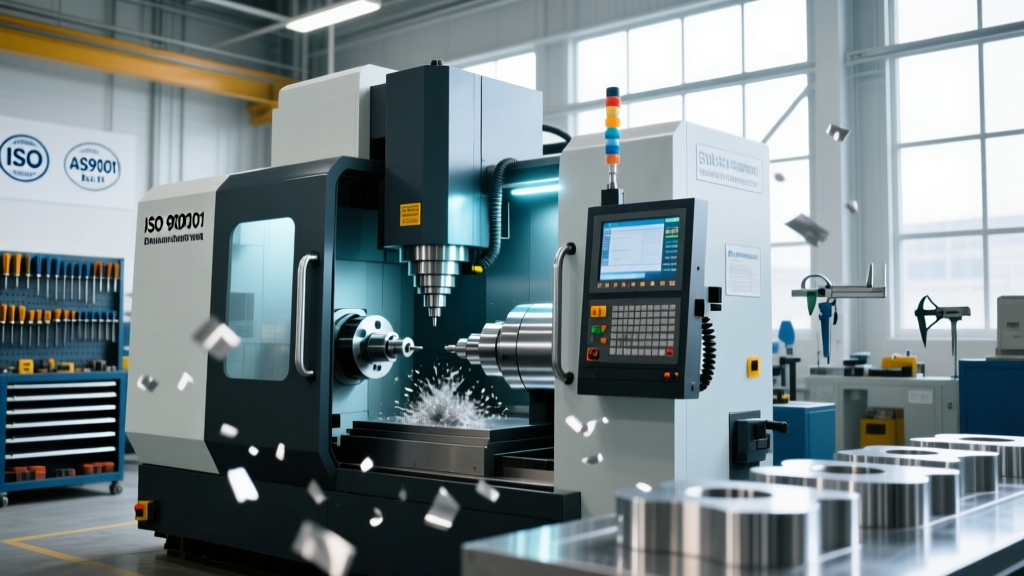
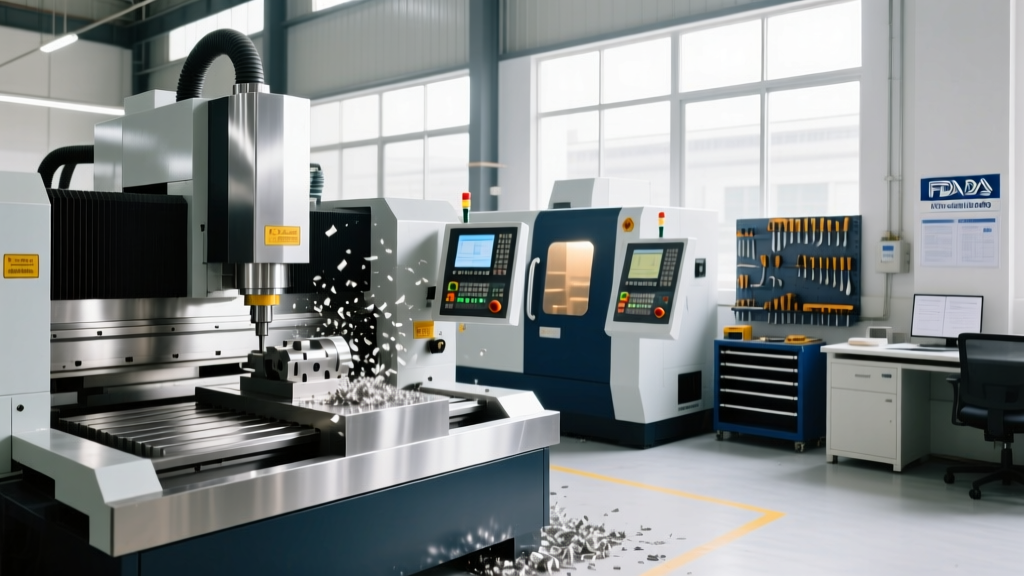
Architectural facade components fall into two primary categories: structural nodes (the complex joints connecting mullions and glass panels) and cladding brackets. The machining requirements for these differ vastly in terms of machine kinematics and rigidity.
| Machine Platform | Kinematic Type | Spindle Specs | Ideal Facade Component |
|---|---|---|---|
| DMG MORI DMU 50 3rd Gen | 5-Axis Simultaneous (Trunnion) | 15,000 RPM, HSK-A63 | Aluminum parametric nodes, thin-wall brackets |
| Haas UMC-750 | 5-Axis Simultaneous (Trunnion) | 12,000 RPM, ISO 40 Taper | Mid-sized steel/aluminum mullion connectors |
| Grob G550 | 5-Axis Universal (Horizontal) | 12,000 RPM, HSK-A100 | Heavy structural steel nodes, large castings |
For double-curved aluminum nodes, the high-speed spindle (15,000+ RPM) of the DMU 50 is critical for achieving the Ra 0.8 µm surface finish required for subsequent Type II anodizing without manual polishing. Conversely, when machining 316L stainless steel nodes for coastal environments, the high-torque, rigid HSK-A100 interface of the Grob G550 prevents chatter during heavy roughing passes.
Material Science in Architectural Metalwork
Selecting the correct alloy is the first engineering hurdle. Facade materials must withstand decades of UV exposure, thermal cycling, and environmental corrosion while maintaining tight dimensional stability.
Aluminum Alloys: 5052-H32 vs. 6061-T6
While 6061-T6 is the default for general CNC machining, it is not always optimal for facades. 5052-H32 (an aluminum-magnesium alloy) is increasingly specified by Hanoi machine shops for coastal or high-humidity architectural projects. It offers superior resistance to saltwater corrosion and better fatigue strength under wind-load vibration. However, 5052 is gummier and more prone to built-up edge (BUE) during machining. To counter this, CNC programmers must use uncoated carbide end mills with highly polished flutes and aggressive flood coolant (minimum 70 bar pressure) to clear chips from deep node pockets.
Stainless Steel and Work Hardening
When structural loads exceed aluminum's yield strength, 316L stainless steel is mandated. Machining 316L for facade brackets requires strict adherence to trochoidal milling paths. Because 316L work-hardens rapidly, traditional step-downs that allow the tool to rub against the material will destroy the cutting edge and warp the part. Hanoi shops mitigate this by maintaining a constant radial engagement (typically 5-8% of tool diameter) and utilizing through-tool coolant to manage the extreme heat generated at the shear zone.
The 5-Axis Milling Workflow for Parametric Nodes
Producing a batch of 500 unique, parametrically generated facade nodes requires a seamless digital thread from CAD to the machine bed. Here is the standard technical workflow utilized by top-tier Hanoi CNC machining services:
- Algorithmic CAM Programming: Nodes are generated in Rhino/Grasshopper. The geometry is imported into Mastercam or hyperMILL. Automated feature recognition (AFR) scripts identify bolt holes, mullion seating pockets, and O-ring grooves.
- Workholding Strategy: Standard vises fail on organic shapes. Shops machine custom 'nesting' fixtures from high-density polyurethane or use low-profile vacuum chucks. For 5-sided machining, a specialized dovetail undercut is milled into the raw billet's base to allow secure clamping via a single 5-axis vise jaw.
- Adaptive Roughing: Using dynamic motion toolpaths (e.g., Mastercam's Accelerated Finishing), the bulk material is removed while maintaining a constant tool load. This reduces cycle times by up to 40% compared to traditional offset roughing.
- Simultaneous 5-Axis Finishing: Ball-nose and barrel cutters (like those from Emuge-Franken) are used for sweeping, continuous 5-axis contouring. The stepover is strictly maintained at 0.05mm to 0.1mm to achieve the required optical smoothness for architectural sightlines.
- On-Machine Probing: A Renishaw OMP600 touch probe verifies critical mating surfaces before the part is unclamped, ensuring thermal drift hasn't compromised the ±0.05mm tolerance.
Thermal Expansion Warning: Architectural aluminum expands at roughly 23 µm/m·°C. If a 1-meter mullion node is machined at 22°C but measured in a QC room at 18°C, the 4°C differential introduces a 92-micron error. Elite Hanoi shops maintain strict climate control (20°C ±1°C) in both the machining and metrology bays to comply with ISO 1 standard reference temperatures.
Tolerance Stacking in Curtain Wall Systems
The most common failure mode in CNC-machined facades is not the individual part being out of spec, but tolerance stacking during assembly. According to guidelines published by the American Architectural Manufacturers Association (AAMA), curtain wall systems must accommodate building sway and thermal expansion without inducing stress fractures in the glass.
Therefore, Hanoi CNC services apply a bifurcated tolerance strategy:
- Critical Mating Features (O-ring grooves, pin holes, bolt circles): Machined to ±0.025mm to ±0.05mm. These features dictate the structural integrity and weather-tightness of the node.
- Non-Critical Architectural Surfaces (Outer cosmetic profiles): Machined to ±0.5mm to ±1.5mm. This prevents over-machining, reduces cycle time, and lowers the cost per part without affecting the visual or structural outcome.
Cost Metrics and Sourcing Data (2026)
Understanding the cost breakdown is essential for procurement managers sourcing architectural metalwork from Vietnam. Below is a realistic cost matrix for a standard 5-axis aluminum facade node (approx. 250mm x 250mm x 150mm, starting from a 15kg 6061-T6 billet):
| Cost Component | Hanoi Average Rate | Notes |
|---|---|---|
| 5-Axis Machine Time | $55 - $85 / hour | Depends on spindle RPM and machine brand |
| CAM Programming & Setup | $150 - $250 per variant | Amortized over the batch size |
| Material (6061-T6 Billet) | $4.50 - $6.00 / kg | Includes 15% scrap/waste allowance |
| Type II Anodizing (Clear) | $0.80 - $1.50 / dm² | MIL-A-8625 spec, locally sourced in Hanoi |
Frequently Asked Questions
Can Hanoi CNC shops handle the post-machining finishing for facades?
Yes. The Hanoi metropolitan area has a highly developed surface treatment ecosystem. Most top-tier CNC shops either have in-house anodizing lines or partner with specialized local facilities capable of executing architectural-grade powder coating (Qualicoat certified) and PVDF (fluoropolymer) coatings required for 20+ year exterior durability.
How do you manage IP and CAD security when sending parametric models overseas?
Reputable Hanoi CNC machining services operate under strict NDA frameworks and utilize secure, encrypted PLM (Product Lifecycle Management) portals for file transfers. For highly sensitive projects, shops can run the CAM programming locally on your servers and only accept the compiled, encrypted machine code (G-code) and setup sheets, ensuring the raw 3D geometry never leaves your local network.
What is the typical lead time for a 1,000-piece run of unique facade nodes?
For a batch of 1,000 parametrically unique nodes (where every part is slightly different), expect a lead time of 6 to 9 weeks. This accounts for 2 weeks of CAM programming and simulation, 1 week for custom fixture machining, and 3-5 weeks of 24/7 unmanned lights-out machining and post-processing. Logistics and sea freight to major global ports will add an additional 3 to 5 weeks.