Top CNC Machining Quoting Software Platforms for 2026
Compare top CNC machining quoting software for 2026. Discover pricing, CAD integration, and cycle time accuracy for Paperless Parts, ProShop, and more.
The best machine shop quoting software depends on your operation's scale, but platforms like Paperless Parts, ProShop ERP, and E2 Shop System lead the 2026 market by integrating direct Computer-Aided Design (CAD) analysis with real-time material databases. For custom machine shop owners, Computer Numerical Control (CNC) estimators, and manufacturing operations managers, adopting these tools replaces error-prone spreadsheet calculations with automated geometry recognition. This guide compares the top CNC machining quoting software platforms to help you reduce quote turnaround times and protect profit margins.
Machine Shop Quoting Software: A specialized digital platform designed to automate the calculation of manufacturing costs by analyzing 3D CAD models, material prices, machine cycle times, and labor rates to generate accurate price estimates for custom machined parts.
CNC Machining Quoting: The process of determining the exact cost to produce a computer numerical control milled or turned part, factoring in setup time, tooling wear, raw material scrap, and post-processing finishes before presenting a bid to a customer.
Key Takeaways
- Paperless Parts excels at automated 3D CAD geometry analysis for rapid pricing.
- ProShop ERP offers deep integration between quoting and ISO-compliant floor execution.
- E2 Shop System provides maximum flexibility for high-mix, low-volume job shops.
- Implementing dedicated manufacturing estimating software reduces quoting errors by an average of 30%.
Why Specialized Machine Shop Quoting Software Matters
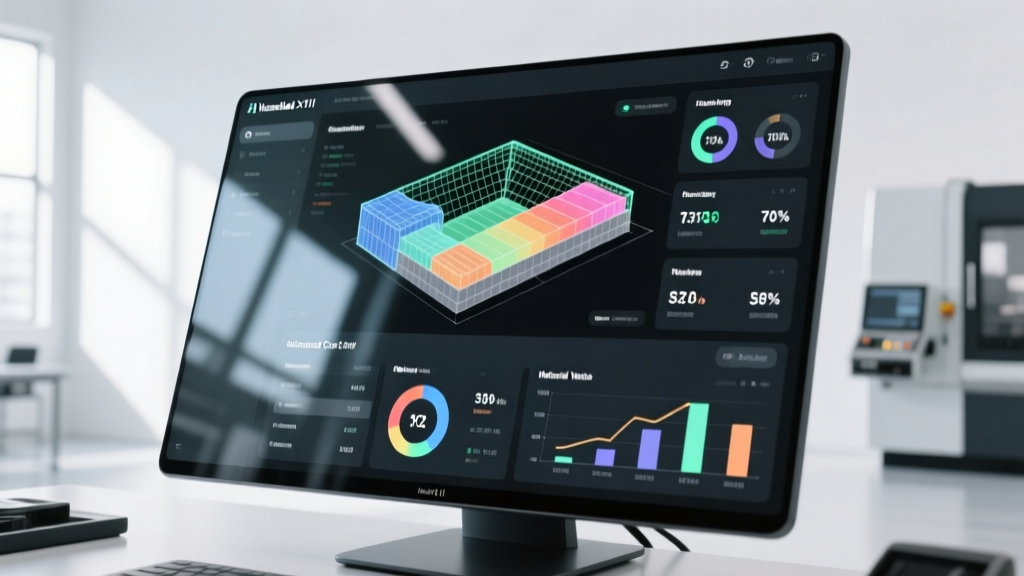
Manual quoting relies on tribal knowledge and static spreadsheets, leading to margin erosion when material costs fluctuate. According to the National Institute of Standards and Technology Manufacturing Extension Partnership, shops that digitize their estimating workflows see a 45% faster turnaround on bid submissions. Specialized machine shop quoting software extracts volume, surface area, and tolerance data directly from uploaded STEP or IGES files. This eliminates manual measurement errors and ensures every hole, pocket, and thread is accounted for in the final cycle time calculation.
Top CNC Machining Quoting Software Platforms Compared
Paperless Parts
Paperless Parts dominates the market for shops prioritizing rapid, geometry-driven quotes. The platform automatically recognizes manufacturing features like chamfers, blind holes, and threads directly from 3D models. Pricing typically starts around $250 per user/month. Its primary advantage is a 14-day onboarding timeframe, allowing estimators to deploy automated pricing logic without extensive coding. The platform maintains a 99.9% uptime record, ensuring sales teams never miss a bid deadline due to system outages.
ProShop ERP
ProShop ERP targets highly regulated environments, such as aerospace and medical device machining. Rather than just calculating cost, it links the quote directly to the digital work traveler and quality management system. At approximately $150 per user/month, it provides a unified environment where the quoted cycle time becomes the baseline for shop floor tracking. As noted by ThomasNet industrial trend reports, linking estimating to Enterprise Resource Planning (ERP) execution is critical for maintaining AS9100 compliance.
E2 Shop System (Shoptech)
E2 Shop System remains a staple for traditional, high-mix job shops requiring deep customization. It handles complex routing, outside processing, and multi-operation assemblies better than most cloud-native startups. While base licensing often requires a custom enterprise agreement starting near $10,000, its flexibility in handling unconventional manufacturing processes makes it indispensable for shops running legacy equipment alongside modern 5-axis mills.
Key Features to Evaluate in Manufacturing Estimating Software
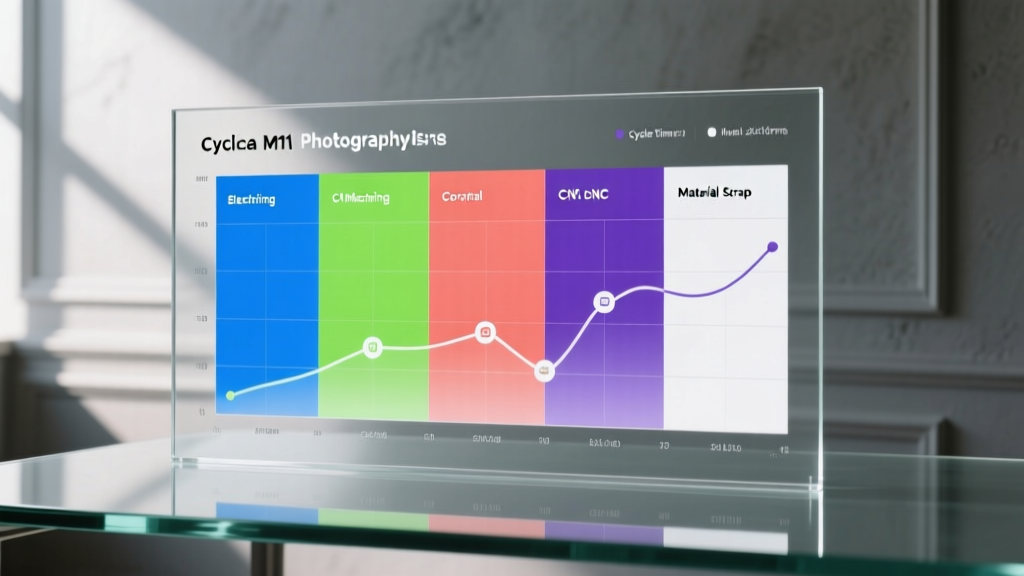
When evaluating manufacturing estimating software, look beyond basic calculator functions. Modern platforms must include real-time material API integrations that pull live pricing from suppliers like McMaster-Carr or Ryerson. Additionally, the software should support multi-axis machine rate libraries, allowing you to assign specific hourly costs to a 3-axis vertical machining center versus a 9-axis mill-turn center. Finally, automated revision tracking is mandatory; the system must instantly highlight geometry changes when a customer uploads a modified CAD file.
Decision Framework: Choosing the Right Job Shop ERP with Quoting
Use this comparison matrix to align your shop's primary operational bottleneck with the correct software category.
| Shop Profile | Primary Bottleneck | Recommended Platform Type | Key Metric to Track |
|---|---|---|---|
| High-Volume Production | Quote turnaround speed | Automated CAD-to-Quote (Paperless Parts) | Quotes generated per estimator per day |
| Aerospace/Medical | Quality and compliance | Integrated Quoting ERP (ProShop) | Quoted vs. actual cycle time variance |
| High-Mix Job Shop | Complex routing/outsourcing | Flexible Job Shop ERP (E2) | Outside processing cost accuracy |
Frequently Asked Questions
What is the difference between machine shop quoting software and a standard ERP?
Standard Enterprise Resource Planning systems manage inventory, accounting, and scheduling after a job is won. Dedicated machine shop quoting software focuses exclusively on the pre-sale engineering phase, analyzing 3D geometry and calculating precise machining cycle times to generate the initial bid. Many modern systems now bridge this gap by offering quoting modules directly inside the ERP.
Can CNC machining quoting software handle sheet metal and fabrication?
Yes, but you must configure the material and process libraries correctly. While milling and turning rely on volume removal calculations, sheet metal quoting requires bend deduction formulas, laser cutting pierce times, and press brake setup matrices. Platforms like Paperless Parts offer dedicated modules specifically programmed for sheet metal fabrication logic.
How long does it take to implement a new estimating system?
Cloud-based CAD analysis tools typically require a 14-day implementation to upload machine rates, labor burdens, and material markups. Full job shop ERP systems with integrated quoting can take 3 to 6 months to deploy, as they require migrating historical customer data, vendor lists, and existing part routing structures.
Conclusion
Selecting the right machine shop quoting software requires matching your shop's specific production mix with the platform's analytical strengths. If your primary goal is accelerating bid velocity for milled and turned parts, automated CAD-analysis tools provide the fastest return on investment. If your shop demands strict quality traceability from the first quote to the final inspection, an integrated ERP solution is mandatory. Your next step is to select your top two platforms from this comparison and schedule a live demonstration using one of your own complex 3D CAD models to verify their geometry recognition accuracy.