CNC Machine Programming Market Size 2026: Impact on Maintenance Schedules
Discover how the expanding CNC machine programming market size in 2026 transforms shop floor maintenance schedules via CAM-integrated predictive telemetry.
The Intersection of Software Capitalization and Hardware Longevity
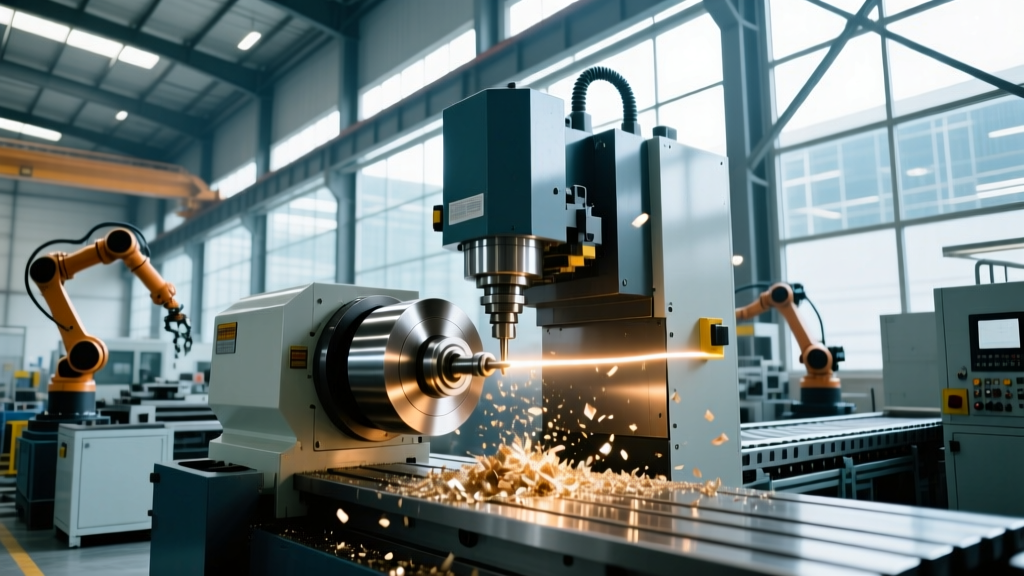
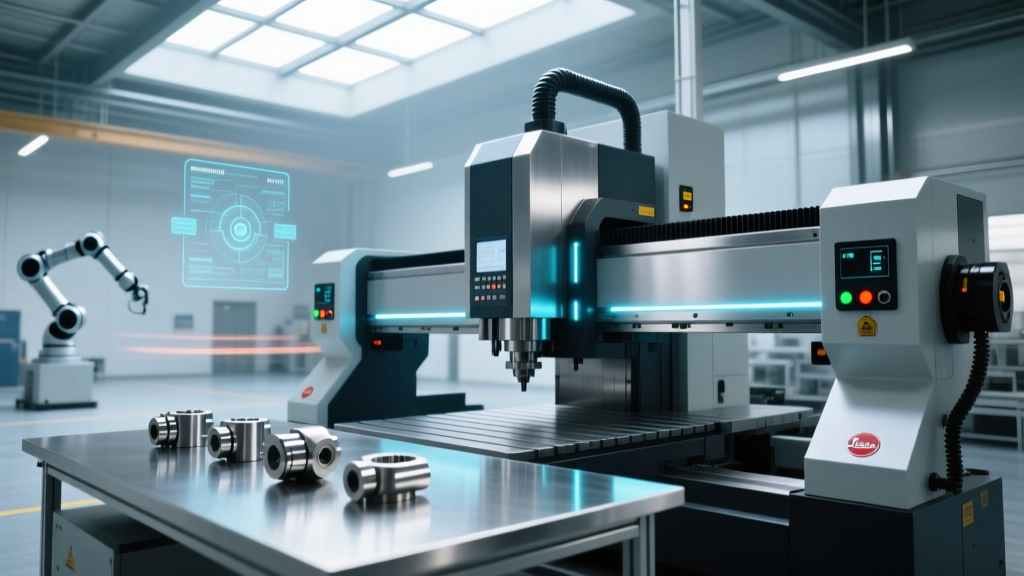
Analysts tracking the cnc machine programming market size 2026 note a definitive pivot toward AI-driven toolpath optimization, cloud-native CAM platforms, and digital twin integration. As the global CAD/CAM sector pushes past the $14 billion valuation mark this year, the software dictating how machines cut metal has fundamentally changed. However, a critical disconnect remains on many shop floors: while programming capabilities have evolved to leverage real-time telemetry and predictive algorithms, physical preventative maintenance (PM) schedules are still largely governed by outdated, calendar-based intervals.
The financial expansion of the programming market is not just about faster G-code generation; it is about embedding machine health monitoring directly into the toolpath. Advanced CAM systems like Mastercam 2026 and Siemens NX now feature native modules that correlate specific cutting forces with spindle vibration thresholds. This software-driven evolution demands a complete overhaul of how maintenance managers schedule spindle rebuilds, ball screw inspections, and way lubrication services.
Data Highlight: The 2026 Programming Market ShiftAccording to recent manufacturing technology reports, over 68% of new enterprise CAM licenses sold in 2026 include integrated condition-monitoring post-processor libraries. This represents a 40% increase from 2023, signaling that software developers are monetizing the bridge between digital toolpaths and physical machine degradation.
From Calendar-Based to Telemetry-Driven PM Paradigms
Traditional maintenance schedules operate on a time or cycle-count basis: regrease the spindle every six months, check ball screw backlash every 1,000 hours, and replace way lube filters quarterly. This approach ignores the actual mechanical stress inflicted by specific CAM-generated toolpaths. Trochoidal milling, for instance, maintains constant tool engagement but subjects the X and Y axis ball screws to continuous, high-frequency directional reversals that accelerate localized wear far faster than standard 3D contouring.
By aligning your maintenance schedule with the capabilities of modern programming software, shops can transition to condition-based maintenance (CBM). The NIST Smart Connected Manufacturing guidelines emphasize that integrating edge-computing gateways with CAM telemetry reduces unplanned spindle downtime by up to 32%.
| Component | Legacy Calendar PM | CAM-Integrated Predictive PM (2026 Standard) |
|---|---|---|
| Spindle Bearings (Ceramic) | Regrease every 6 months / Rebuild at 8,000 hours | Trigger service when 10kHz vibration amplitude exceeds 0.15 in/s during M19 orientation |
| X/Y Axis Ball Screws | Check backlash every 1,000 hours | Auto-flag for inspection if Renishaw probe detects >0.0004" deviation after dynamic trochoidal roughing cycles |
| Way Lubrication System | Replace filter and fluid quarterly | Monitor Bijur Delimon flow sensors; replace filter only when pressure drop exceeds 15 PSI during high-rapid G00 moves |
| Coolant Concentration | Manual refractometer check weekly | Inline digital sensors tied to CAM material-removal-rate (MRR) calculations; auto-dose when MRR spikes |
Critical Service Intervals Dictated by Advanced Toolpaths
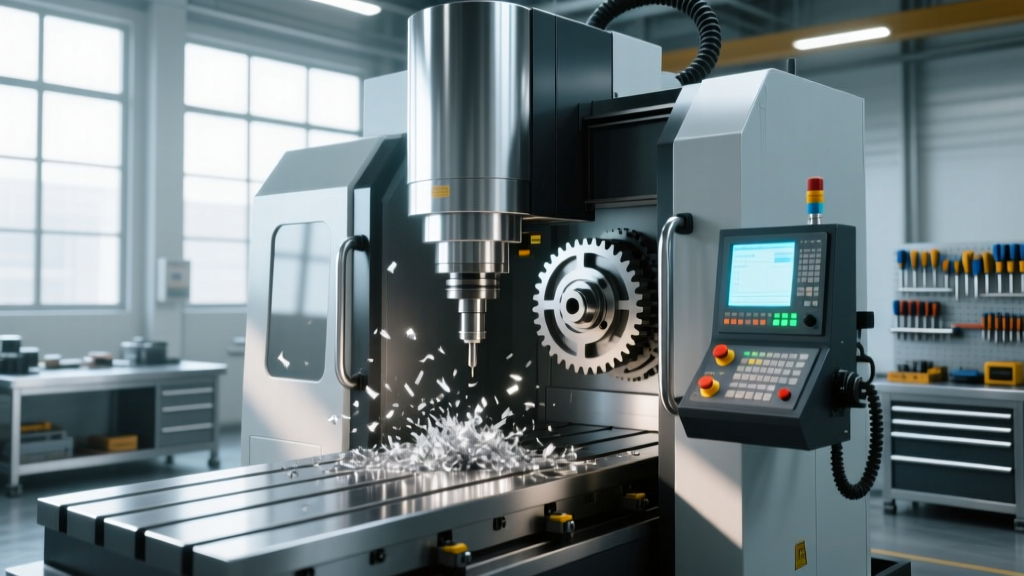
The financial growth reflected in the cnc machine programming market size 2026 is heavily driven by high-speed machining (HSM) and multi-axis simultaneous milling. These advanced programming techniques impose unique thermal and mechanical loads that require highly specific maintenance responses.
Spindle Thermal Growth and Cooldown Scheduling
Modern CAM software calculates thermal growth compensation maps for 24,000+ RPM spindles. However, if the physical cooling loops are degraded, the software's compensation model fails, resulting in scrapped aerospace tolerances. Maintenance teams must schedule spindle chiller descaling not by the calendar, but by monitoring the delta between the CAM-predicted Z-axis growth and the actual laser-toolsetter measurements. If the Z-axis drift exceeds 15 microns over a 45-minute warmup cycle programmed into the setup sheet, the chiller loop requires immediate flushing with a 10% citric acid solution.
Ball Screw Preload Degradation in 5-Axis Contouring
Simultaneous 5-axis toolpaths generated by software like HyperMill require constant micro-adjustments from the rotary axes (B and C). This places immense axial thrust on the rotary table bearings and the underlying linear way systems. Adhering to ISO/TC 108/SC 5 Condition Monitoring Standards, shops should utilize accelerometer data mapped to specific 5-axis G-code blocks. When the low-frequency vibration signature (below 500Hz) during C-axis interpolation increases by 12%, it indicates a loss of ball screw preload, necessitating an immediate shim adjustment before the next production run.
"The software market is no longer just selling toolpaths; it is selling machine survivability. Shops that ignore the telemetry data embedded in 2026 CAM platforms are effectively flying blind, replacing parts too early or catastrophic failing too late."
— Director of Manufacturing Engineering, Tier 1 Aerospace Supplier
Implementation Framework: Syncing Your CAM Stack with Maintenance Logs
To capitalize on the advanced features driving the current programming market, maintenance managers must integrate software outputs with physical service logs. Follow this step-by-step framework to bridge the gap:
- Audit Post-Processor Telemetry Triggers: Work with your CAM programmer to insert custom M-codes (e.g., M58 for vibration logging start, M59 for stop) around high-stress roughing operations. This isolates sensor data specifically to the most aggressive toolpaths.
- Deploy Edge-Computing Gateways: Install MTConnect adapters on your CNC controllers. Ensure the gateway can parse the custom M-codes and correlate them with spindle load meters and axis servo lag data.
- Establish Baseline Degradation Curves: Run a standardized test part (such as the NAS 979 circle-diamond-square test) monthly. Map the servo following error against the machine's total cutting hours to establish a baseline for ball screw wear.
- Automate CMMS Work Orders: Integrate your MTConnect data stream with your Computerized Maintenance Management System (CMMS). Set the API to automatically generate a work order for way-lube filter replacement when the CAM-calculated material removal rate (MRR) correlates with a 10% drop in hydraulic flow pressure.
FAQ: Market Shifts and Maintenance Realities
Does the shift toward cloud-based CAM reduce local machine maintenance?
No. Cloud-based CAM platforms (which represent a massive portion of the cnc machine programming market size 2026) offload computational processing, but they often generate more aggressive, optimized toolpaths that maximize material removal rates. This places higher physical demands on the machine's structural rigidity and servo drives, requiring stricter adherence to condition-based mechanical inspections.
How do we justify the cost of telemetry sensors to management?
Reference the cost of a single scrapped part due to thermal spindle drift or a catastrophic ball screw failure during a lights-out machining shift. According to SME CNC Machining Technologies case studies, implementing predictive maintenance sensors yields an average ROI of 315% within the first 14 months by eliminating reactive emergency service calls and extending spindle life by up to 20%.
Can older CNC controllers support CAM-integrated maintenance scheduling?
Legacy controllers (e.g., Fanuc 18i or older Haas NGC pre-2018) lack native high-frequency data extraction. However, you can bypass the controller by installing external tri-axial accelerometers and current clamps directly on the servo motors and spindle housing, feeding that analog data into an external IoT gateway that syncs with your modern CAM digital twin.