Securing Enclosures and Coolant When Transporting a CNC Machine
Learn how to troubleshoot and repair enclosure misalignments and coolant system failures that occur when transporting a CNC machine.
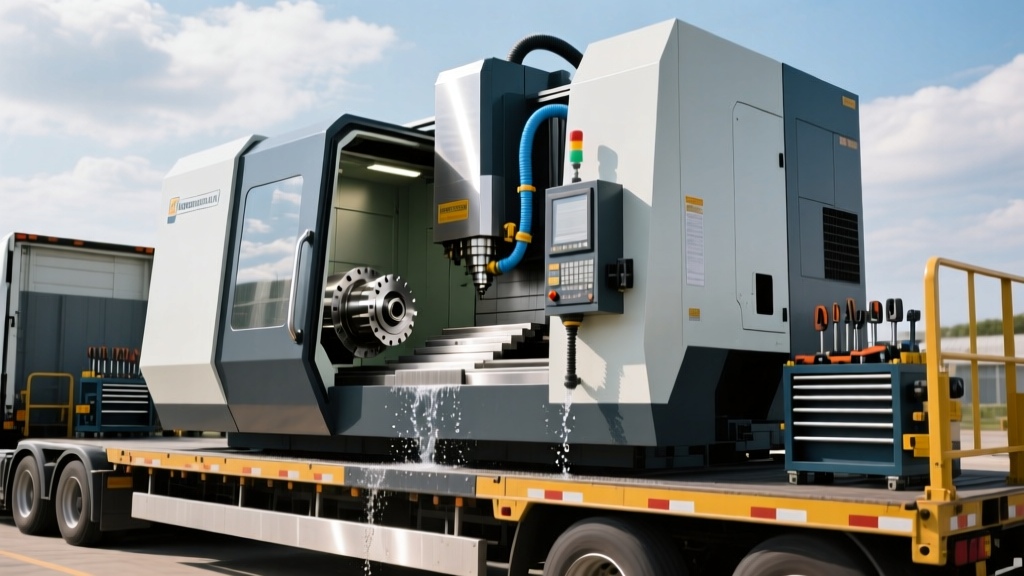
Moving a 12,000-pound vertical machining center (VMC) like a Mazak VCN-530C or a Haas VF-4SS introduces severe kinetic shocks and high-frequency trailer vibrations. While machinists and facility managers obsess over locking the spindle and securing the axis brakes, the enclosure sheet metal and coolant delivery systems routinely suffer catastrophic, overlooked damage during transit. When transporting a CNC machine, the sloshing of residual fluids and the torsional twisting of the skid can destroy way covers, crack coolant tanks, and unseat high-pressure plumbing.
⚠️ CRITICAL WARNING: The Electrical Cabinet BreachNever transport a CNC machine with a full or even half-full coolant sump. Sloshing fluid easily breaches the electrical cabinet seals and cable gland grommets. Coolant ingress into the I/O boards or servo drives is usually fatal to the components. As of 2026, a replacement Haas servo amplifier costs between $2,800 and $4,500, not including the downtime required to trace shorted harnesses.
Pre-Transport Fluid Evacuation & Baffle Inspection
Proper troubleshooting begins before the machine leaves the current facility. Draining the sump is mandatory, but simply pulling the plug is insufficient for modern high-pressure coolant systems.
Step-by-Step Sump Evacuation Protocol
- Skim and Test: Use a refractometer to test the fluid. If the concentration is below 5% or tramp oil exceeds 2%, discard the fluid rather than storing it for the move. Transport shocks will permanently break the emulsion of a degraded coolant.
- Vacuum the Residuals: Use a wet/dry industrial vacuum to pull the last 2-3 gallons from the deepest recesses of the sump. Pay special attention to the chip conveyor return trough.
- Inspect Internal Baffles: Reach into the sump and physically check the mild steel or stainless steel baffles. The harmonic vibration of a flatbed trailer frequently cracks spot-welded baffles. If a baffle is loose, tack-weld it immediately before transit to prevent it from breaking off and jamming the coolant pump impeller upon recommissioning.
According to the CDC NIOSH Metalworking Fluids guidelines, improperly maintained or contaminated fluids can degrade rapidly when subjected to temperature fluctuations and aeration—both of which occur during multi-day transport.
Diagnosing Enclosure & Way Cover Damage Post-Move
When transporting a CNC machine, forklift tines often deflect the bottom skid, twisting the enclosure frame by as much as 1/16th of an inch. This micro-twist transfers directly to the telescopic steel way covers (such as those manufactured by Hennig or KabelSchlepp), causing them to bind, rack, and tear their wiper seals.
| Symptom Post-Transport | Root Cause from Transit Shock | Repair Protocol & 2026 Cost Estimate |
|---|---|---|
| Z-axis way cover screeching or binding during rapid traverse. | Skid torsion misaligned the cover guide rails; polyurethane wiper lips are torn. | Loosen rail mounting bolts, re-align using a dial indicator, and replace wiper seals. ($45 - $85 per wiper) |
| Rear sheet metal panels rattling; coolant mist escaping the enclosure. | High-frequency trailer vibration popped blind rivets on the chip conveyor housing. | Drill out sheared rivets and replace with 3/16-inch structural aluminum rivets. ($15 for hardware, 1 hour labor) |
| Sliding operator doors dragging or failing to latch. | Enclosure roof panel sagged due to improper crane rigging strap placement. | Shim the door roller bearings and adjust the magnetic latches. If roof is bowed, apply hydraulic pressure to cold-straighten. ($120 - $300 in machining/shims) |
Troubleshooting Coolant Pump & Plumbing Failures
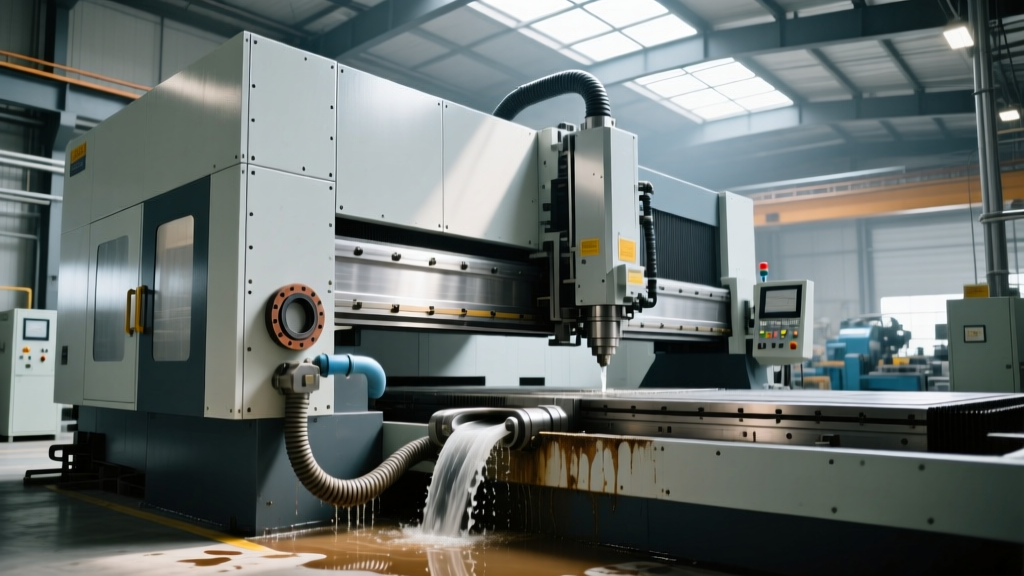
The vibration inherent in transporting a CNC machine is notorious for loosening NPT and JIC hydraulic fittings. Furthermore, the sudden jolts of loading and unloading can unseat the internal check-valves in coolant pumps, leading to a loss of prime.
Diagnostic Flowchart: Pump Hums But Won't Prime
If your Grundfos MTH series or equivalent 1/2 HP coolant pump is energized but failing to deliver fluid to the nozzles after a move, follow this exact sequence:
- Check the Suction Line Check-Valve: Many CNC sumps utilize a foot valve or inline check-valve to maintain prime. Transit shocks can jam these valves in the closed position with dislodged sump scale. Remove, clean, and reinstall.
- Inspect the Impeller for Debris: If the tank was not fully vacuumed, a piece of swarf or a broken baffle weld may have been sucked into the pump housing during the initial post-move startup. Disconnect the union fitting and visually inspect the impeller vanes.
- Bleed the High-Pressure Lines: Machines equipped with 1000 PSI through-spindle coolant (TSC) systems trap air easily. Crack the highest union fitting near the spindle head to bleed trapped air pockets caused by fluid sloshing during the move.
If you are replacing leaking fittings discovered after the move, upgrade any standard NPT (tapered pipe thread) coolant lines to JIC (37-degree flare) or ORB (O-ring boss) fittings. NPT fittings rely on thread sealant, which degrades under vibration. JIC fittings provide a mechanical metal-to-metal seal that will survive future relocations without weeping.
The Leveling-Coolant Return Connection
One of the most misunderstood troubleshooting scenarios after transporting a CNC machine is the 'phantom coolant leak.' Operators report that the sump is losing fluid, yet there are no visible puddles on the floor. The culprit is almost always improper machine leveling affecting the internal sheet metal pitch.
CNC enclosures are designed with a specific internal draft—usually a 2 to 3-degree slope on the interior sheet metal pans—to gravity-feed coolant back to the sump. If the machine is pitched forward by just 0.002 inches over 36 inches during the final installation leveling, coolant will pool in the front pan beneath the way covers. Eventually, this pooled fluid will overflow the internal dams and drain directly into the chip conveyor auger housing, where it is carried out and dumped into the chip bin.
'Precision leveling isn't just about holding geometric tolerances on milled parts; it is fundamentally tied to the machine's fluid dynamics. Always verify the internal coolant return flow with a manual bucket test before buttoning up the rear enclosure panels.' — Field Service Engineer, Mazak Midwest Region
Re-commissioning the Coolant Tank & Concentration
Once the physical enclosure and plumbing leaks are resolved, the final step is recharging the system. Do not simply fill the tank with water and dump in a 5-gallon pail of concentrate. The OSHA Material Handling and general facility safety standards emphasize the importance of proper chemical handling and spill prevention, which extends to the safe mixing of industrial metalworking fluids.
Use a proportional eductor or automated coolant mixer to charge the system. For a standard 50-gallon sump on a VMC, target a 7% to 8% concentration using a high-stability semi-synthetic fluid like Master Fluid Solutions TRIM MicroSol 585XT. This specific concentration provides the necessary corrosion inhibition to protect the bare cast iron and steel way covers that may have been exposed to humidity during the transport process. Run the flood coolant pump for 30 minutes with the spindle off, cycling the fluid through the lines to ensure all transit-induced air pockets are purged and the refractometer reading stabilizes.