Small Workshop CNC Setup: Insights from a CNC Machine Specialist
Discover how a CNC machine specialist optimizes small workshop environments. Real case studies, machine specs, power constraints, and ROI metrics.
The Reality of Small-Shop CNC Integration
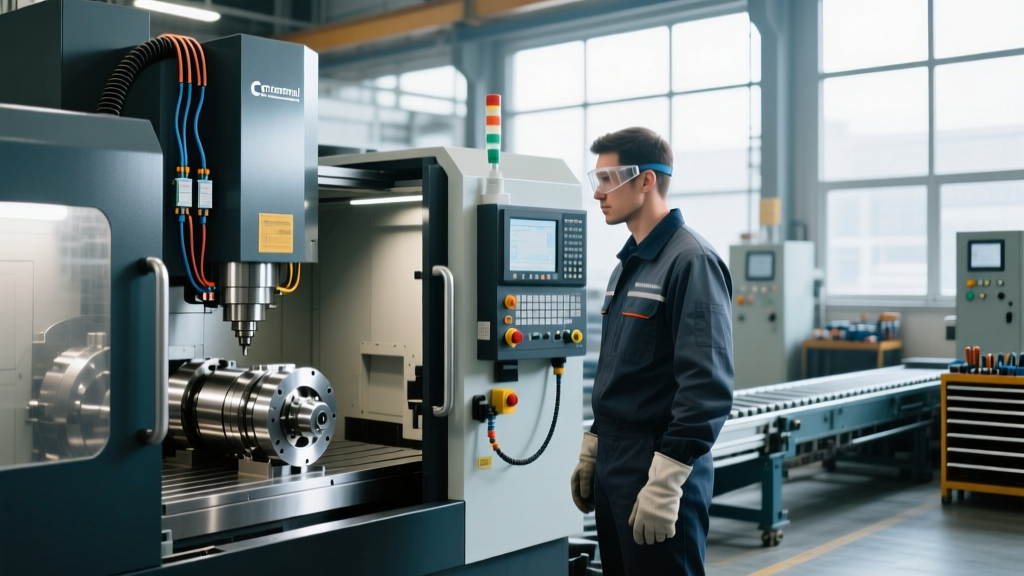
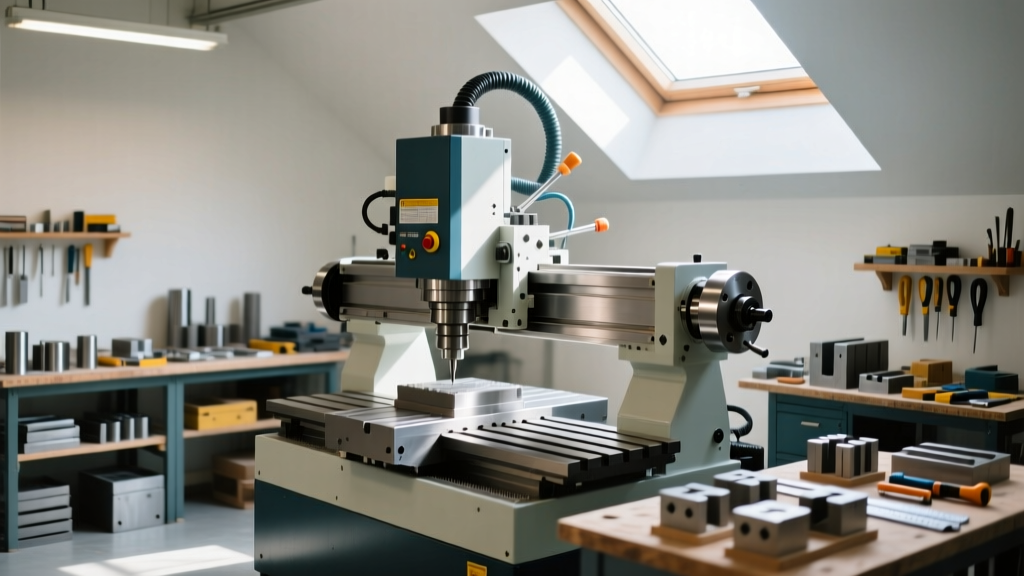
Transitioning a sub-2,000-square-foot job shop from manual machining to CNC requires navigating severe spatial, electrical, and workflow constraints. A CNC machine specialist does not merely evaluate spindle speed and axis travel; they audit the entire micro-environment. This case study examines Precision Edge Prototypes, a 1,400-square-foot boutique aerospace job shop, and the exact framework their consulting CNC machine specialist used to integrate a 3-axis vertical mill without tripping main breakers or violating safety standards.
Specialist Insight: The most common failure mode in small workshop CNC adoption is purchasing a machine based solely on work envelope size while ignoring the facility's electrical service limits and chip evacuation logistics. A 40-taper mill requires vastly different infrastructure than a 30-taper compact mill.Electrical & Spatial Constraints: The Audit
Most small workshops operate on 200-amp single-phase residential or light commercial electrical service. Industrial CNC mills typically demand 3-phase power. Running a rotary phase converter in a 1,400-square-foot space introduces significant ambient heat and acoustic noise, degrading the working environment.
For Precision Edge Prototypes, the specialist recommended bypassing phase converters entirely by selecting native single-phase machines or utilizing integrated digital phase converters. The facility's physical layout restricted the machine footprint to a maximum of 65 inches wide by 55 inches deep, allowing just 36 inches of clearance for operator movement and material staging.
Small-Footprint CNC Selection Matrix
Below is the comparison matrix the specialist used to evaluate compact vertical mills suitable for single-phase, small-footprint environments. Pricing reflects 2026 market estimates for base models with essential probing packages.
| Model | Footprint (W x D) | Power Requirement | Spindle Taper / HP | Est. Base Price | Best Application |
|---|---|---|---|---|---|
| Haas Mini Mill 3 | 60" x 46" | 230V Single-Phase (w/ option) | 40 Taper / 5.0 HP | $42,500 | Production aluminum/steel parts |
| Tormach 1100MX | 48" x 36" | 115V Single-Phase (20A) | BT30 / 1.5 HP | $15,200 | Prototyping, light duty, R&D |
| Pocket NC V2-50 | 24" x 20" | 110V Single-Phase (15A) | ER11 / 0.33 HP | $5,400 | 5-axis micro-machining, wax/plastics |
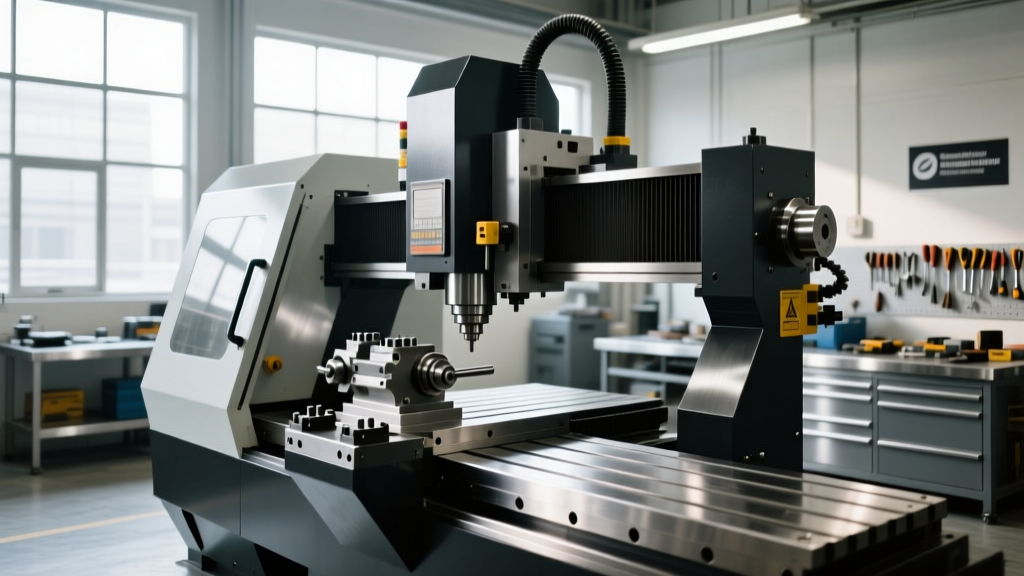
The specialist selected the Haas Mini Mill 3 equipped with the factory single-phase option. While the Tormach 1100MX offered a smaller footprint, the shop's primary workload involved 6061-T6 aluminum and 304 stainless steel, requiring the rigidity and 8,100 RPM torque curve of the Haas 40-taper inline direct-drive spindle.
Chip & Dust Management in Confined Spaces
Small shops often lack the square footage for 55-gallon drum separators or centralized ductwork. However, ignoring chip and dust management in a confined space leads to rapid way-cover degradation and severe respiratory hazards.
"In a 1,400-square-foot shop, airborne particulate from machining Delrin or MDF doesn't just settle on the floor; it infiltrates the CNC control cabinet cooling fans and the shop's HVAC returns. You must treat chip evacuation as a closed-loop system."
— Lead CNC Machine Specialist, Advanced Manufacturing Integration Group
To comply with OSHA combustible dust guidelines and maintain air quality, the specialist engineered a localized extraction system:
- Ducting: Upgraded the standard 2.5-inch shop-vac hose to rigid 4-inch PVC ducting to prevent static buildup and reduce airflow friction.
- CFM Requirements: Installed a 2HP cyclone dust collector rated for 1,200 CFM, ensuring a minimum of 800 CFM at the machine enclosure hood to capture fine aluminum and composite particulates before they escape.
- Coolant Mist: Added a mist collector with a HEPA filter rated for 95% efficiency at 0.3 microns, venting the scrubbed air back into the shop to avoid negative pressure issues that would pull dust from adjacent sanding stations.
Workflow & CAM Station Integration
A CNC machine specialist knows that machine placement dictates production velocity. The physical layout was optimized using a U-shaped workflow to minimize operator steps.
- Material Staging (Zone A): Raw stock racks placed exactly 10 feet from the machine door. Heavy 6-inch vises are stored on a mobile cart at waist height to prevent lifting injuries during setups.
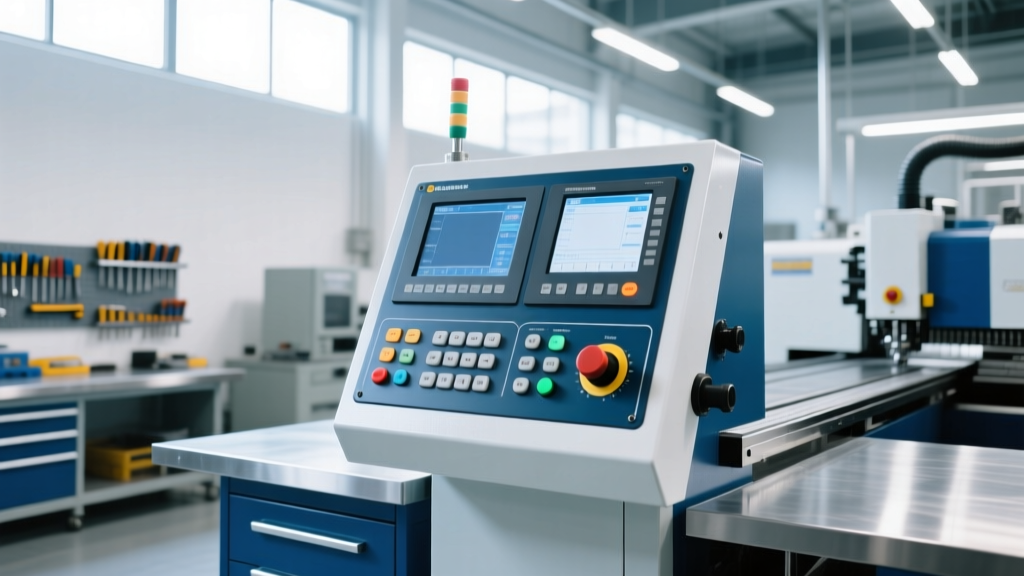
- CAM & Programming Station (Zone B): The CAD/CAM terminal is positioned within 15 feet of the operator panel. This proximity allows the programmer to upload G-code via local network and immediately verify toolpaths on the Haas NGC control screen without crossing the shop floor.
- Tooling Prep (Zone C): A dedicated Z-axis presetter and tool crib are located on the left flank of the mill. Operators load and measure tools offline while the machine is cutting, reducing non-cut spindle time by 22%.
- Deburr & Inspection (Zone D): Parts are moved directly to a granite surface plate and deburring bench located behind the operator, keeping the primary walking path clear of forklifts and pallet jacks.
ROI and Cycle Time Metrics
According to data aggregated by the NIST Manufacturing Extension Partnership (MEP), small shops that properly integrate CNC technology typically see a 30-40% reduction in lead times. For Precision Edge Prototypes, the metrics from the first 90 days of operation were highly specific:
Production Data: 6061-T6 Aluminum Aerospace Bracket (4" x 4" x 0.5")- Manual Bridgeport (w/ DRO): 42 minutes cycle time, 12% scrap rate due to hole-location drift.
- Haas Mini Mill 3 (CNC): 8.5 minutes cycle time (using 1/2" 3-flute carbide endmill at 8,000 RPM / 40 IPM), 0.5% scrap rate.
- Net Result: 394% increase in throughput per shift; ROI achieved in 7.2 months based on a $65/hour shop rate.
Specialist Troubleshooting: Edge Cases in Small Shops
Small workshops present unique environmental variables that large, climate-controlled factories do not face. A CNC machine specialist must preemptively address these edge cases to maintain tight tolerances.
1. Thermal Growth in Unclimate-Controlled Spaces
In a garage or uninsulated metal building, ambient temperature swings of 15°F between morning and afternoon can cause up to 0.003 inches of Z-axis thermal growth on cast-iron frames. The Fix: The specialist programmed a mandatory 15-minute spindle warm-up routine using a thermal compensation macro, and mandated that the shop's overhead doors remain closed during the first two hours of machining to stabilize the ambient air mass.
2. Way Lube Starvation from Intermittent Use
Small job shops often run a machine for three days, then shut it down for a week. Standard proportional way lube pumps may fail to prime the lines after long idle periods, leading to stick-slip friction on the axis gibs. The Fix: Upgraded to a positive-displacement lube pump with a low-level alarm and pressure switch, ensuring the machine physically faults out if the lines do not reach 25 PSI before the cycle starts.
3. Chip Packing in Compact Enclosures
The Haas Mini Mill 3 has a relatively small internal work envelope. When running high-volume production with stringy aluminum chips, the auger can easily jam, stalling the cycle and risking tool breakage. The Fix: The specialist adjusted the CAM toolpaths to utilize trochoidal milling (adaptive clearing), which produces small, manageable C-shaped chips rather than long, tangled birds' nests, entirely eliminating auger jams over a 6-month production run.