Fabric Cutting CNC Machine Operator Training: Best Practices & Setup
Master fabric cutting CNC machine operations with our expert training guide. Learn vacuum setup, blade selection, and nesting best practices for textiles.
Core Competencies for Fabric Cutting CNC Machine Operators
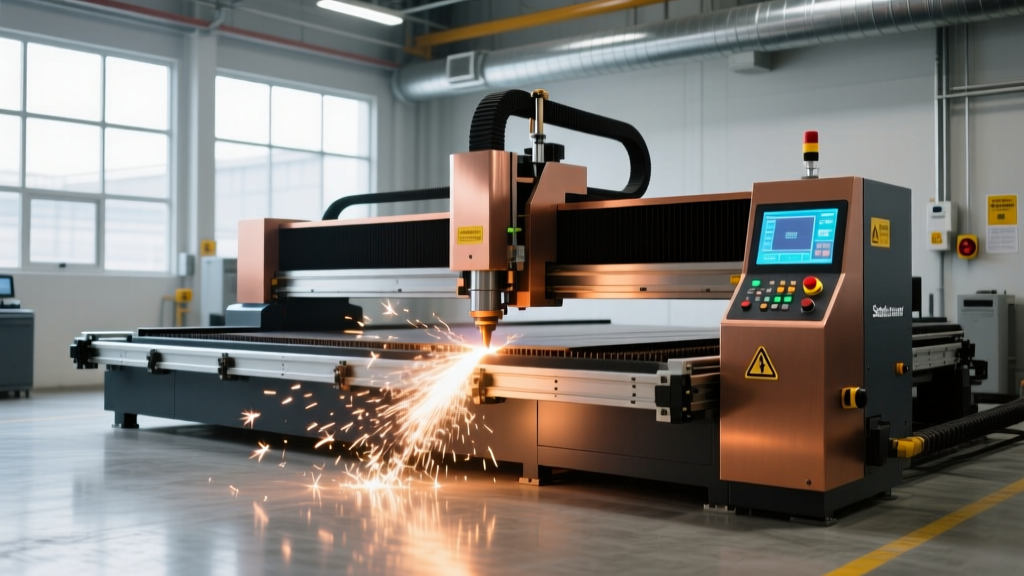
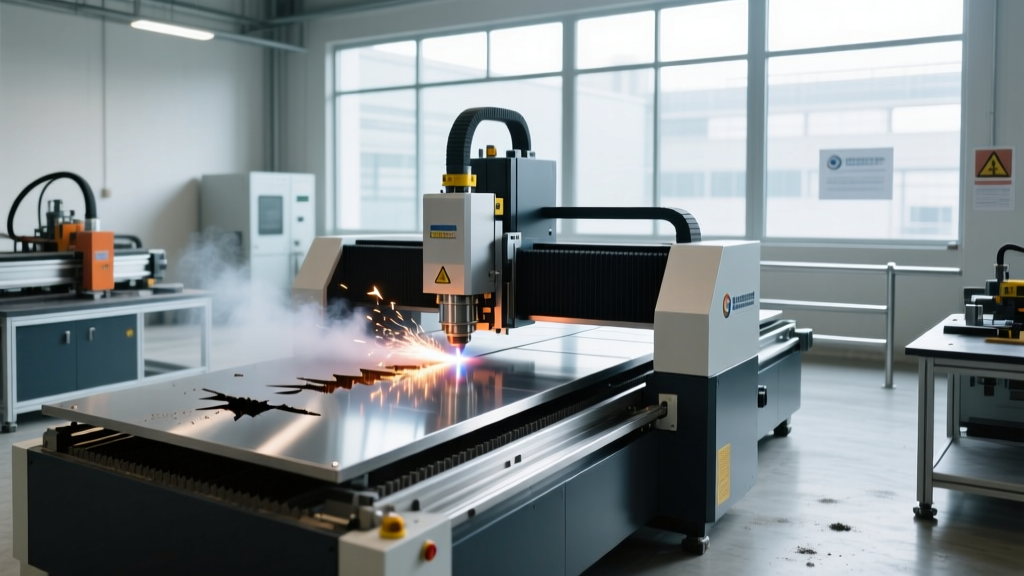
Operating a modern fabric cutting CNC machine requires more than simply loading a DXF file and pressing start. Textile substrates—ranging from delicate silks to high-tensile aramids—react dynamically to blade friction, vacuum pressure, and cut-path logic. Improper setup leads to frayed edges, ply shifting, and catastrophic material waste. This training guide establishes the operational baseline for shop floor personnel managing flatbed digital cutters like the Zünd G3 or Gerber Paragon LX series.
The Operator's Mindset: Substrate-First Engineering
Unlike rigid materials (wood, aluminum, acrylic), fabrics possess variable stretch, bias, and nap. A proficient operator must evaluate the material's physical properties before selecting the toolhead. According to Textile World industry reports, automated cutting errors in technical textiles cost manufacturers up to 14% in raw material waste annually, primarily due to improper tooling and vacuum mismanagement.
Toolhead Selection and Blade Geometry Matrix
The most critical decision an operator makes occurs before the spindle engages. Selecting the wrong knife type or oscillation frequency will destroy the cut edge and dull the blade prematurely. Below is the definitive matrix for toolhead selection based on substrate classification.
| Toolhead Type | Model Example | Ideal Substrates | Max Ply / Thickness | Operator Notes |
|---|---|---|---|---|
| Oscillating Knife (EOT) | Zünd EOT-250 | Woven cottons, polyesters, felt, neoprene | Up to 25mm (single ply) or 50mm (multi-ply) | Adjust stroke length to match material thickness. Use 16° blades for tight radii. |
| Drag Knife | Standard Tangential | Vinyl, thin PU, adhesive films, single-ply silk | Up to 2mm | Requires precise overcut settings at corners to prevent tearing. |
| Round Knife (Rotary) | Gerber RKP | Heavy denim, canvas, multi-ply apparel lays | Up to 75mm (compressed) | Best for long, straight cuts. Struggles with tight internal corners. |
| Ultrasonic Cutter | High-Frequency Horn | Synthetics, nylon, carbon fiber pre-pregs | Up to 15mm | Melts edges to prevent fraying. Requires strict extraction ventilation. |
Vacuum Hold-Down and Material Staging Protocols
Fabric shifting during high-speed CNC routing (often exceeding 1.2 meters per second) is the primary cause of out-of-tolerance cuts. The vacuum table is your primary fixturing mechanism, but it requires precise calibration.
Calibrating Zoned Vacuum Systems
Modern flatbed cutters utilize multi-zone vacuum pumps. Operators must activate only the zones directly beneath the active cutting area to maintain maximum negative pressure (typically -20 kPa to -30 kPa). Activating the entire table dissipates the suction, allowing lightweight fabrics to lift during rapid traverse moves.
- Inspect the Bristle Block: Ensure the cutting mat bristles are upright and free of lint. Compacted bristles create air channels that ruin vacuum seal.
- Apply Sacrificial Backing: Never cut fabric directly on the bristle block. Use a permeable sacrificial layer (like Tyvek or specialized cutting paper) that allows air to pass through but prevents the knife from catching the bristles.
- Edge Sealing: For multi-ply lays, use polyethylene film over the top layer and tape the perimeter. This creates a vacuum bag effect, compressing the fabric stack uniformly.
Handling Advanced Technical Textiles
Standard cotton and polyester protocols fail when applied to high-performance technical textiles. Operators must adapt their parameters for advanced materials.
Aramids (Kevlar, Twaron)
Aramid fibers are highly abrasive and will destroy standard steel oscillating blades within minutes.
- Tooling: Use tungsten carbide-coated oscillating blades.
- Speed: Reduce cutting speed by 40% compared to standard wovens.
- Oscillation: Increase oscillation frequency to prevent heat buildup, which can degrade the resin coatings on ballistic fabrics.
UHMWPE (Dyneema, Spectra)
Ultra-high-molecular-weight polyethylene is notoriously slippery and cut-resistant.
- Fixturing: Standard vacuum is rarely enough. Use a high-tack adhesive spray on the sacrificial paper to grip the bottom ply.
- Tooling: Serrated edge blades or ultrasonic cutters are mandatory to shear the fibers cleanly without pulling the weave apart.
Nesting Software and Cut Path Optimization
The physical cut is only as good as the toolpath logic generated in the nesting software (e.g., SigmaNest, CutWorks). Operators must verify specific path parameters before sending the job to the machine controller.
Managing Directional Fabrics (Nap and Pile)
Materials like velvet, corduroy, and brushed cotton have a distinct 'nap' (direction of the fibers). All pattern pieces must be nested in the same orientation. If the software rotates a piece 180 degrees to save material, the final garment will show color shading differences. Always lock the rotation parameter to 0° in the nesting software for napped fabrics.
Tangent Exits vs. Overcuts
How the blade exits a closed contour dictates edge quality.
Never allow the blade to cross its own start point on delicate synthetics. The overlapping cut path will sever the holding 'tabs' and cause the piece to shift before the vacuum releases.Instead, program a tangent exit, where the blade lifts slightly and exits the contour along a straight tangent line, leaving a microscopic, uncut bridge that the operator can easily snap or trim post-process.
Preventative Maintenance and Blade Lifecycle Tracking
Dull blades do not just produce poor edges; they increase drag on the Z-axis motor and cause premature bearing failure. Operators must track blade lifespan by material, not just by time.
| Material Category | Expected Blade Lifespan (Oscillating) | Failure Indicator | Action Required |
|---|---|---|---|
| Standard Cotton/Poly Blends | 80 - 120 hours | Frayed edges on tight curves | Replace blade; inspect collet for debris. |
| Carbon Fiber / Fiberglass Pre-preg | 15 - 25 hours | Audible clicking, delamination at edges | Replace immediately; carbide mandatory. |
| Neoprene / Closed-Cell Foams | 40 - 60 hours | Angled cut walls (beveling) | Replace blade; reduce Z-axis plunge speed. |
| Aramid (Kevlar) | 20 - 30 hours | Pulled fibers, excessive dust | Replace blade; verify oscillation stroke. |
For comprehensive tooling specifications and torque settings for toolhead collets, operators should routinely consult Zünd's official cutting tools documentation or the equivalent OEM manuals for their specific automated cutting systems.
Troubleshooting Matrix: Common Cut Anomalies
When cut quality degrades, operators must systematically isolate the variable. Use this diagnostic matrix to resolve issues without halting production for extended periods.
| Symptom | Probable Root Cause | Operator Correction |
|---|---|---|
| Fabric shifting mid-cut (Internal pieces move) | Vacuum leak or insufficient zoned suction | Check perimeter tape seal; activate localized vacuum zones; reduce traverse speed. |
| Frayed or 'fuzzy' edges on synthetics | Blade dullness or incorrect oscillation frequency | Install fresh blade; increase oscillation frequency to 10,000+ RPM for clean shearing. |
| Beveled cut walls (top is wider than bottom) | Blade deflection due to thick, dense material | Reduce cutting speed by 30%; ensure blade is seated fully in the collet; use a stiffer blade. |
| Corners are rounded or torn | Insufficient overcut or wrong blade angle | Switch to a 16° pointed blade; increase corner overcut parameter by 1.5mm in software. |
Final Operational Directives
Excellence in fabric cutting CNC machine operation is defined by rigorous adherence to setup protocols and acute sensory awareness during the cutting cycle. Operators must listen to the pitch of the oscillating motor—a high-pitched whine indicates excessive friction and impending blade failure. By mastering toolhead geometry, vacuum staging, and material-specific path logic, shops can achieve aerospace-level tolerances on flexible substrates, drastically reducing secondary trimming labor and material waste.