Vending Machine Manufacturing: Components, Assembly and QC
An inside look at vending machine manufacturing processes covering cabinet fabrication, refrigeration systems, dispensing mechanisms, electronic control boards, assembly line procedures, and quality certifications.
The modern vending machine is a sophisticated electromechanical system that integrates sheet-metal fabrication, refrigeration engineering, precision dispensing mechanisms, and embedded electronics into a single cabinet. Manufacturing these units at scale requires coordinated production lines, rigorous quality control, and compliance with international safety and energy standards. This article examines the key components and assembly processes that define contemporary vending machine production.
Cabinet Fabrication and Structural Components
Sheet Metal Forming
The cabinet shell begins as cold-rolled steel sheet, typically 0.8 to 1.2 millimeters thick, fed through CNC punch presses and press brakes. Precision forming ensures that door frames, hinge mounts, and panel joints align within tight tolerances. Outer panels receive a powder-coat finish—usually applied electrostatically and cured at 180 to 200 degrees Celsius—for corrosion resistance and durability. Inner panels may be galvanized or pre-painted depending on the manufacturer's specification.
Insulation and Thermal Management
Refrigerated machines require effective insulation to maintain temperature efficiently and reduce compressor cycling. Polyurethane foam is injected between inner and outer cabinet walls, expanding to fill voids and creating a rigid, thermally resistant structure. Typical insulation thickness ranges from 25 to 50 millimeters, achieving R-values between 6 and 12. The U.S. Department of Energy publishes efficiency standards that influence insulation requirements for commercial refrigeration equipment, and leading manufacturers design their cabinets to meet or exceed these benchmarks.
Door Assemblies
Glass-front vending machines use double-pane tempered glass with low-emissivity coatings to minimize heat transfer while maintaining product visibility. Door frames incorporate magnetic gaskets or compression seals to prevent cold air leakage. Hinge hardware must withstand tens of thousands of open-close cycles without sagging or misalignment.
Refrigeration Units and Compressors
The refrigeration system is the thermal backbone of any temperature-controlled vending machine. Modern units use hermetic or semi-hermetic compressors rated between 1/6 and 1/3 horsepower, depending on cabinet volume and ambient temperature requirements. Common refrigerants include R-134a and the increasingly adopted R-600a (isobutane), which offers lower global warming potential and superior thermodynamic efficiency.
The refrigeration circuit comprises four primary components:
- Compressor – Pressurizes refrigerant vapor and circulates it through the system.
- Condenser – Rejects heat to ambient air via finned-tube heat exchangers with forced-air fans.
- Expansion valve or capillary tube – Reduces refrigerant pressure before it enters the evaporator.
- Evaporator – Absorbs heat from the cabinet interior, cooling the product storage area.
Electronic temperature controllers with digital displays have largely replaced mechanical thermostats, offering programmable setpoints, defrost scheduling, and fault-code diagnostics accessible to service technicians.
Dispensing Mechanisms: Spirals, Conveyors, and Elevators
Spiral Coil Systems
The most common dispensing method uses helical wire spirals mounted on rotating shafts. Each spiral sits in a dedicated lane on an adjustable tray. When a product is selected, a stepper motor or DC gear motor rotates the spiral approximately one full turn, pushing the product forward until it drops into the delivery bin below. Spiral pitch is matched to product dimensions—tighter coils for small items, wider coils for larger packages.
Conveyor and Belt Systems
For fragile or irregularly shaped products, conveyor-belt dispensing offers gentler handling. Products rest on a moving belt that advances them to a delivery point. This system is common in fresh-food and pharmacy vending applications where product damage is unacceptable.
Elevator and Lift Mechanisms
High-end machines serving glass bottles or premium items use an elevator platform that rises to the selected tray level, receives the product, and lowers it to the pickup bin. This eliminates the drop entirely and prevents damage to fragile containers. The engineering complexity is higher, requiring precise position sensing and coordinated motor control.
Payment Systems and Electronic Controls
Coin Mechanisms and Bill Validators
Traditional payment hardware includes electromagnetic coin validators that verify denomination by measuring diameter, thickness, and metallic composition, and bill validators that use optical and magnetic sensors to authenticate currency. These devices communicate with the machine's main controller via MDB or pulse protocols.
Cashless Modules and Telemetry
Cashless payment terminals integrate NFC readers, EMV chip-card slots, and QR-code scanners into a single device mounted on the machine face. These modules connect to cellular or Wi-Fi networks to authorize transactions in real time. The main control board—often a custom ARM-based PCB—manages all peripheral devices, processes selections, drives motors, and logs transaction data. For a deeper look at equipment specifications and sourcing, this vending machine buying guide provides detailed component breakdowns from major manufacturers.
Control Board Architecture
The central controller coordinates dispensing motors, monitors door switches and delivery sensors, manages the refrigeration cycle, and communicates with payment peripherals and telemetry modems. Modern boards run embedded Linux or real-time operating systems with flash-updatable firmware, allowing over-the-air feature additions and security patches.
Assembly Line Processes
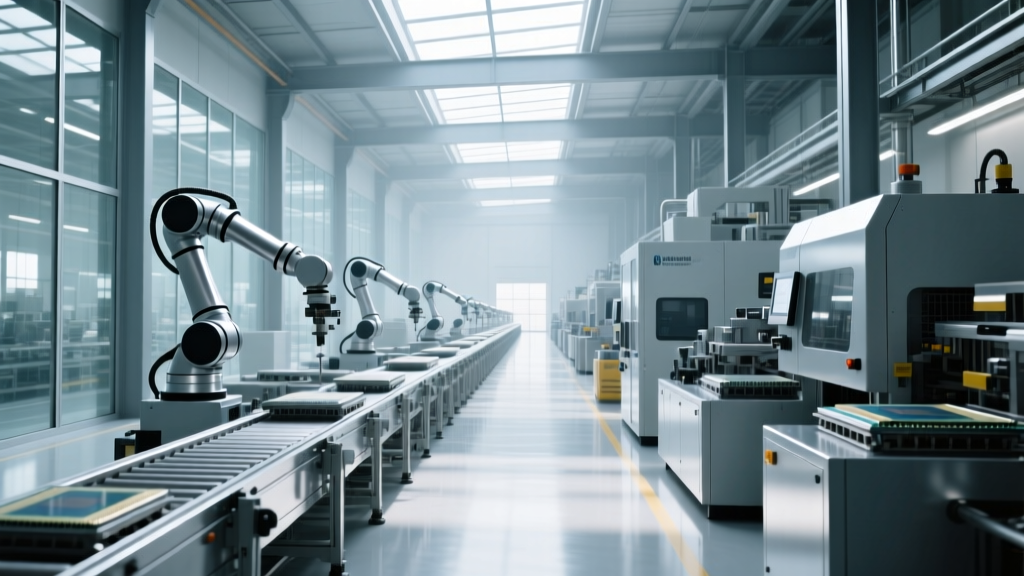
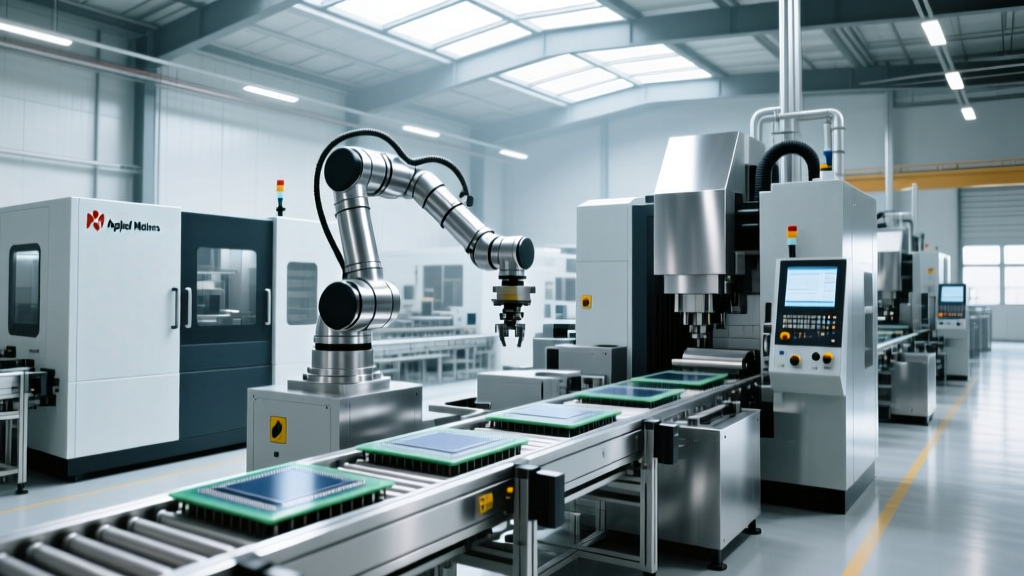
Vending machine assembly follows a staged production flow:
- Cabinet welding and finishing – Formed panels are welded into the main shell, inspected for dimensional accuracy, and sent through the powder-coat line.
- Insulation injection – Polyurethane foam is dispensed between cabinet walls and allowed to cure.
- Refrigeration installation – Compressor, condenser, evaporator, and piping are mounted and pressure-tested for leaks.
- Tray and spiral assembly – Adjustable trays with pre-installed spirals and motors are loaded into the cabinet on slide rails.
- Electrical harness routing – Wiring harnesses connecting the control board, motors, sensors, and payment devices are routed through cable channels and secured.
- Door installation – Glass door assemblies with gaskets and locks are hung and adjusted for proper seal contact.
- Control board and payment integration – The main PCB, payment terminal, and telemetry modem are installed and configured.
- Functional testing – Every selection is test-dispensed, refrigeration performance is verified, and payment transactions are processed.
Quality Control and Testing
Burn-In and Environmental Testing
Before shipment, completed machines undergo a burn-in period of 24 to 72 hours during which the refrigeration system runs continuously and dispensing mechanisms cycle repeatedly. This identifies early-life failures in motors, compressors, and electronic components. Some manufacturers also conduct drop tests—simulating the impact a machine might experience during delivery—to verify structural integrity and product retention.
Certifications and Compliance
Machines destined for international markets must carry relevant safety and performance certifications:
- UL (Underwriters Laboratories) – Required for sale in North America; covers electrical safety and fire resistance.
- CE marking – Mandatory for the European Economic Area; encompasses electrical safety, EMC, and machinery directives.
- Energy Star or equivalent – Voluntary but increasingly expected by commercial buyers seeking energy-efficient equipment.
- NSF or food-safety certification – Required for machines dispensing unpackaged food or beverages.
The Wikipedia article on automatic vending machines provides additional context on the global regulatory landscape and industry standards that manufacturers must navigate.
Trends Shaping Future Production
The manufacturing sector is responding to several converging trends: demand for touchless interfaces accelerated by post-pandemic hygiene expectations, integration of computer vision for grab-and-go smart vending, adoption of environmentally friendly refrigerants, and increasing modularity in control-system design to allow rapid customization for different markets. Manufacturers that invest in flexible assembly lines and component-level quality systems will be best positioned to serve the diverse global market for automated retail equipment.