Leasing Manufacturing Equipment: Green Tech Specs & Efficiency Data
Explore technical specs and efficiency data for leasing manufacturing equipment focused on sustainable green tech and energy-saving production lines.
The Engineering Case for Leasing Manufacturing Equipment in Green Tech
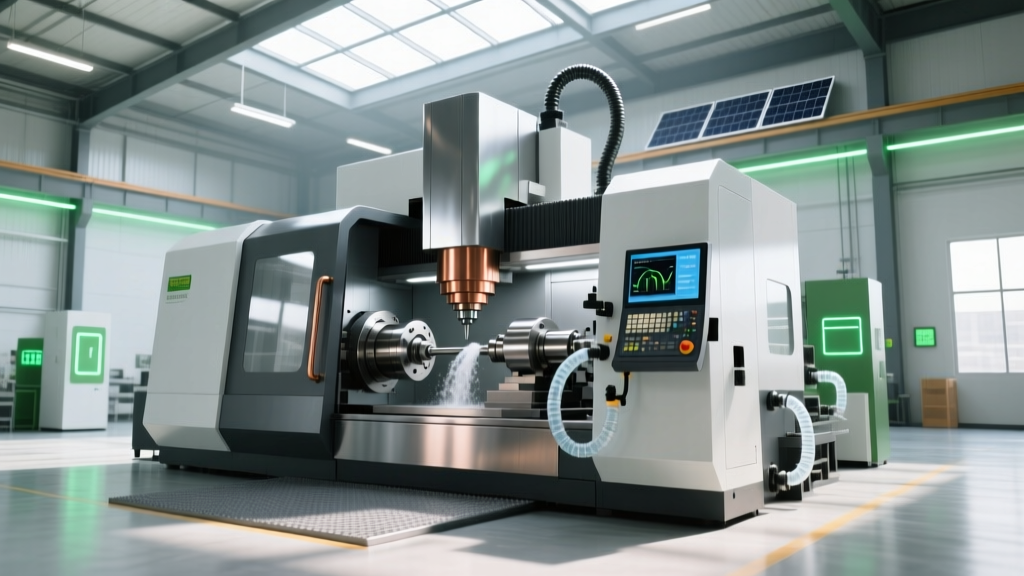
Transitioning a production line to net-zero emissions requires replacing legacy IE2 and IE3 induction motors with IE5 synchronous reluctance (SynRM) alternatives and integrating regenerative drive arrays. However, the 30% to 45% capital premium on ultra-premium efficiency hardware creates a severe barrier to entry. This is where leasing manufacturing equipment becomes a critical technical and financial strategy. By structuring a Fair Market Value (FMV) lease, facilities can deploy advanced green technology while aligning operational expenditures (OpEx) directly with verified, metered energy savings.
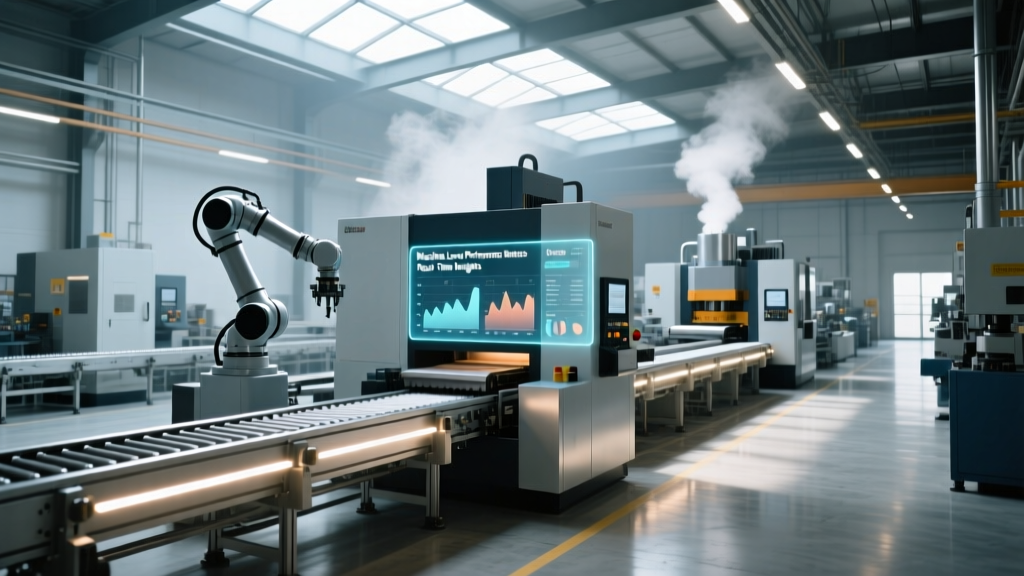
From a technical perspective, sustainable manufacturing equipment is iterating faster than standard mechanical machinery. Modern CNCs and injection molders now feature AI-driven energy optimization algorithms embedded directly in their Programmable Logic Controllers (PLCs). Leasing prevents technological obsolescence, ensuring your facility always operates on firmware capable of interfacing with the latest smart-grid demand-response protocols.
Technical Specifications: IE5 Motors and Regenerative Drives
When evaluating sustainable machinery for a lease, the core energy-saving mechanisms rely on two primary hardware upgrades: Ultra-Premium Efficiency (IE5) motors and Active Front End (AFE) regenerative drives. Understanding the exact technical specifications of these components is mandatory for negotiating performance-based Service Level Agreements (SLAs) in your lease contract.
| Efficiency Class | Typical Efficiency (100kW, 4-pole) | Core Technology | Rotor Loss Profile | Lease Premium vs IE3 |
|---|---|---|---|---|
| IE3 (Premium) | 95.0% | Standard Induction | High I²R (Copper) losses | Baseline |
| IE4 (Super Premium) | 96.0% | Optimized Induction / PM | Moderate I²R losses | +15% CapEx |
| IE5 (Ultra Premium) | 97.5% - 98.2% | Synchronous Reluctance (SynRM) | Near-zero rotor losses (no cage) | +35% CapEx |
How Synchronous Reluctance (SynRM) Motors Achieve IE5
Unlike traditional induction motors that rely on inducing a current in the rotor (which generates heat and I²R losses), SynRM motors utilize a specially laminated rotor with engineered flux barriers. The rotor aligns itself with the rotating magnetic field generated by the stator. Because there is no current flowing in the rotor and no rare-earth permanent magnets required, rotor losses are virtually eliminated. When you lease a fleet of IE5 SynRM motors (such as the ABB SynRM package), you are effectively leasing a system that reduces motor heat output by up to 40%, which subsequently lowers the HVAC and cooling load requirements of the factory floor.
Deep Dive: Regenerative DC Bus Systems and Active Front Ends
The most significant energy recovery mechanism in modern sustainable manufacturing equipment is the regenerative drive. In a standard multi-axis CNC machine or robotic welding cell, decelerating a high-inertia spindle or robotic arm generates massive amounts of kinetic energy. Legacy systems dissipate this energy as waste heat through dynamic braking resistors.
Technical Callout: Active Line Module (ALM) Specifications- Component: Siemens SINAMICS S120 or Bosch Rexroth IndraDrive with AFE.
- Function: Bidirectional power flow between the AC grid and the DC bus.
- Regeneration Efficiency: Up to 98% of kinetic energy returned to the grid.
- Harmonic Distortion: Maintains Total Harmonic Distortion (THD) below 5%, ensuring compliance with IEEE 519 power quality standards without requiring external passive filters.
- Power Factor: Unity power factor (cos φ = 1), eliminating reactive power penalties from utility providers.
When you are leasing manufacturing equipment equipped with AFE drives, the technical workflow operates as follows: During deceleration, the motor acts as a generator, pushing DC current back into the shared DC bus. If other axes on the machine are accelerating, they consume this DC power instantly. If the bus is fully charged, the AFE inverts the DC voltage back into clean AC power and feeds it directly back into the facility's main electrical grid. According to the U.S. Department of Energy's Advanced Manufacturing Office, integrating regenerative drives in high-cyclic applications (like stamping presses and pick-and-place robotics) can reduce total machine energy consumption by 20% to 30%.
Structuring the Lease: Technical SLAs and Performance Guarantees
Leasing green technology is not just a financial transaction; it is a technical partnership. To ensure the equipment delivers the promised sustainability metrics, your lease agreement must include strict, metered technical SLAs. Do not rely on manufacturer nameplate data; mandate real-world operational thresholds.
'A sustainable equipment lease without metered performance guarantees is just a standard loan with a green label. The contract must tie equipment uptime and specific energy consumption (SEC) directly to the lessor's maintenance obligations.' — Industrial Energy Engineering Framework, 2026.
Key Technical KPIs to Mandate in Your Lease SLA
- Specific Energy Consumption (SEC): Define the maximum allowable kWh per unit produced (e.g., < 1.15 kWh/kg for an all-electric injection molder). If the machine exceeds this threshold due to component degradation, the lessor must recalibrate or replace the drive system at their cost.
- Power Quality Compliance: Stipulate that regenerative drives must not introduce harmonic distortion exceeding 5% THD at the point of common coupling (PCC), protecting your facility's sensitive metrology and inspection equipment from voltage sags.
- Thermal Capture Rates: For leased equipment with integrated heat recovery (such as die-casting furnaces), mandate a minimum thermal capture efficiency of 80% via plate heat exchangers, verified by inline BTU meters.
ROI Matrix: Leasing vs. Purchasing Sustainable Machinery
The financial viability of green tech relies heavily on the cost of capital versus the cost of energy. Below is a comparative matrix analyzing the deployment of a 5-machine CNC cell equipped with IE5 motors and regenerative AFE drives over a 60-month period.
| Metric | Outright Purchase (CapEx) | FMV Lease (OpEx) |
|---|---|---|
| Initial Capital Outlay | $1,250,000 | $18,500 (First/Last/Deposit) |
| Monthly Equipment Cost | $0 (Sunk Cost) | $21,400 / month |
| Average Monthly Energy Cost | $6,200 (Baseline grid rates) | $4,300 (Reduced via regeneration) |
| Net Monthly Cash Flow Impact | -$6,200 (Energy only) | -$25,700 (Lease + Energy) |
| Tax Treatment (US MACRS) | Depreciated over 7 years | 100% Lease payment deductible as OpEx |
| End of Term (Month 60) | Own obsolete hardware; face $180k upgrade | Return hardware; lease next-gen AI-optimized cell |
While the monthly cash outflow is higher with the lease, the critical advantage lies in the avoidance of technological obsolescence and the immediate preservation of working capital. Furthermore, many jurisdictions offer accelerated tax incentives for leasing verified energy-saving equipment, which heavily skews the net present value (NPV) in favor of the FMV lease structure. For comprehensive guidelines on measuring and verifying these energy savings, manufacturers should refer to the NIST Sustainable Manufacturing Information Hub, which provides standardized frameworks for tracking industrial energy metrics.
Thermal Management and Heat Recovery Integration
Beyond electrical efficiency, sustainable manufacturing equipment addresses thermal waste. When leasing industrial ovens, autoclaves, or hydraulic presses, specify equipment with integrated closed-loop thermal oil recovery systems.
Modern systems utilize brazed plate heat exchangers to capture waste heat from exhaust stacks or hydraulic cooling loops. This captured thermal energy is routed to pre-heat incoming raw materials or to supply facility space heating. When negotiating the lease, require the lessor to provide a calibrated thermal model demonstrating a minimum 75% heat recovery rate under continuous production loads. This transforms a waste product (heat) into a measurable offset against your facility's natural gas or boiler fuel consumption, effectively allowing the energy savings to subsidize a portion of the monthly lease payment.
Final Engineering Directives
Leasing manufacturing equipment for sustainability is a highly technical endeavor that bridges power electronics, thermodynamics, and contract law. By focusing strictly on verifiable hardware specifications—such as IE5 SynRM topologies, sub-5% THD regenerative drives, and metered thermal capture rates—facilities can upgrade to green technology without bearing the crippling upfront CapEx or the risk of rapid technological obsolescence. Always mandate inline metering and strict SEC thresholds in your lease SLAs to ensure the equipment performs to its engineered potential.
Related reading
Troubleshooting Cleanroom Foundry Equipment Manufacturer Systems
Industrial Equipment Manufacturing Software for CE & UL Compliance