Energy Efficiency Ratings: Search Rescue Equipment Manufacturer USA
Discover how a search rescue equipment manufacturer USA optimizes manufacturing equipment energy efficiency ratings to cut costs and boost precision.
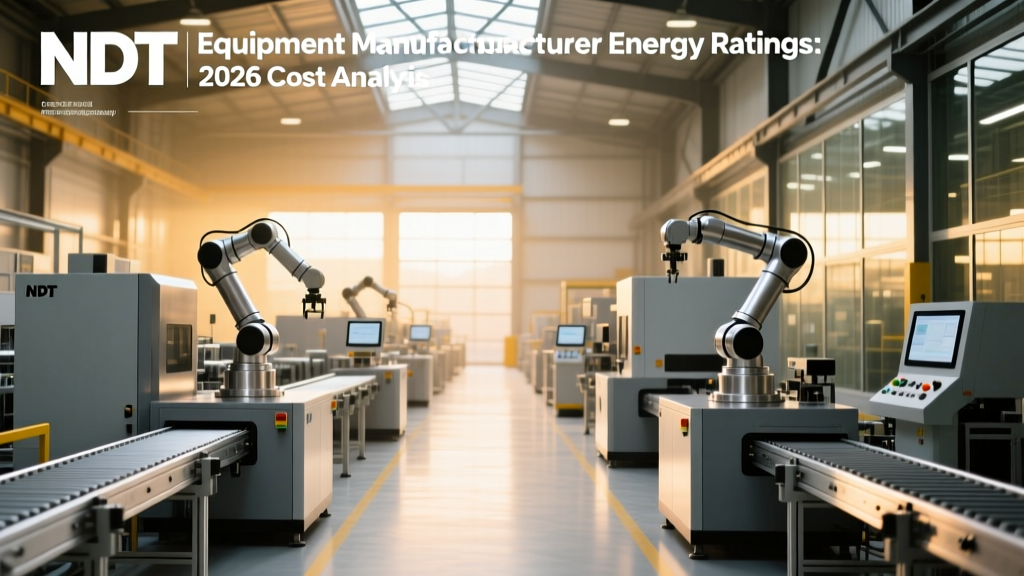
Manufacturing life-saving search and rescue (SAR) gear—such as hydraulic extrication tools, aviation rescue hoists, and high-load titanium carabiners—demands uncompromising precision and rigorous AS9100 quality standards. For any search rescue equipment manufacturer USA, the dual pressures of maintaining aerospace-grade tolerances and managing soaring domestic industrial electricity rates make manufacturing equipment energy efficiency ratings a critical operational metric. In 2026, with peak demand charges in industrial hubs pushing effective rates past $0.25 per kWh, ignoring equipment efficiency is no longer just an environmental oversight; it is a direct threat to profit margins.
Decoding Motor and Drive Efficiency Standards (IE3 vs. IE4 vs. IE5)
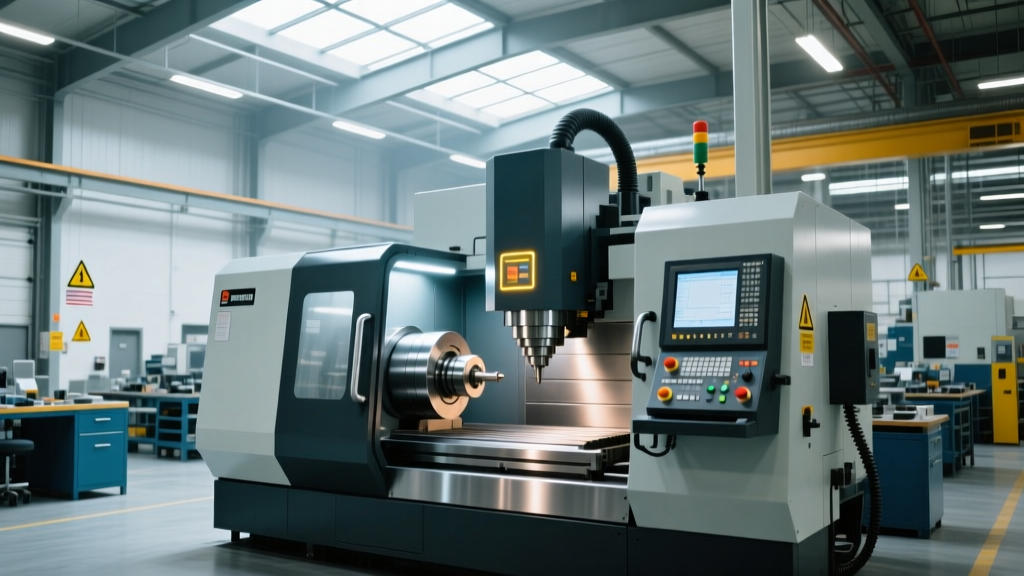
The backbone of SAR manufacturing involves heavy CNC machining, continuous coolant circulation, and high-torque servo pressing. The International Electrotechnical Commission (IEC) 60034-30-1 standard classifies motor efficiency into IE (International Efficiency) codes. While IE3 (NEMA Premium) remains the baseline for most US industrial equipment, forward-thinking facilities are now mandating IE4 (Super Premium) and IE5 (Ultra Premium) ratings for continuous-run applications.
- IE3 (Premium Efficiency): Standard for general-purpose applications. Suitable for intermittent-use machinery like manual drill presses or low-duty packaging lines.
- IE4 (Super Premium Efficiency): Features optimized electromagnetic designs and lower-loss materials. Ideal for 24/7 spindle motors on 5-axis CNCs (e.g., Haas UMC-750) and main hydraulic pumps on press brakes.
- IE5 (Ultra Premium Efficiency): Utilizes permanent magnet synchronous motors (PMSM) or synchronous reluctance motors (SynRM). These are critical for variable-torque applications like Variable Frequency Drive (VFD) controlled air compressors and cooling towers.
According to the U.S. Department of Energy's Advanced Manufacturing Office, upgrading from an IE2 to an IE4 motor on a continuously running 15kW coolant pump can reduce electrical losses by up to 40%, yielding an ROI in under 18 months based on current US industrial energy tariffs.
⚠️ The Hidden Cost of Idle Power in CNC Machining
Many manufacturers focus solely on cutting power, but idle power consumption (when the machine is on but not cutting) can account for up to 30% of a CNC machine's total energy footprint. When evaluating manufacturing equipment energy efficiency ratings, always request the OEM's Specific Energy Consumption (SEC) at idle. Modern SAR production lines utilize automated machine-shutdown protocols and smart sleep modes to eliminate this parasitic draw during tool changes and loading cycles.
Specific Energy Consumption (SEC) Across SAR Materials
Search and rescue equipment relies on extreme-performance materials. Machining 7075-T6 aluminum for pulleys and Ti-6Al-4V titanium for aviation hoist hooks requires vastly different energy profiles. Understanding the SEC—measured in kilowatt-hours per kilogram of material removed (kWh/kg)—is essential for accurate job costing and machine selection.
| Material (SAR Application) | Machining Process | Average SEC (kWh/kg) | Optimal Equipment Rating |
|---|---|---|---|
| 7075-T6 Aluminum (Carabiners) | High-Speed 5-Axis Milling | 4.5 - 8.0 | IE4 Spindle + Regenerative Braking |
| Ti-6Al-4V Titanium (Hoist Hooks) | Low-RPM High-Torque Turning | 18.0 - 28.0 | IE5 Direct-Drive Servo Motors |
| AR500 Steel (Rescue Struts) | Fiber Laser Cutting (6kW) | 2.5 - 4.0 (per kg processed) | High-Efficiency Resonator + VFD Chiller |
Titanium's low thermal conductivity forces machines to run at lower speeds with higher torque, drastically increasing SEC. Specifying lathes with IE5 direct-drive servo motors eliminates the mechanical losses associated with traditional belt-and-gear transmissions, shaving up to 12% off the total energy required per titanium part.
Optimizing Auxiliary Systems: Compressed Air and Lasers
Beyond the primary cutting tools, auxiliary systems dominate the energy profile of a SAR manufacturing plant. Pneumatic testing of rescue valves and anodizing lines require massive volumes of compressed air.
The VFD Compressor Mandate
Traditional fixed-speed 50HP rotary screw compressors waste enormous amounts of energy by unloading (idling) when demand drops. A search rescue equipment manufacturer USA must transition to Variable Speed Drive (VSD) compressors, such as the Atlas Copco GA 37 VSD+. By matching motor speed precisely to air demand, VSD compressors eliminate unloaded running hours. The DOE's Compressed Air Systems guidelines highlight that VFD retrofits can reduce compressed air energy consumption by 30% to 50% in facilities with highly variable demand profiles.
Fiber vs. CO2 Laser Cutting
For fabricating high-strength steel rescue struts and brackets, fiber lasers have entirely superseded CO2 lasers. A 6kW fiber laser (e.g., Amada ENSIS 3015AJ) utilizes solid-state diode pumping, which is inherently more electrically efficient than the gas-discharge excitation of CO2 resonators. Furthermore, fiber lasers do not require the massive, energy-hungry chillers needed to cool CO2 laser tubes and external beam-path mirrors, resulting in a net facility energy reduction of over 55% per cutting hour.
Step-by-Step: Implementing an Energy-Efficient Procurement Policy
To systematically improve your facility's energy profile, integrate efficiency ratings directly into your capital expenditure (CapEx) approval process.
- Establish Baseline SEC: Install sub-meters on your top 5 energy-consuming machines to establish a real-world kWh/part baseline.
- Mandate Minimum IE Codes: Update your OEM procurement specifications to require a minimum of IE4 for all continuous-duty motors and IE5 for all variable-torque applications (pumps, fans, compressors).
- Require Regenerative Drives: For equipment with high deceleration cycles (like rapid-traverse CNC axes or servo press brakes), specify drives with regenerative braking capabilities that feed kinetic energy back into the plant's microgrid rather than burning it off as heat in resistor banks.
- Calculate Total Cost of Ownership (TCO): Reject quotes based solely on initial purchase price. Use a 5-year TCO model that factors in local utility rates, peak demand penalties, and available rebates.
Leveraging ISO 50001 and Utility Rebates
Adopting the ISO 50001 Energy Management Systems standard provides a structured framework for continuous improvement in energy performance. For US-based SAR manufacturers, ISO 50001 certification often unlocks premium tiers of utility rebates. Programs like the DOE's Better Plants initiative and local utility incentives (e.g., PG&E's Non-Residential Retrofit program) can subsidize up to 40% of the cost for upgrading to high-efficiency VFDs, IE4 motors, and smart lighting systems. By aligning your manufacturing equipment energy efficiency ratings with these federal and state frameworks, you transform energy management from a sunk cost into a subsidized strategic advantage.
Frequently Asked Questions (FAQ)
Q: Can we retrofit existing CNC machines with IE4/IE5 motors?
A: Yes, but it requires careful integration. Upgrading a spindle motor to an IE5 permanent magnet motor often requires replacing the original variable frequency drive (VFD) with one specifically programmed for PMSM commutation. The ROI is usually justified only if the machine runs 2+ shifts per day.
Q: How do peak demand charges affect equipment selection?
A: Peak demand charges penalize facilities for their highest 15-minute power draw in a billing cycle. Starting multiple large, fixed-speed motors simultaneously causes massive current spikes. Specifying equipment with soft-starters or VFDs ramps up power draw gradually, flattening the demand curve and drastically lowering these punitive utility fees.
Q: Are there specific energy standards for hydraulic rescue tool manufacturing?
A: While there is no single SAR-specific energy standard, the testing of hydraulic pumps and valves requires continuous-run test stands. These test stands should be equipped with IE4-rated electric motors and variable-displacement hydraulic pumps to minimize energy wasted as heat through pressure relief valves during testing cycles.