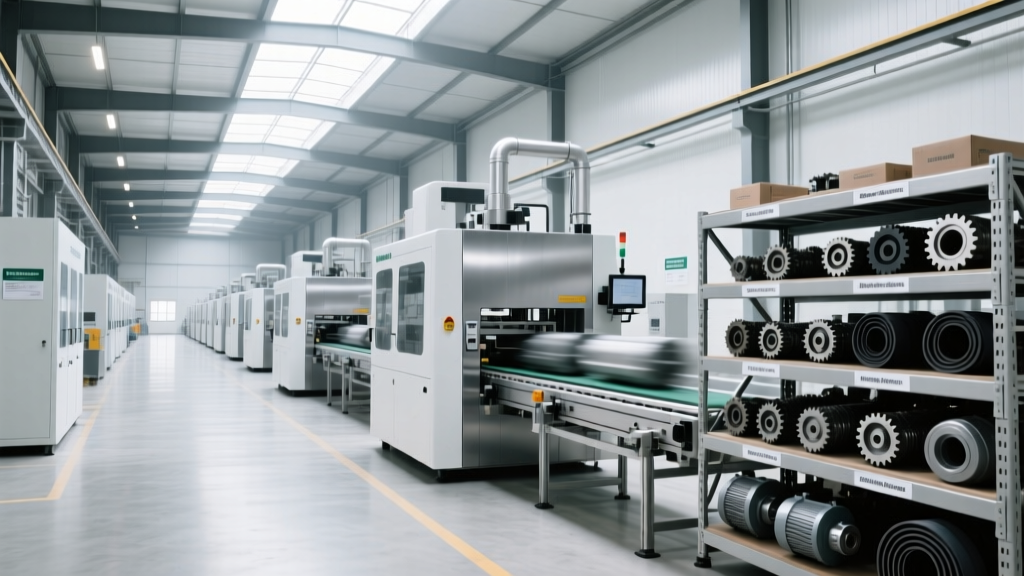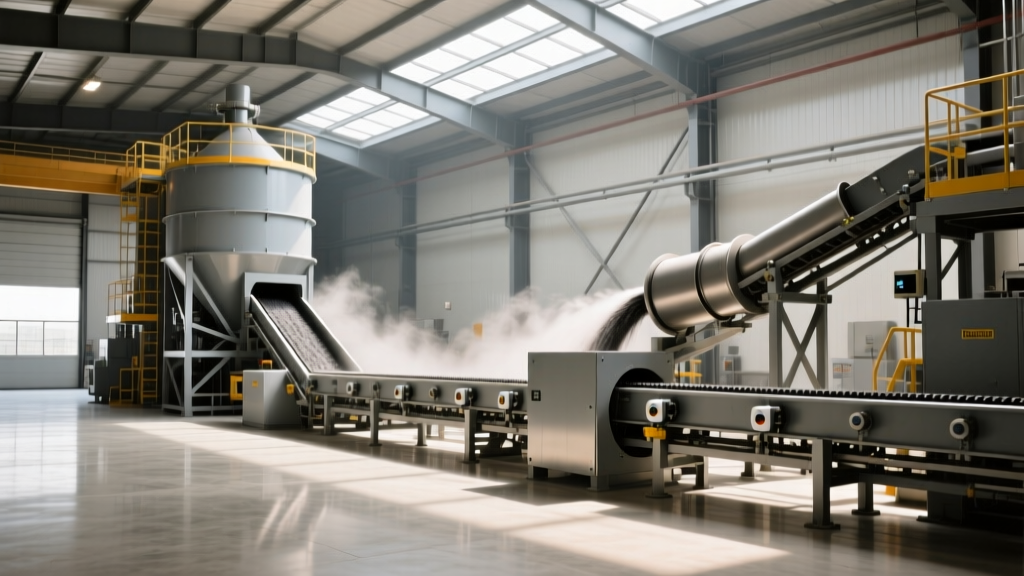
Batch vs Continuous Asphalt Plant Safety in MN
Compare batch vs continuous asphalt mixing equipment in MN. Learn 2026 MPCA safety regulations and emission controls.
Key Takeaways
- Batch hot mix asphalt plants offer superior mix flexibility and lower blue smoke exposure during discharge.
- Continuous drum plants provide higher throughput but require advanced blue smoke capture and silica dust mitigation.
- Minnesota facilities must comply with strict 2026 Minnesota Pollution Control Agency (MPCA) emission limits and MNOSHA silica standards.
- Routine baghouse maintenance is critical for maintaining 99.9 percent particulate capture efficiency.
Hot mix asphalt (HMA) mixing plant equipment in Minnesota requires strict adherence to both batch and continuous drum safety protocols, governed by the Minnesota Pollution Control Agency (MPCA) and the Minnesota Occupational Safety and Health Administration (MNOSHA). While batch plants offer precise mix control with lower dust exposure during discharge, continuous plants provide higher throughput but demand rigorous blue smoke and silica dust mitigation.
This guide is designed for asphalt plant managers, equipment procurement officers, and safety directors operating hot mix asphalt facilities in Minnesota. It provides a technical comparison of plant types, regulatory requirements, and actionable safety frameworks for 2026 operations.
Core Differences in HMA Mixing Plant Equipment
Selecting the correct HMA mixing plant equipment in Minnesota hinges on balancing production volume with occupational safety mandates. The fundamental mechanical differences dictate the required safety infrastructure.
Defining Batch and Continuous Drum Plants
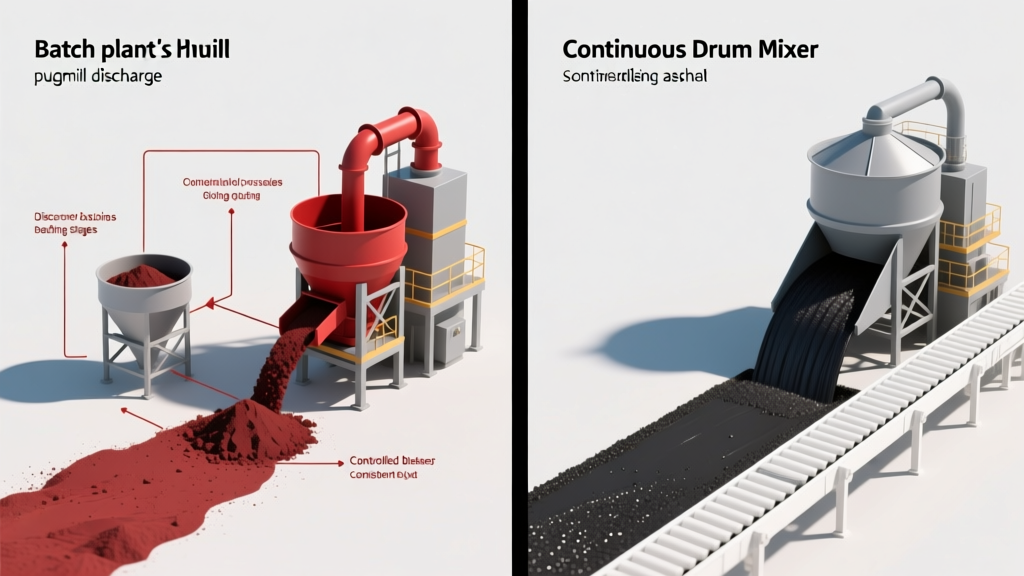
Batch Hot Mix Asphalt Plant: A batch hot mix asphalt plant produces asphalt in distinct, measured batches. Aggregates are dried in a rotary dryer, then transferred to a pugmill where liquid asphalt cement is added. This method allows for precise recipe changes between individual 3-ton to 5-ton batches.
Continuous Drum Hot Mix Asphalt Plant: A continuous drum hot mix asphalt plant mixes aggregates and asphalt cement simultaneously inside a single rotating drum. Aggregates enter one end while liquid asphalt is injected further down. This uninterrupted process yields higher production volumes but offers less flexibility for rapid mix design changes.
Minnesota Safety and Environmental Compliance
Operating HMA mixing plant equipment in Minnesota requires navigating specific state-level environmental and occupational frameworks. Facility managers must align equipment capabilities with these legal thresholds.
Minnesota Pollution Control Agency (MPCA) Emissions Standards
The Minnesota Pollution Control Agency enforces stringent particulate matter and volatile organic compound (VOC) limits for asphalt facilities. Under the 2026 MPCA Title V permit guidelines, continuous drum plants must utilize advanced blue smoke capture systems at the discharge end. The Minnesota Pollution Control Agency asphalt paving guidelines mandate that visible emissions cannot exceed a 5 percent opacity limit during steady-state operations.
Minnesota Occupational Safety and Health Administration (MNOSHA) Worker Protections
Silica dust exposure remains a primary hazard when handling virgin aggregates. The Occupational Safety and Health Administration respirable crystalline silica standard limits worker exposure to 50 micrograms per cubic meter of air over an 8-hour time-weighted average. Batch plants naturally mitigate this at the mixing stage due to enclosed pugmills, but continuous plants require enclosed conveyor transfer points and localized exhaust ventilation.
Equipment Maintenance and Safety Integration
Proper maintenance of HMA mixing plant equipment directly correlates with site safety and regulatory compliance in Minnesota. Neglected equipment leads to fugitive emissions and increased worker hazard exposure.
Baghouse and Dust Collection Systems
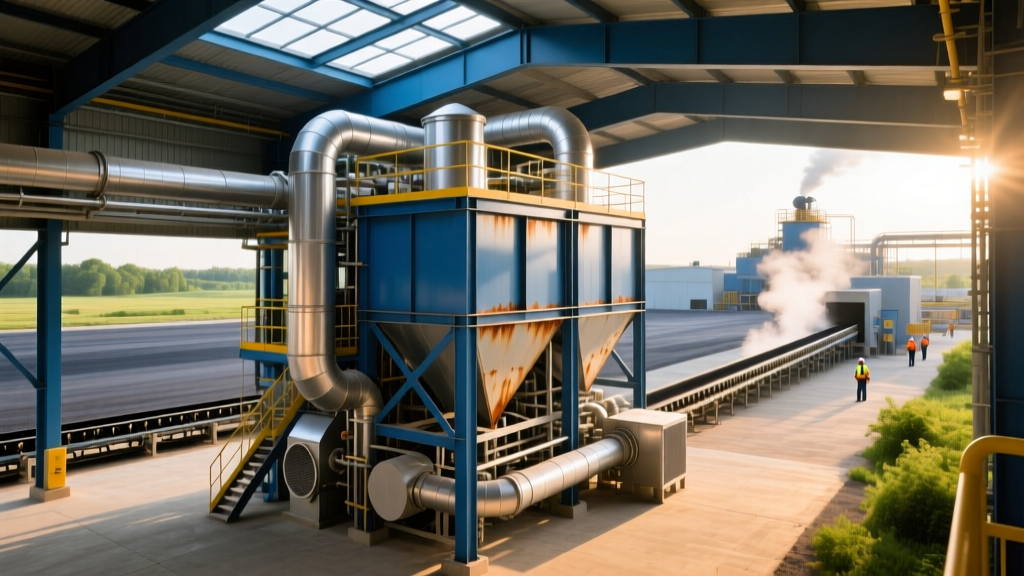
The primary air pollution control device for both plant types is the pulse-jet baghouse. To maintain a 99.9 percent particulate capture efficiency, operators must inspect the filter media every 400 tons per hour of production. A compromised baghouse allows fine mineral filler to escape, creating slip hazards on the plant deck and violating MPCA opacity rules.
Thermal Fluid and Burner Safety
Heating liquid asphalt cement to 300 degrees Fahrenheit requires precise thermal fluid heater maintenance. Annual inspections of the burner assembly, expansion tanks, and circulation pumps prevent catastrophic thermal fluid leaks. Minnesota fire codes require secondary containment berms around all thermal fluid storage vessels.
Decision Framework: Choosing the Right Plant
Use the following matrix to evaluate which HMA mixing plant equipment configuration best suits your specific Minnesota project requirements and safety capabilities.
| Feature | Batch Plant | Continuous Drum Plant |
|---|---|---|
| Production Capacity | 150 to 400 tons per hour | 200 to 600+ tons per hour |
| Mix Flexibility | High (easy recipe changes) | Low (requires system flush) |
| Blue Smoke Exposure | Lower (enclosed pugmill) | Higher (requires capture systems) |
| Silica Dust Control | Enclosed aggregate elevator | Requires enclosed conveyors |
| Best MN Application | Urban paving, specialized mixes | Highway projects, high-volume base |
Frequently Asked Questions
What are the specific hot mix asphalt plant safety regulations in Minnesota?
Minnesota regulations require compliance with MPCA air quality permits for particulate and VOC emissions, alongside MNOSHA standards for respirable crystalline silica and noise exposure. Facilities must also maintain secondary containment for liquid asphalt and thermal fluid storage.
How do batch vs continuous HMA plant emissions compare?
Continuous drum plants generally produce higher blue smoke emissions at the discharge point due to the continuous flow of hot material. Batch plants contain the mixing process within an enclosed pugmill, significantly reducing localized VOC and blue smoke exposure for ground-level workers.
What is the most critical Minnesota asphalt plant equipment maintenance task?
Inspecting and replacing the baghouse filter media is the most critical task. A failing baghouse immediately causes MPCA opacity violations and increases worker exposure to hazardous silica dust. Operators should monitor differential pressure gauges daily.
Conclusion and Next Steps
Selecting and operating HMA mixing plant equipment in Minnesota requires balancing production efficiency with rigorous environmental and occupational safety standards. Batch plants excel in mix flexibility and localized emission control, while continuous plants dominate in high-volume output when equipped with proper blue smoke capture systems.
To ensure your facility remains compliant for the upcoming paving season, schedule a comprehensive review of your current MPCA Title V permit and conduct a baseline MNOSHA silica air monitoring test this quarter.