Heavy Equipment Tattoo Ideas & Safety Culture in Renewable Energy
Explore heavy equipment tattoo ideas, operator culture, and rigorous safety training best practices for renewable energy construction sites in 2026.
The heavy equipment operator community has a long-standing tradition of using body art to signal trade pride, safety milestones, and machinery expertise. As the global push for green infrastructure accelerates in 2026, the intersection of operator culture and strict corporate safety protocols has created a unique environment on renewable energy construction sites. When browsing for heavy equipment tattoo ideas, modern operators in the renewable sector are increasingly moving away from generic diesel engine motifs, choosing instead to commemorate their specialized roles in wind, solar, and geothermal earthmoving.
However, expressing trade pride through ink on open-air renewable sites introduces distinct safety, training, and environmental challenges. This guide bridges the cultural aspects of operator identity with the rigorous, data-driven training and best practices required to operate specialized machinery on modern solar arrays and wind turbine pads.
Trade Pride Meets Green Energy: Modern Ink Trends
For operators transitioning from traditional commercial grading to renewable energy projects, the machinery and the mission change. The most sought-after heavy equipment tattoo ideas in the green energy sector now reflect precision technology and sustainable infrastructure:
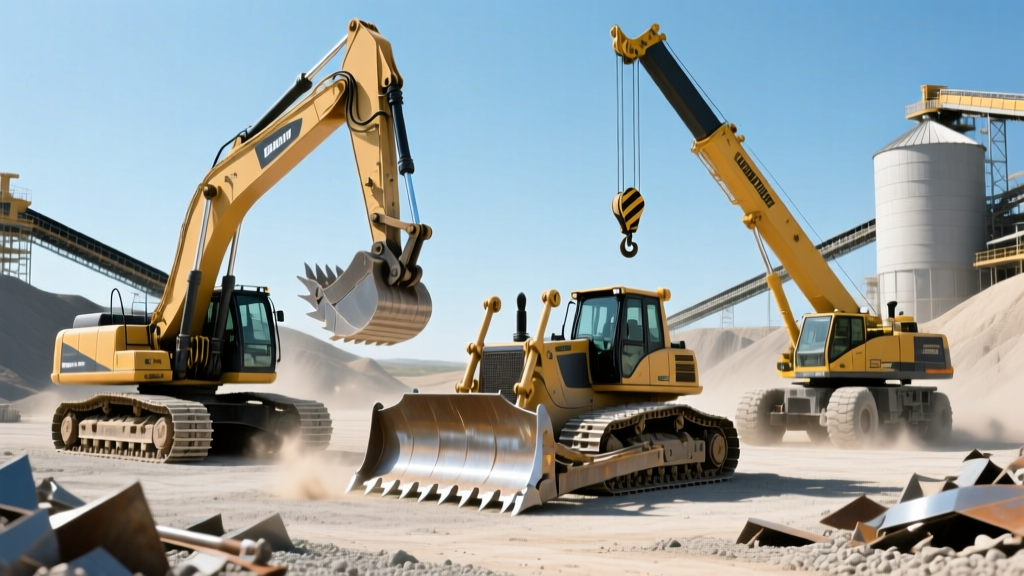
- The Wind Nacelle Silhouette: Often featuring the boom geometry of a Liebherr LR 11300 crawler crane hoisting a 110-ton nacelle, symbolizing the operator's role in critical lift operations.
- Topographic Solar Grading Lines: Minimalist contour lines mirroring the digital terrain models (DTM) used in Trimble Earthworks GPS machine control, representing the +/- 20mm precision required for solar racking systems.
- Geothermal Core Samples: Stylized drill rigs and stratified earth layers, popular among operators working on deep-loop geothermal heat exchange trenching.
While trade pride is high, major Engineering, Procurement, and Construction (EPC) firms managing utility-scale solar farms enforce strict Personal Protective Equipment (PPE) rules. Operators with extensive arm or neck tattoos working in unshaded solar fields must adhere to stringent UPF (Ultraviolet Protection Factor) clothing mandates to prevent severe UV radiation exposure, which degrades tattoo ink and exponentially increases melanoma risks.
The UV Reality: Protecting Skin and Art on Solar Sites
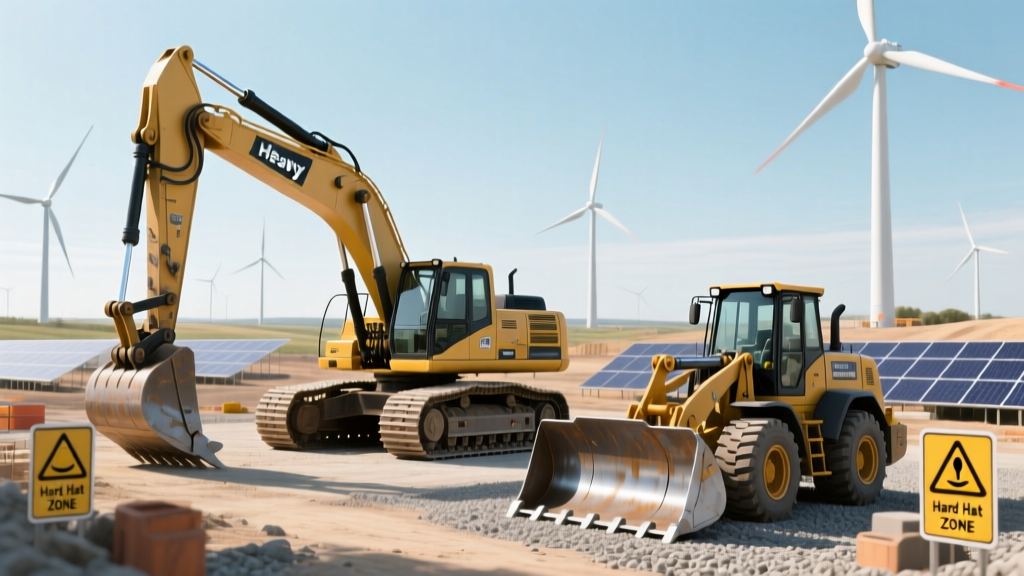
Utility-scale solar farms require vast, completely deforested, and unshaded tracts of land. Operators performing precision grading in a Cat D6 XE electric-drive dozer are exposed to intense, reflected UV radiation from both the sun and the thousands of glass photovoltaic panels being installed around them.
According to the Occupational Safety and Health Administration (OSHA), outdoor construction workers face severe heat and sun exposure risks that compound over a 10-hour shift. For operators with visible tattoos, the ink acts as a minor thermal absorber, but the surrounding skin remains highly vulnerable.
Mandatory 2026 Solar Site PPE for Operators
| PPE Item | Specification | Purpose |
|---|---|---|
| Base Layer Shirt | UPF 50+, long-sleeve, moisture-wicking | Blocks 98% of UV rays; protects tattoo integrity and prevents sunburn. |
| Cooling Neck Gaiter | UPF 40+ with evaporative cooling | Protects neck ink and regulates core body temperature in 95°F+ heat. |
| Cab Window Tint | Ceramic IR rejection (legal limit) | Reduces cab ambient temp and blocks UVA rays that fade ink over time. |
Core Operator Training for Renewable Earthmoving
Operating heavy equipment on renewable sites requires specialized certifications that go beyond standard OSHA 30-Hour Construction training. The National Center for Construction Education and Research (NCCER) has updated its Heavy Equipment Operations curriculum to include modules specifically for renewable energy grading, which involves working on highly compacted, erosion-sensitive soils near high-voltage infrastructure.
2026 Renewable Equipment Training & Certification Matrix
| Machinery Type | Renewable Application | Required Certification | 2026 Avg. Cost |
|---|---|---|---|
| Cat D6 XE Dozer | Solar Array Precision Grading | NCCER Level 3 + GPS Machine Control | $5,200 |
| Komatsu PC490LC-11 | Wind Turbine Pad Excavation | NCCER Level 2 + Deep Trench Safety | $4,800 |
| Liebherr LTM 11200 | Wind Nacelle & Blade Lifting | NCCCO Mobile Crane + Wind Spec | $8,500+ |
Precision Earthmoving: Best Practices by Sector
The transition from traditional site prep to renewable energy construction demands a shift in operational mindset. Tolerances are tighter, and the environmental impact of soil compaction is heavily scrutinized.
Solar Farm Precision Grading (Cat D6 XE)
Solar panel racking systems require driven piles to be perfectly plumb. If the ground tolerance varies by more than 50mm across a 50-acre array, the automated pile-driving rigs will misalign, causing structural stress on the panels.
💡 Pro-Tip: GPS Base Station CalibrationWhen operating a Cat D6 XE equipped with Trimble Earthworks on a solar site, operators must calibrate the GPS base station daily at dawn. Thermal expansion of the rover poles and atmospheric ionospheric shifts in the afternoon can introduce a 12-15mm error margin, which is unacceptable for solar grading.
Wind Turbine Foundation Excavation (Komatsu PC490LC-11)
Wind turbine pads require massive excavations, often 60 feet in diameter and 10 feet deep, to accommodate reinforced concrete gravity foundations. Operators must manage extreme edge loads and prevent soil liquefaction.
- Berm Management: Maintain a minimum 4-foot safety berm around the excavation perimeter. The PC490LC-11's 40-ton operating weight can induce shear failure in sandy loam soils if parked within 15 feet of an unsupported edge.
- Track Decontamination: Wind sites are often in pristine agricultural or ecological zones. Operators must use track-cleaning protocols (pressure washing undercarriages) before leaving the pad to prevent the spread of invasive seeds or topsoil pathogens, a strict requirement outlined by the U.S. Department of Energy environmental compliance guidelines.
Site Culture vs. Corporate Safety: A Comparison
How do traditional construction sites compare to modern renewable energy sites regarding operator culture, safety enforcement, and environmental compliance?
| Feature | Traditional Commercial Site | Utility-Scale Renewable Site (2026) |
|---|---|---|
| Visible Tattoo Policy | Generally relaxed; focus on hard hats and vests. | Strict UPF clothing mandates often cover ink for UV protection. |
| Machine Control Tech | 2D laser grading common; 3D GPS optional. | Mandatory 3D GPS/Total Station integration for pile alignment. |
| Soil Compaction Rules | Focused on structural load-bearing capacity. | Dual focus: load-bearing + preserving topsoil for post-build revegetation. |
| Shift Timing | Standard 7 AM - 4 PM schedules. | Split shifts or pre-dawn starts to avoid peak solar heat stress. |
Frequently Asked Questions
Do renewable energy EPCs ban visible tattoos?
No, major EPCs do not ban tattoos based on appearance. However, their strict adherence to OSHA sun exposure and heat stress mitigation protocols requires operators to wear UPF-rated long sleeves and neck gaiters, which naturally covers most arm and neck tattoos during working hours.
What is the most in-demand equipment skill for solar construction?
Proficiency in 3D GPS machine control systems (specifically Trimble Earthworks and Topcon MAGNET) is the most lucrative skill for solar grading operators. Mastery of these systems allows operators to achieve the strict +/- 20mm tolerances required for automated pile-driving machinery.
Are heavy equipment operator salaries higher in renewable energy?
Yes. Due to the specialized nature of wind crane lifts and precision solar grading, certified operators in the renewable sector typically command a 12% to 18% wage premium over traditional commercial earthmoving operators, with per diems often included for remote wind farm deployments.