Finding a Heavy Equipment Playground Near Me: Ag vs Construction
Compare agricultural and construction machinery training. Learn what to expect and how to choose when searching for a heavy equipment playground near me.
The Operational Divide: Earthmoving vs. Agronomy
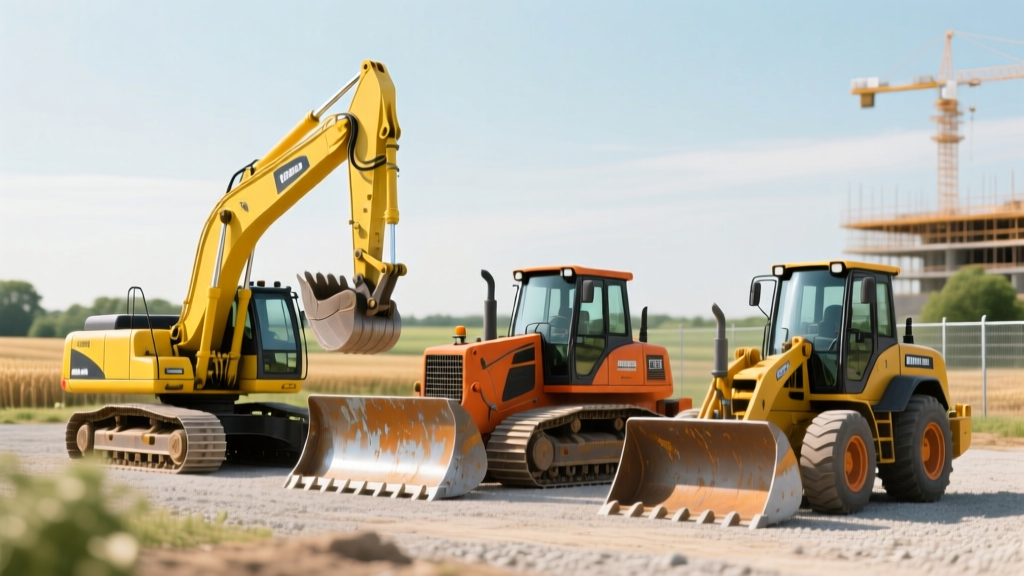
When you type 'heavy equipment playground near me' into your search engine, you are likely looking for hands-on experience centers, commercial training yards, or heavy equipment dealer open-houses. These facilities offer civilians, hobbyists, and novice operators the chance to move dirt, trench, and operate heavy machinery in a controlled environment. However, not all experience centers are created equal. The machinery they offer generally splits into two distinct categories: construction and agricultural.
Understanding the operational, mechanical, and safety differences between a Cat 320 excavator and a John Deere 8R tractor is critical before you book a day pass or sign up for a certification track. The physics of soil engagement, the hydraulic flow requirements, and the primary safety hazards differ vastly between these two sectors. This guide breaks down what to expect from each training track and how to evaluate the quality of your local experience center.
Decision Framework: Which Track Fits Your Goals?
- Choose Construction Training If: Your goal is to work in site preparation, utility trenching, or material handling. You need to master 360-degree swing awareness, load charts, and precise joystick feathering in confined, high-traffic zones.
- Choose Agricultural Training If: You are managing large acreage, focusing on crop yields, or operating high-horsepower traction equipment. You need to master Power Take-Off (PTO) safety, GPS auto-steer calibration, and ground-pressure management to prevent soil compaction.
Construction Track Best Practices: Swing Radii and Hydraulics
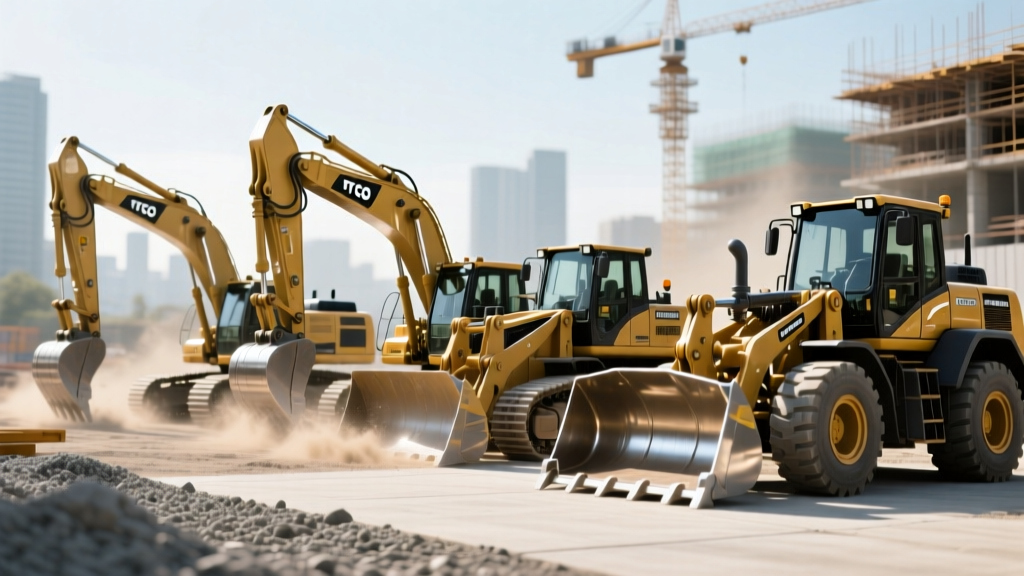
Construction equipment is designed for high-impact material handling, trenching, and grading in confined, often unstable environments. At a premier heavy equipment playground, the construction track will typically feature mid-size excavators like the Caterpillar 320 GC and wheel loaders like the Volvo L120H.
Mastering the Swing Radius and Trenching Safety
The 360-degree swing radius of an excavator is one of the leading causes of site fatalities. According to OSHA construction safety guidelines, operators must maintain strict awareness of the machine's tail swing and counterweight clearance. When training at an experience center, certified instructors should enforce the 'two-barrier' rule: physical barricades to keep ground personnel out of the swing zone, and visual spotters for blind spots.
When trenching, novice operators often make the mistake of digging straight down with the bucket curled, which creates a vacuum effect and stalls the hydraulic system. Best practice dictates digging at a 45-degree angle, extending the stick while curling the bucket to break the soil matrix efficiently. For a machine like the Cat 320 GC, which produces roughly 162 net horsepower and features a load-sensing hydraulic system, feathering the joysticks rather than slamming them to the detents prevents hydraulic shock and extends the life of the swing bearing.
Track Tension and Walk-Around Inspections
Before climbing into the cab, operators must perform a rigorous walk-around. For tracked excavators, checking track tension is non-negotiable. The standard measurement requires lifting the front idler and measuring the sag between the idler and the first track roller. For standard 31-inch triple-grouser shoes, the ideal sag is typically between 1.0 and 1.5 inches. Too tight, and you risk blowing the final drive seals; too loose, and the track will de-track during a side-slope pivot.
Agricultural Track Best Practices: PTO Safety and Ground Pressure
Agricultural equipment prioritizes sustained horsepower, continuous traction, and precision over vast, uneven acreage. The agricultural track at a specialized facility will feature high-horsepower row-crop tractors like the John Deere 8R 410 or combines like the Case IH Axial-Flow 9250.
The Fatal Hazard: PTO Entanglement
The Power Take-Off (PTO) shaft transfers engine power to implements like rotary mowers and balers, typically operating at 540 or 1000 RPM. At 1000 RPM, a PTO shaft wraps clothing or limbs in a fraction of a second. The CDC NIOSH agricultural safety division consistently identifies PTO entanglements as a leading cause of severe and fatal farm injuries. Best practice training mandates that operators never step over an engaged PTO shaft, always ensure the master shield and implement shields are intact and rotating freely, and shut down the tractor entirely before approaching the driveline.
Managing Ground Pressure with VF Tires
Modern agricultural training heavily emphasizes soil health through ground pressure management. A fully ballasted John Deere 8R 410 can weigh over 35,000 pounds. To prevent severe soil compaction—which restricts root growth and reduces crop yields—operators are trained to use Very High Flexion (VF) tires. VF tires can carry the same load as standard radial tires but at 40% lower air pressure. Operators must learn to dynamically adjust the central tire inflation system (CTIS), dropping pressures to 12-15 PSI in the field to maximize the tire footprint, and inflating to 20+ PSI for high-speed road transport.
Machine Comparison Matrix: Ag vs. Construction
| Feature | Construction (e.g., Cat 320 GC) | Agricultural (e.g., John Deere 8R 410) |
|---|---|---|
| Primary Metric | Cycle Time & Swing Torque | Drawbar Pull & Fuel Efficiency |
| Hydraulic Focus | High-flow attachments (breakers, shears) | Closed-center load-sensing for steering/3-point hitch |
| Primary Safety Hazard | Swing radius crushing & trench cave-ins | PTO entanglement & Rollover (ROPS) |
| Technology Integration | 2D/3D GPS machine control for grading | RTK Auto-steer & ISOBUS implement communication |
| 2026 Day Pass Cost | $400 - $650 | $300 - $500 |
Vetting Your Local Heavy Equipment Playground
Finding a 'heavy equipment playground near me' is easy; finding one that prioritizes mechanical integrity and certified instruction requires due diligence. Before handing over your credit card for a day pass or a multi-week certification course, evaluate the facility against these criteria.
The Simulator Prerequisite
Top-tier training facilities in 2026 do not put novices directly into a $350,000 machine. Look for centers that utilize advanced simulator technology, such as CM Labs Vortex or Cat Simulators. These systems track your cycle times, fuel burn, and hydraulic shock events. A reputable facility will require you to pass a simulated trenching or baling module before granting you access to the physical iron.
Warning: Red Flags at Experience Centers- Missing Hour Meters: If the digital displays are broken or hour meters are obscured, the facility may be hiding deferred maintenance on high-wear components like swing bearings and final drives.
- Grease Zerk Neglect: Inspect the boom and stick pins on excavators. If the grease zerks are caked in dirt or missing, the pivot bushings are likely scored, leading to sloppy hydraulics and dangerous load drops.
- Uncertified Instructors: Ensure the lead instructors hold current certifications from recognized bodies like the NCCCO (National Commission for the Certification of Crane Operators) or equivalent heavy machinery accreditation boards.
Summary: Booking Your Training Experience
Whether you are looking to master the precise swing torque of a construction excavator or calibrate the sub-inch RTK GPS auto-steer on an agricultural tractor, the right heavy equipment playground will bridge the gap between theory and muscle memory. Prioritize facilities that enforce strict walk-around inspections, mandate simulator prerequisites, and maintain their fleets to OEM specifications. By understanding the distinct mechanical demands and safety profiles of the Ag versus Construction tracks, you can select the training environment that aligns with your operational goals and ensures a safe, highly productive learning experience.