Heavy Equipment Appraiser Guide: Snow Removal Machinery Failures
Learn how a heavy equipment appraiser evaluates winter damage, hydraulic failures, and frame cracks in snow removal loaders to determine repair viability.
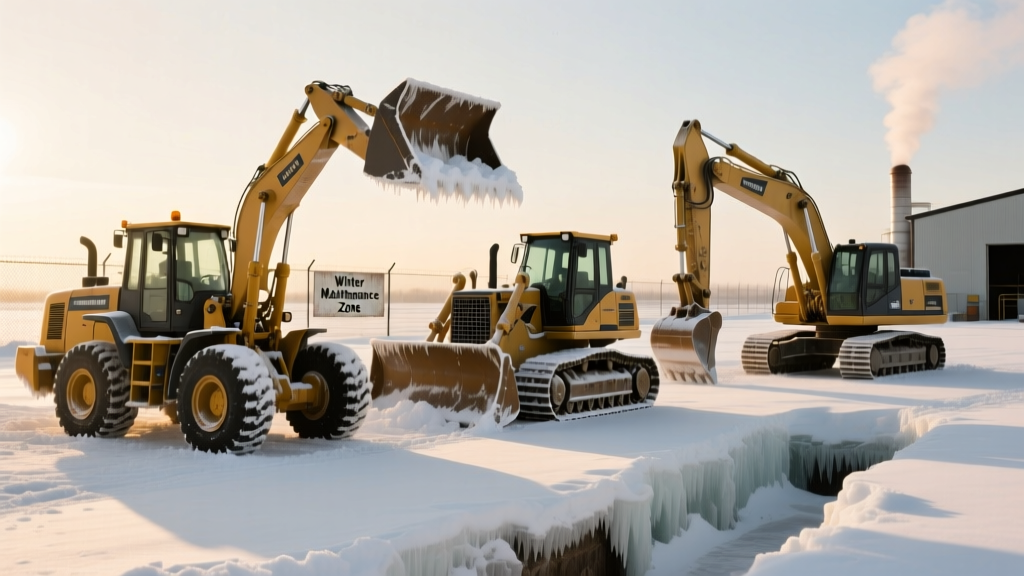
Snow removal equipment operates in the most punishing conditions of any heavy machinery sector. Sub-zero ambient temperatures, high-impact curb strikes hidden under snowbanks, and continuous high-RPM PTO operation push wheel loaders, motor graders, and skid steers far past their standard design limits. When catastrophic failures occur mid-season, fleet managers face an urgent dilemma: execute an emergency field repair or declare the machine a total loss and source a replacement. This is where a certified heavy equipment appraiser becomes critical. By applying Uniform Standards of Professional Appraisal Practice (USPAP) methodologies, an appraiser does not merely estimate repair costs; they calculate the diminished value, functional obsolescence, and structural fatigue of a winter-abused machine.
Hydraulic Cavitation and Cold-Start Pump Scoring
The most common catastrophic winter failure in wheel loaders like the Caterpillar 950M or John Deere 644L occurs during cold-start operations. Running standard ISO VG 32 hydraulic fluid at -10°F causes immediate fluid starvation. The pump cavitates, creating micro-pitting on the bronze valve plates and scoring the piston barrels within minutes of startup.
Troubleshooting the Failure
- Audible Symptoms: A high-pitched whining or screaming noise from the main hydraulic bay, distinct from normal gear whine.
- Performance Symptoms: Sluggish boom response, erratic steering, and rapid fluid overheating despite sub-zero ambient air temperatures.
- Physical Inspection: Check the hydraulic filter for fine bronze particulate (glitter). If present, internal pump scoring has already occurred.
The Appraiser's Evaluation Lens
When assessing a loader with suspected cold-start damage, a heavy equipment appraiser will mandate a hydraulic oil spectrometric analysis and a physical teardown of the main gear pump. If scoring exceeds 0.005 inches on the barrel face, the pump is condemned. Replacing a main hydraulic pump on a 950M costs between $14,000 and $18,500 (parts and labor). However, the appraiser's primary focus is the diminished value. Because the machine suffered severe internal starvation, the appraiser will apply a 12% to 15% diminished value penalty to the machine's overall Fair Market Value (FMV), reflecting the reduced lifespan of the downstream hydraulic valves and cylinders that were subjected to contaminated fluid.
Articulation Hinge and Frame Stress Fractures
Snow pushers (such as 14-foot or 16-foot containment plows) add immense leverage and weight to the front axle of a wheel loader. When an operator strikes a frozen windrow or hidden concrete median at 12 mph, the kinetic energy bypasses the bucket linkage and transfers directly into the chassis articulation joint.
Troubleshooting the Failure
- Visual Cues: Visible grease weeping from the upper hinge pin seals or hairline cracks in the chassis welds near the steering cylinders.
- Mechanical Play: Lateral play exceeding 1/8 inch when the bucket is fully curled and the machine is placed in neutral.
- Operational Feel: A distinct 'clunk' or lateral shift when transitioning from forward to reverse while pushing heavy snow.
The Appraiser's Evaluation Lens
Frame damage is the fastest route to a 'total loss' designation in the appraisal world. According to structural valuation guidelines followed by the American Society of Appraisers, non-OEM structural weld repairs on heavy chassis components permanently alter the machine's fatigue life. An appraiser will deduct up to 35% of the machine's FMV if aftermarket frame welding is detected, regardless of the repair quality. If the articulation bore is elongated beyond OEM tolerances (typically +0.020 inches), the chassis is often deemed economically unrepairable.
| Component / Damage Type | Estimated Repair Cost (2026) | Appraised FMV Deduction |
|---|---|---|
| Upper Hinge Pin & Bushing Replacement | $4,500 - $7,000 | 0% (Considered standard wear) |
| Articulation Bore Line-Boring | $8,500 - $12,000 | 5% - 8% Diminished Value |
| Chassis Weld Repair (Non-OEM) | $2,500 - $5,000 | 20% - 35% Diminished Value |
| Main Frame Crack (Through-Plate) | $15,000+ | Total Loss / Salvage Title |
PTO Driveline and Snow Blower Auger Shear Failures
Skid steers and compact track loaders (e.g., Case SR210B or Caterpillar 299D3) running 84-inch commercial snow blowers frequently strike hidden obstacles like manhole covers or frozen curbs. This is designed to snap the shear pins. However, if an operator replaces the factory shear pins with Grade 8 hardened steel bolts to 'save time,' the shockwave from the next impact will bypass the protection mechanism.
Troubleshooting the Failure
The resulting shockwave travels directly up the PTO shaft. Symptoms include severe vibration at high RPM, metallic grinding emanating from the blower gearbox, and an inability to engage the auger clutch smoothly. In severe cases, the driveline splines twist, or the blower gearbox housing cracks along the mounting flange.
The Appraiser's Evaluation Lens
The appraiser's primary concern is whether the attachment damage has compromised the host machine's PTO output shaft or hydrostatic drive system. If the host machine's output shaft spline is twisted due to operator negligence (using hardened bolts), the appraiser will classify the damage as 'abuse' rather than 'normal wear and tear.' This distinction is critical for insurance claims and warranty voidance. The appraiser will document the shear pin modification as evidence of functional misuse, which can reduce the machine's appraised trade-in value by $6,000 to $9,000 to account for the necessary PTO drivetrain overhaul.
Undercarriage Ice-Jacking on Crawler Dozers
Crawler dozers (like the Cat D5 or John Deere 850L) used for snow clearing are highly susceptible to 'ice-jacking.' Wet snow packs tightly into the sprockets, idlers, and track links. When the machine is parked overnight, this moisture freezes and expands, generating thousands of pounds of outward pressure on the track tensioning system.
Troubleshooting and Appraisal Impact
Ice-jacking frequently blows out the grease adjuster seals and permanently bends the track adjuster cylinders. If the operator attempts to move the machine in the morning without breaking the ice packing, the excessive tension can snap the track chain or strip the final drive sprocket teeth. An appraiser evaluating a snow-cleared dozer will measure the track chain stretch and sprocket wear using ultrasonic calipers. Because undercarriage replacement can account for 50% of a dozer's total repair budget, an appraiser will heavily penalize the FMV if ice-jacking has caused premature link and bushing wear, often deducting $18,000 to $25,000 from the machine's valuation to cover the accelerated undercarriage replacement cycle.
The Appraiser's Decision Matrix: Repair vs. Salvage
When a snow removal machine suffers a major failure, fleet managers and insurance adjusters rely on the heavy equipment appraiser to provide a definitive repair-or-salvage recommendation. The decision is governed by a strict financial matrix based on current USPAP standards and market realities.
- Calculate Current FMV: Determine the machine's Fair Market Value immediately prior to the failure, adjusting for regional demand (e.g., wheel loaders command a premium in the Northeast US during Q1).
- Estimate Gross Repair Cost: Include OEM parts, specialized labor, and freight.
- Calculate Diminished Value (DV):strong> Apply the structural or systemic DV penalty based on the repair type (e.g., 15% for major hydraulic contamination).
- Apply the 65% Rule: If the Gross Repair Cost PLUS the Diminished Value penalty exceeds 65% of the pre-loss FMV, the appraiser will recommend declaring the machine a total loss and selling it for salvage.
Warning on Telematics Data: In 2026, modern appraisers routinely pull machine telematics (e.g., Cat Product Link, JDLink) to verify operating conditions prior to failure. If the data shows the operator ignored low-temperature hydraulic warnings or bypassed PTO torque limits, the appraiser will classify the failure as negligent abuse, drastically altering insurance payout structures and salvage valuations.
Understanding the intersection of mechanical troubleshooting and financial appraisal allows fleet managers to make data-driven decisions. By maintaining strict winterization protocols and utilizing proper shear components, operators can prevent the catastrophic failures that lead to severe appraisal deductions and premature equipment retirement.