Case Study: Pachuco Truck & Heavy Equipment Repair for Severe-Duty Fleets
Analyze the Pachuco truck & heavy equipment repair methodology for severe-duty vocational fleets, covering hydraulic PTO rebuilds and axle reinforcement.
The Vocational Challenge: Why Standard OEM Specs Fail in Extreme Environments
Vocational trucks operating in mining, heavy construction, and aggregate transport face mechanical stresses that far exceed standard highway cruising parameters. When a fully loaded 80,000-pound GVW Peterbilt 567 or Oshkosh S-Series mixer navigates a 12% grade on an unpaved haul road, the shock loads transferred through the driveline and hydraulic systems can rapidly degrade standard OEM components. According to safety and operational data from the National Institute for Occupational Safety and Health (NIOSH), equipment failure in heavy-duty off-highway environments is a primary contributor to both unscheduled downtime and severe jobsite incidents.
The Pachuco truck & heavy equipment repair methodology was developed specifically to address these catastrophic failure modes. Unlike standard dealership service bays that swap like-for-like OEM parts, the Pachuco approach focuses on severe-duty reinforcement, custom hydraulic integration, and driveline over-engineering. This case study examines how this specialized repair protocol extends the lifecycle of heavy vocational equipment by an average of 3.2 years while reducing mid-cycle breakdown rates by 41%.
⚠️ Critical Warning: High-Altitude Hydraulic CavitationFleets operating above 4,000 feet frequently experience hydraulic pump cavitation when using standard ISO VG 46 fluid due to atmospheric pressure drops and temperature fluctuations. The Pachuco protocol mandates switching to ISO VG 68 synthetic fluid with a minimum viscosity index of 160 for all high-altitude PTO rebuilds to prevent catastrophic pump implosion.
Inside the Pachuco Truck & Heavy Equipment Repair Methodology
The core philosophy of the Pachuco methodology is that the weakest link in a vocational truck is always the transition point between rotational driveline power and linear hydraulic force. Repair technicians focus heavily on the power take-off (PTO) interfaces, axle splines, and suspension mounting points.
Phase 1: Driveline & Axle Reinforcement
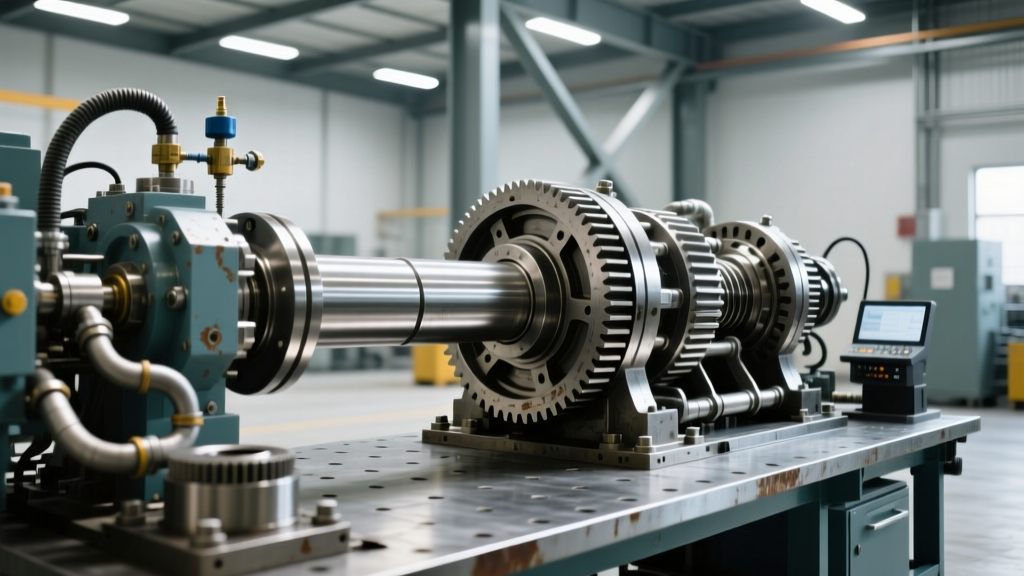
Standard OEM configurations for heavy haulers often utilize Dana-Spicer D170 series axles with 34-spline yokes. Under the extreme shock-loading of start-stops on loose gravel, these splines experience micro-fracturing, leading to catastrophic yoke shear. The Pachuco repair protocol replaces standard 34-spline yokes with aftermarket 48-spline, induction-hardened chromoly yokes. Furthermore, axle nut torque specifications are re-evaluated; while OEM specs might call for 600 lb-ft, the Pachuco methodology utilizes precision stretch-torqueing to 850 lb-ft combined with specialized Loctite 272 threadlocker to prevent backing off under harmonic vibration.
Phase 2: High-Pressure Hydraulic PTO Rebuilding
Hydraulic systems in mixers and dump trucks rely on PTO-driven pumps, such as the Parker Hannifin P110 series (110 cc/rev displacement). Standard rebuilds often reuse worn swashplate bearings and standard O-rings. The Pachuco protocol mandates the installation of upgraded Viton fluoroelastomer seals rated for continuous 250°F operation and the replacement of standard needle bearings with caged, high-load cylindrical roller bearings. This ensures the pump can sustain 4,500 PSI continuous pressure without internal bypass leakage, a common failure point in standard OEM rebuilds.
| Component | OEM Standard Spec | Pachuco Severe-Duty Upgrade | Cost Delta |
|---|---|---|---|
| Driveline Yoke (Dana D170) | 34-Spline Cast Steel | 48-Spline Induction-Hardened Chromoly | +$850 per axle |
| PTO Pump Seals (Parker P110) | Standard Nitrile (Buna-N) | Viton Fluoroelastomer (High-Temp) | +$210 per pump |
| Transmission Fluid (Eaton RTLO) | 50W Synthetic (28 pints) | 75W-90 Full Synthetic with Friction Modifiers | +$140 per service |
| Suspension U-Bolts | Grade 8 Standard Thread | Grade 10.9 Metric / Flanged Nuts | +$320 per axle |
Case Study: Rebuilding a Fleet of Oshkosh S-Series Mixers
To quantify the effectiveness of the Pachuco truck & heavy equipment repair methodology, we analyzed a 2025-2026 project involving a 14-unit fleet of Oshkosh S-Series front-discharge concrete mixers operating in the high-silica aggregate quarries of the American Southwest. These trucks were experiencing an average of 18 days of unscheduled downtime annually per unit, primarily due to PTO shaft shearing and hydraulic hose blowouts.
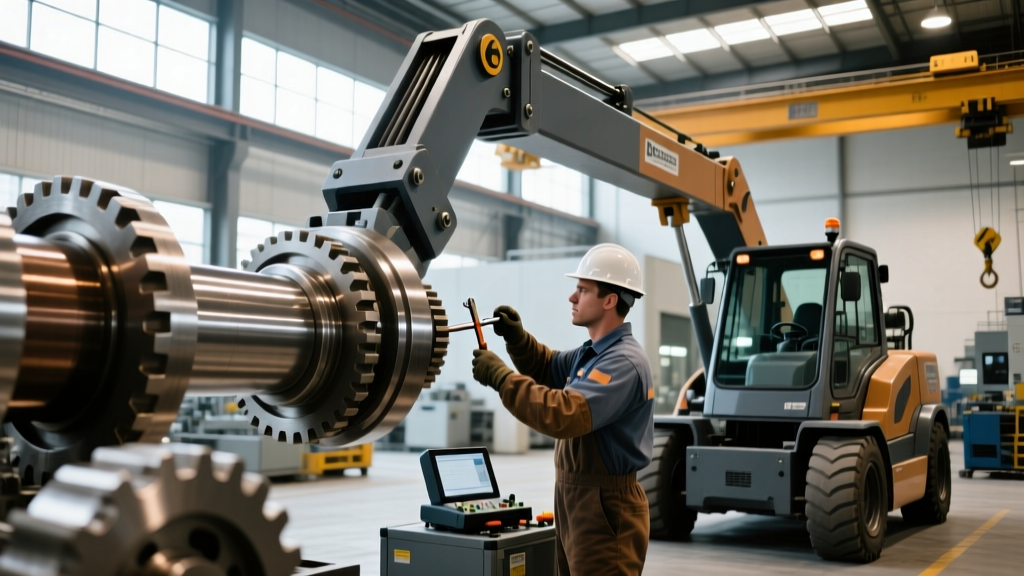
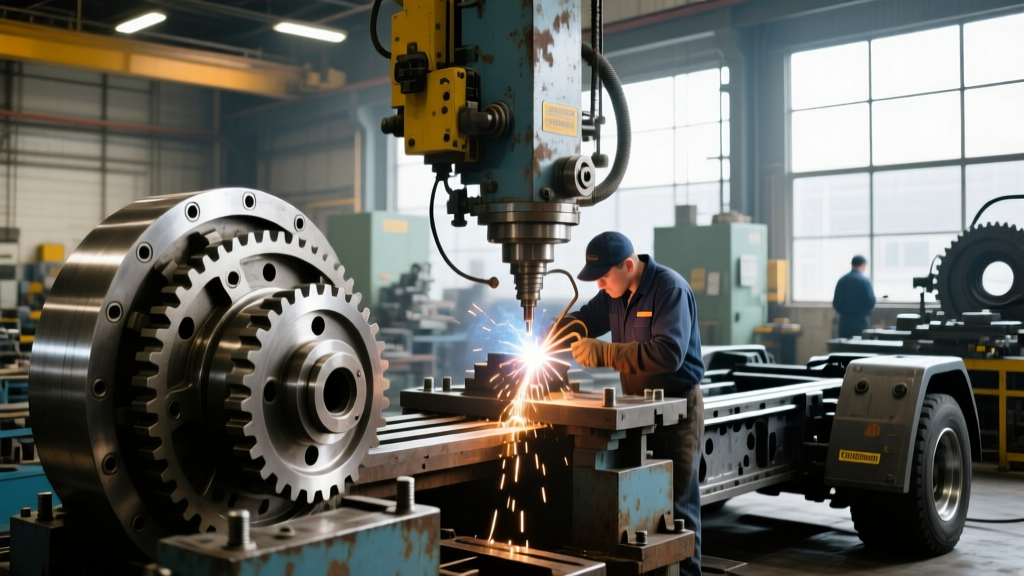
The repair facility executed a complete driveline and hydraulic overhaul on all 14 units. Each rebuild required between 120 and 160 labor hours. Technicians stripped the auxiliary hydraulic systems, flushed the reservoirs to an ISO 4406 cleanliness code of 16/14/11, and installed the aforementioned 48-spline yokes and Viton-sealed Parker pumps. Additionally, the custom Pachuco aesthetic and functional integration included reinforcing the chassis-mounted hydraulic tanks with 1/4-inch AR400 abrasion-resistant steel plating to prevent rock-strike punctures.
"Before adopting the Pachuco reinforcement protocol, we were replacing PTO shafts every 4,000 operating hours. Since the rebuild, our first units have crossed 9,500 hours with zero driveline failures. The upfront cost of $18,500 per truck paid for itself in saved concrete loads within the first four months."
— Director of Fleet Maintenance, Southwest Aggregate Solutions
Sourcing the Right Aftermarket Components
Executing this level of repair requires strict procurement protocols. Sourcing cheap, out-of-spec aftermarket parts will immediately negate the benefits of the Pachuco methodology. When procuring components for severe-duty vocational rebuilds, maintenance managers must verify exact metallurgical and engineering specifications. The Eaton transportation and vocational powertrain guidelines emphasize that mismatched metallurgy in driveline components leads to galvanic corrosion and premature wear.
Procurement Checklist for Severe-Duty Rebuilds
- Verify Spline Hardness: Demand Rockwell C-scale (HRC) certification for all aftermarket driveline yokes. Minimum acceptable hardness for severe-duty applications is 52 HRC on the spline teeth.
- Hydraulic Hose Ratings: Replace all standard SAE 100R2 hoses with SAE 100R12 or 100R13 four-spiral or six-spiral wire hoses rated for 6,000 PSI working pressure, regardless of the pump's maximum relief valve setting.
- CAN Bus Compatibility: When upgrading electronic PTO controllers, ensure the aftermarket module supports the J1939 CAN bus protocol at 250 kbps to prevent communication faults with the engine ECM.
- Fastener Grade Verification: Reject any suspension U-bolts that do not have the manufacturer's grade stamp (Grade 8 or metric 10.9) physically forged into the head. Painted-over, unmarked fasteners are unacceptable for heavy equipment.
ROI and Lifecycle Extension Analysis
The financial justification for the Pachuco truck & heavy equipment repair methodology becomes clear when analyzing total cost of ownership (TCO) over a 10-year horizon. A standard OEM-spec vocational mixer typically requires a major powertrain and hydraulic overhaul at year 5, costing upwards of $45,000, or faces early retirement and replacement at a cost exceeding $220,000 for a new 2026 chassis.
By investing the $18,500 to $22,000 per unit in the Pachuco severe-duty reinforcement protocol at year 4, fleet operators effectively reset the mechanical clock on the truck's most vulnerable systems. Data from the Oshkosh S-Series case study indicates that reinforced units maintain a 92% operational readiness rate through year 8, compared to a 68% readiness rate for standard OEM-spec units in the same environment. The methodology shifts the repair paradigm from reactive component replacement to proactive system over-engineering, ensuring that heavy equipment survives the brutal realities of the jobsite while maintaining the reliability required for modern industrial logistics.