Mechanic vs Operator: Heavy Equipment Operator Stickers & Tech
Compare heavy equipment mechanic vs operator careers in 2026. Discover how tech, telematics, and smart heavy equipment operator stickers shape both paths.
The modern jobsite has gone entirely digital. In 2026, the divide between a heavy equipment mechanic and an operator is no longer just about wrenches versus joysticks; it is defined by data integration, telematics, and augmented reality. At the center of this technological shift are what the industry now refers to as smart heavy equipment operator stickers. Far from the novelty decals of the past decade, these are NFC-enabled tags, QR-coded compliance markers, and RFID asset trackers affixed to cabs, engine bays, and hydraulic manifolds. They serve as the physical bridge between the iron and the cloud.
Choosing between the operator's seat and the mechanic's bay requires a clear understanding of how technology has rewritten both job descriptions. This guide breaks down the daily workflows, compensation structures, and technological ecosystems of both careers to help you make a data-driven decision.
What Are Smart Heavy Equipment Operator Stickers?
In the 2026 tech ecosystem, heavy equipment operator stickers are ruggedized, weather-proof NFC and RFID decals. Operators tap their site-issued tablets against these stickers to log digital pre-trip inspections, verify payload limits, and sync machine control profiles. Mechanics scan these same stickers to instantly pull up augmented reality (AR) schematics, telematics fault codes, and OEM service history directly on their field tablets.
The Operator’s Domain: Machine Control and Digital Compliance
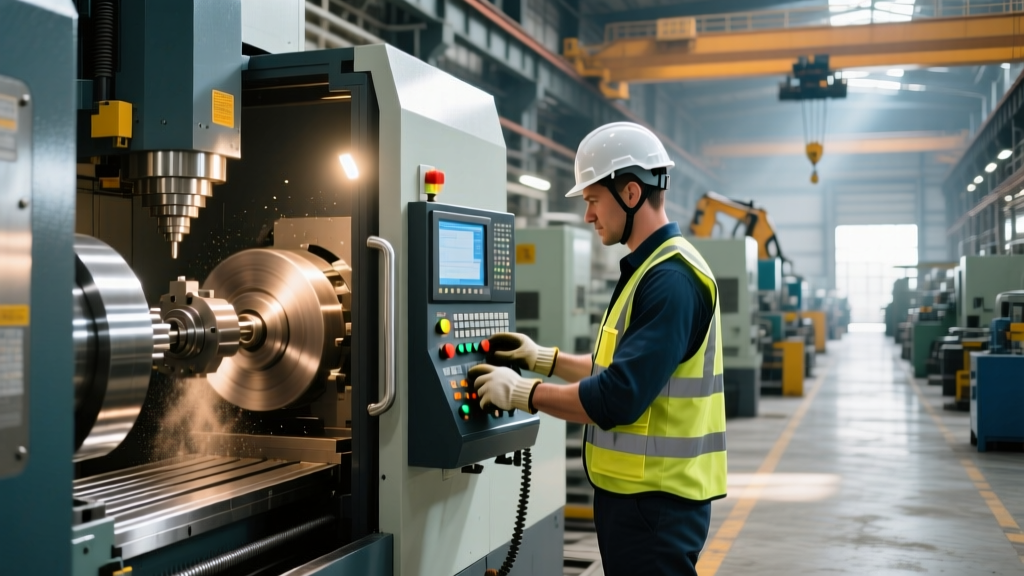
The role of a heavy equipment operator has evolved from purely manual machine manipulation to managing a mobile data center. Modern operators working on machines like the Caterpillar 336 Excavator or the John Deere 944K Wheel Loader spend as much time interacting with touchscreens and 3D grade automation as they do with hydraulic pedals.
When an operator approaches a machine, their first interaction is often with the heavy equipment operator stickers located on the cab door or ROPS pillar. By tapping a ruggedized smartphone or tablet to the NFC tag, the operator initiates a secure digital handshake. This action pulls the day's 3D topographical models from the site server directly into the machine's Trimble Earthworks or Topcon MC-X system. It also logs the operator's biometric fatigue baseline and digital certification status, ensuring compliance with OSHA and site-specific safety mandates before the engine can even be cranked.
Key Technological Competencies for Operators
- 3D Machine Control: Interpreting GNSS-guided grade models and managing automated blade/bucket controls to achieve millimeter-accurate trenching and dozing.
- Telematics Payload Tracking: Using onboard weighing systems integrated with fleet management software to maximize truck load efficiency without triggering overweight fines.
- Digital Pre-Trip Audits: Utilizing smart stickers to execute guided, photo-documented walkaround inspections that feed directly into the fleet manager's predictive maintenance dashboard.
The Mechanic’s Realm: AR Diagnostics and Predictive Maintenance
Heavy equipment mechanics—often titled Field Service Technicians or Diagnostic Specialists—operate in a highly analytical environment. The days of relying solely on mechanical intuition and analog pressure gauges are over. Today's mechanics are essentially IT specialists who specialize in high-torque, high-voltage mobile hardware.
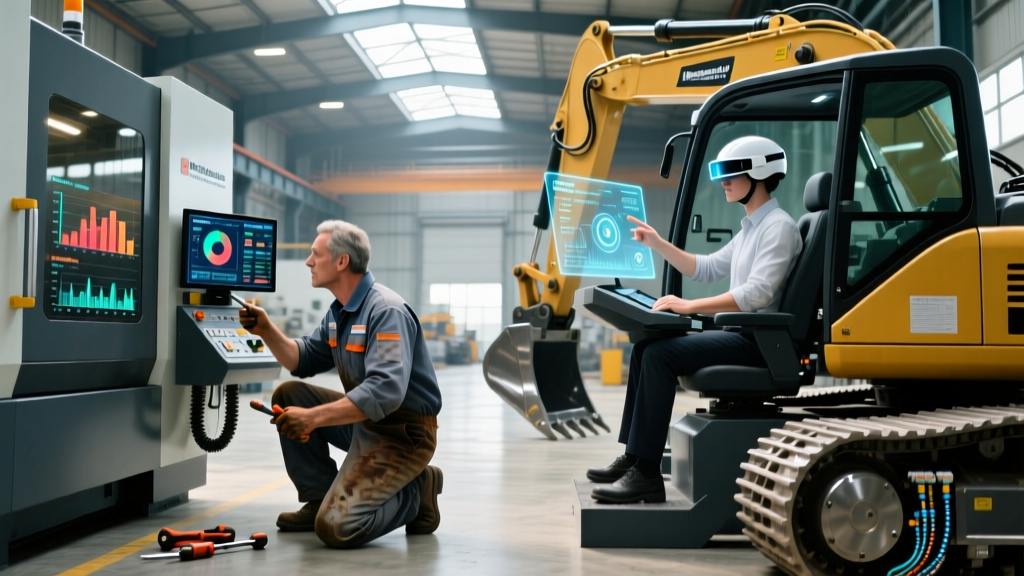
For the mechanic, the heavy equipment operator stickers located on the engine bay and hydraulic pump housings are diagnostic gateways. Scanning a QR-coded sticker on a Komatsu PC210LC-11 with a Panasonic Toughbook tablet instantly launches the OEM's diagnostic portal. In 2026, this frequently triggers an Augmented Reality (AR) overlay. Using AR-equipped safety glasses or a tablet camera, the mechanic can 'see' through the engine shrouds, with digital torque specifications, hydraulic fluid routing diagrams, and real-time sensor data superimposed over the physical components.
Key Technological Competencies for Mechanics
- Predictive Telematics Analysis: Interpreting fluid degradation sensors and vibration analytics to replace components before catastrophic failure occurs.
- High-Voltage & Hybrid Systems: Safely diagnosing and repairing the 48V to 800V electrical architectures now standard in modern electric and hybrid-electric wheel loaders and excavators.
- ECU Flashing & Calibration: Performing over-the-air (OTA) or hardline firmware updates to Engine Control Units and hydraulic pump controllers.
Career Comparison Matrix: Mechanic vs. Operator
The following matrix highlights the structural differences between the two career paths, factoring in the technological requirements and financial realities of the 2026 job market.
| Feature | Heavy Equipment Operator | Heavy Equipment Mechanic |
|---|---|---|
| Primary Tech Stack | GNSS Machine Control, 3D Modeling, Fleet Telematics | AR Schematics, Oscilloscopes, CAN Bus Analyzers |
| Smart Sticker Interaction | Compliance logging, profile syncing, pre-trip audits | Fault-code retrieval, AR overlay triggering, parts ordering |
| 2026 Median Salary | $78,500 - $95,000 (Base + Overtime) | $88,000 - $115,000+ (Field Service Premium) |
| Entry Barrier | Moderate (Apprenticeship, NCCCO Certs) | High (2-4 Year Technical Degree, OEM Certs) |
| Physical Toll | Low-Moderate (Vibration, sedentary, climate-controlled cabs) | High (Heavy lifting, extreme weather, chemical exposure) |
Compensation and Career Ceilings in 2026
According to data tracked by the U.S. Bureau of Labor Statistics, the financial trajectories of these two roles diverge significantly based on specialization and overtime availability. Operators generally see a lower ceiling unless they transition into specialized roles like tower crane operation or pipeline dozer operation, where union scales can push total compensation past $120,000. However, standard earthmoving operators typically cap out in the mid-$90,000s.
Mechanics, conversely, benefit from a severe industry-wide talent shortage. The BLS notes that diesel and heavy equipment specialists with advanced diagnostic certifications command massive premiums. A field service mechanic willing to travel for emergency breakdowns on mining equipment or large-scale paving fleets can easily clear $130,000 annually when factoring in overtime, per-diem, and tool allowances. Furthermore, mechanics have a clearer pathway to six-figure management roles, such as Fleet Maintenance Director or Regional Service Manager.
Decision Framework: Which Path Aligns With Your Aptitude?
Use this practical framework to determine which career aligns with your natural skillset and lifestyle preferences:
- Choose the Operator Path If: You possess high spatial awareness, excel at hand-eye coordination, and prefer a work environment where your office moves with you. You are comfortable adapting to new software interfaces (like 3D grade models) but prefer not to spend your day covered in grease or diagnosing complex electrical circuits.
- Choose the Mechanic Path If: You are inherently analytical, enjoy solving complex logic puzzles, and do not mind physical exertion. If you find satisfaction in reading wiring diagrams, using multimeters to trace CAN bus communication faults, and prefer a career where your technical knowledge directly compounds into higher hourly rates, the bay is where you belong.
Certification and Training Pathways
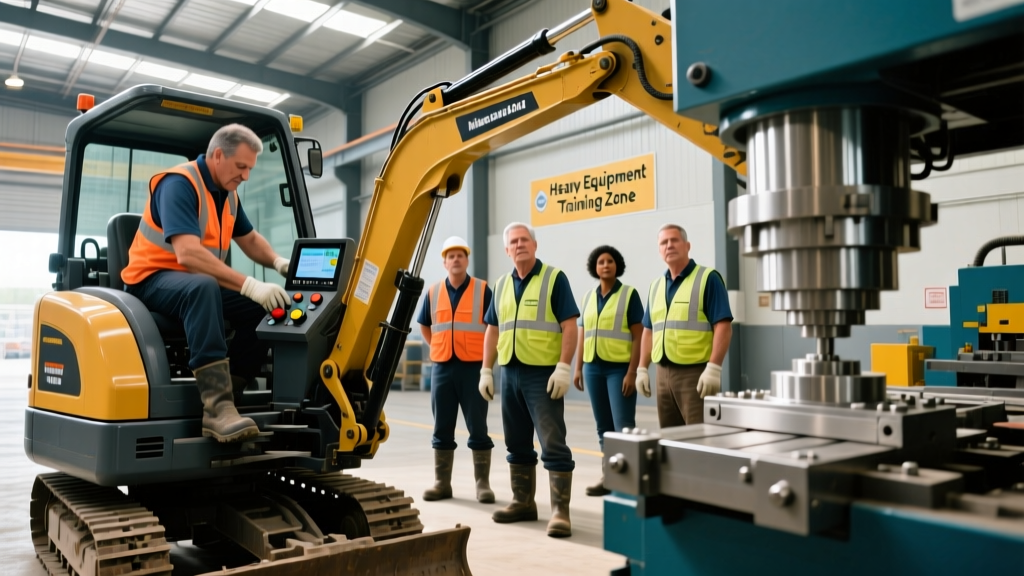
The barrier to entry for both roles has risen in tandem with the technology. For operators, securing a position on a tech-forward site requires more than just seat time. Certifications from the National Commission for the Certification of Crane Operators (NCCCO) or the National Center for Construction Education and Research (NCCER) are baseline requirements. Additionally, operators who take the initiative to complete OEM-specific machine control training (such as Trimble or Topcon certification courses) make themselves indispensable to contractors bidding on precision-grade highway and commercial projects.
For mechanics, the traditional 'shadowing' apprenticeship model is being rapidly replaced by structured technical programs. OEM-sponsored initiatives like the Caterpillar ThinkBIG program or the John Deere TECH program partner with local community colleges to provide a two-year associate degree. These programs blend traditional mechanical theory with advanced electronics, hydraulics, and software diagnostics. Graduates of these programs enter the workforce already certified on specific proprietary diagnostic software, allowing them to command top-tier starting wages immediately upon hire.
Industry Reality Check: The most successful professionals in 2026 are those who blur the line. Operators who understand basic hydraulic fault codes can communicate more effectively with the shop, reducing machine downtime. Mechanics who understand how to calibrate 3D machine control sensors add immense value to the operations team. Cross-training is the ultimate career insurance policy.
Ultimately, whether you are scanning heavy equipment operator stickers to log a digital pre-trip or to launch an AR repair schematic, both careers offer robust, technology-driven futures. The choice depends entirely on whether you prefer to command the machine's movements or master its internal nervous system.