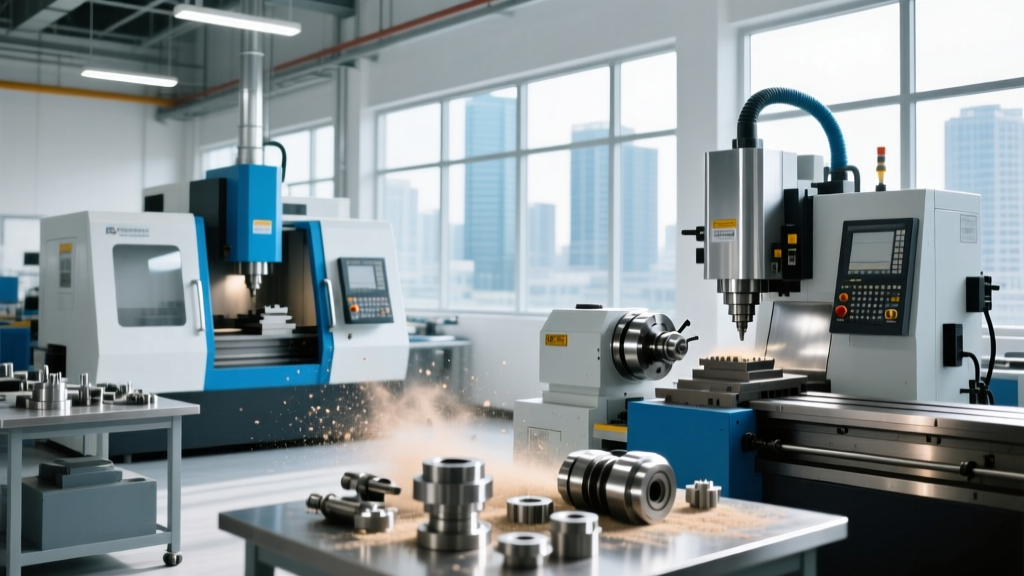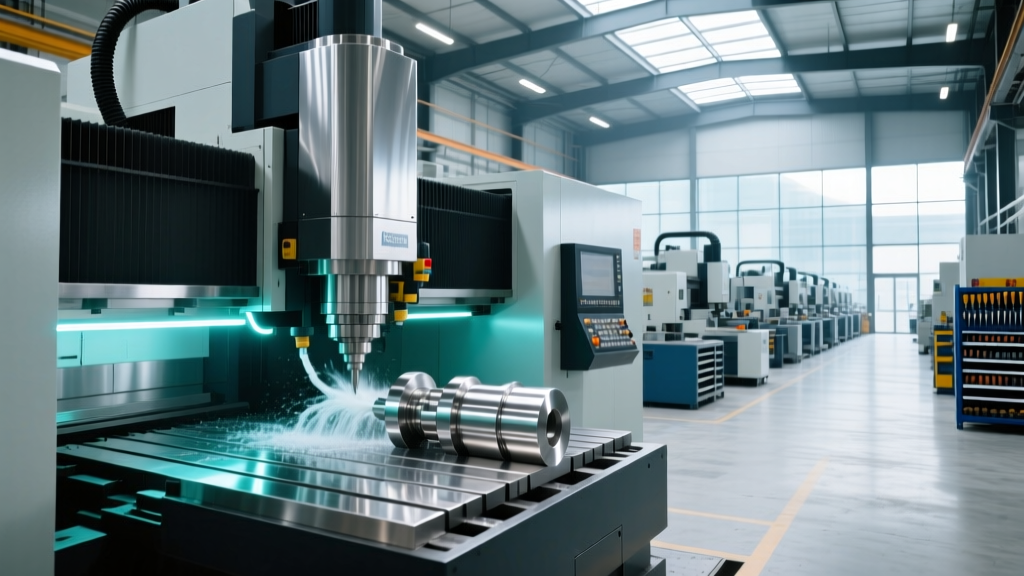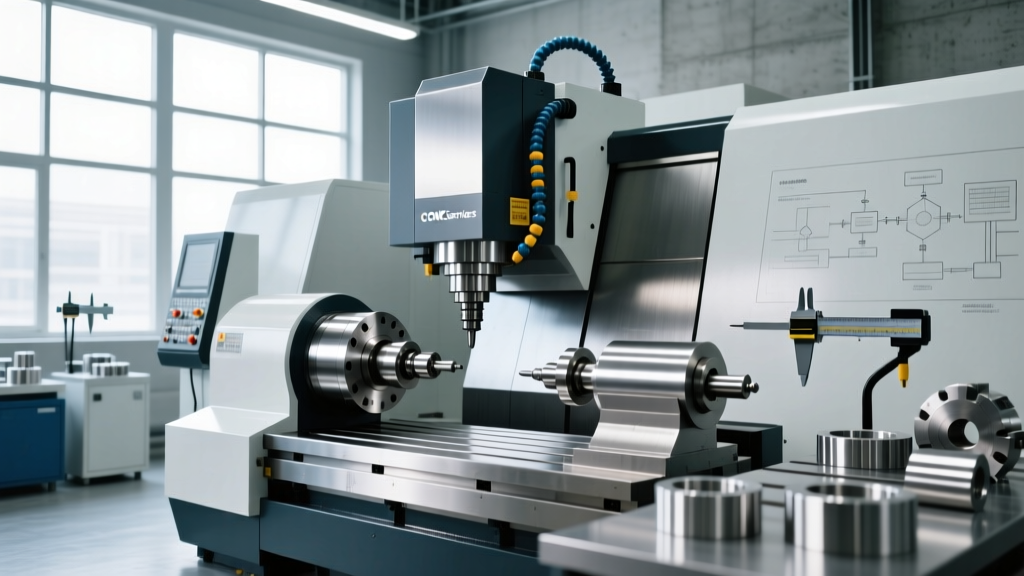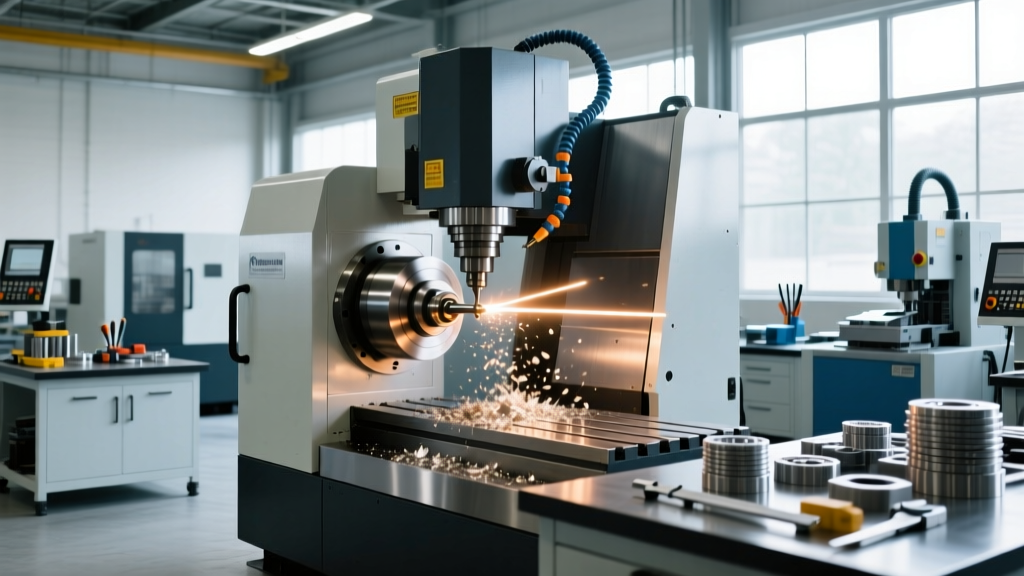
Georgia Rapid Prototyping: CNC Post-Processing
Need rapid prototyping CNC machining in Georgia? Compare post-processing ops and find the ideal prototype partner for your project.
Mechanical engineers, hardware startup founders, and procurement managers in the Southeast require precise local manufacturing partners. If you are seeking prototype machining in Georgia, the core answer lies in partnering with ISO 9001:2015-certified facilities in the Atlanta and Savannah industrial corridors that integrate in-house post-processing. True CNC rapid prototyping in Georgia extends beyond basic milling; it requires advanced surface finishing and heat treatment to yield functional, end-use ready parts. By leveraging comprehensive rapid prototyping CNC machining in Georgia networks, product teams can reduce lead times from weeks to mere days while maintaining aerospace-grade tolerances.
- Georgia's Computer Numerical Control prototyping hubs offer 48-hour turnarounds for complex geometries.
- In-house post-processing eliminates secondary vendor delays, saving up to 14 days.
- Surface treatments like Type III anodizing are critical for functional prototype validation.
The State of CNC Rapid Prototyping in Georgia
Definition: Computer Numerical Control (CNC) Rapid Prototyping
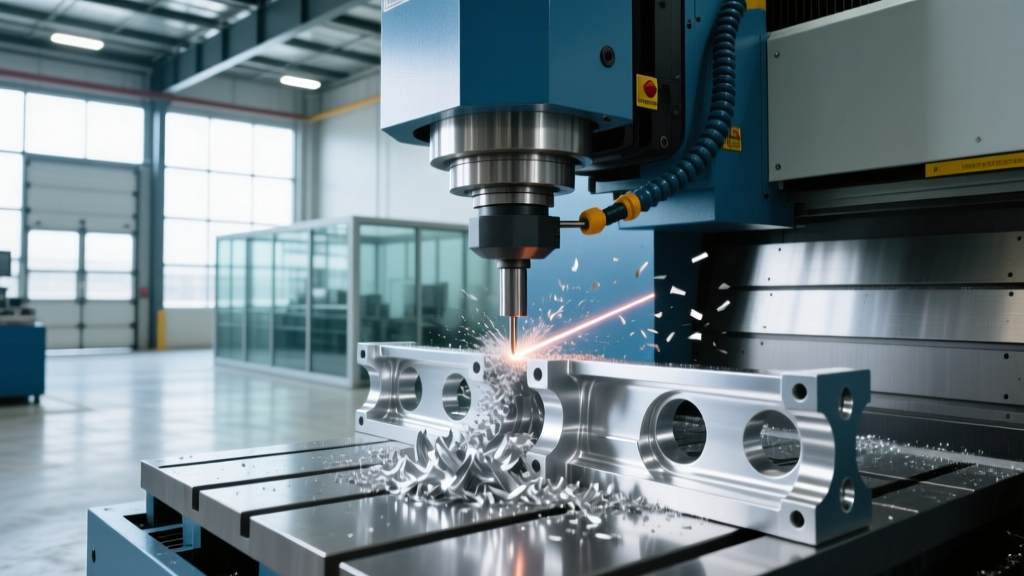
Computer Numerical Control rapid prototyping is the automated, software-driven manufacturing of physical parts directly from Computer-Aided Design models. This subtractive process utilizes multi-axis cutting tools to quickly produce high-fidelity, dimensionally accurate functional prototypes from solid billets of metal or engineering plastics.
Georgia's manufacturing sector has expanded significantly, driven by advanced aerospace and automotive supply chains. According to the Georgia Department of Economic Development, the state's advanced manufacturing hubs now support over 800 specialized machining facilities. This density allows local engineers to source 5-axis milled components with tolerances holding to 0.0005 inches.
Furthermore, the integration of Industry 4.0 telemetry in modern Georgian machine shops allows for real-time spindle load monitoring. This technological adoption reduces tool breakage incidents by 18% during high-speed machining of tough alloys like Titanium Grade 5.
Essential Post-Processing Operations
Raw machined parts rarely meet final functional requirements straight off the bed. Post-processing operations transform raw metal into durable, corrosion-resistant, and aesthetically validated prototypes.
Surface Finishing and Anodizing
Aluminum 6061-T6 is the most prevalent alloy in prototyping due to its strength-to-weight ratio. However, raw aluminum oxidizes and wears quickly. Applying a Type III hard anodize coating increases surface hardness to 60 Rockwell C, making it suitable for wear-intensive testing environments.
Definition: Post-Processing Operations
Post-processing operations encompass all secondary manufacturing steps performed on a part after the primary Computer Numerical Control machining cycle is complete. These critical procedures include surface finishing, heat treatment, deburring, and coating applications designed to enhance mechanical properties, corrosion resistance, and aesthetic quality.
Heat Treatment and Stress Relieving
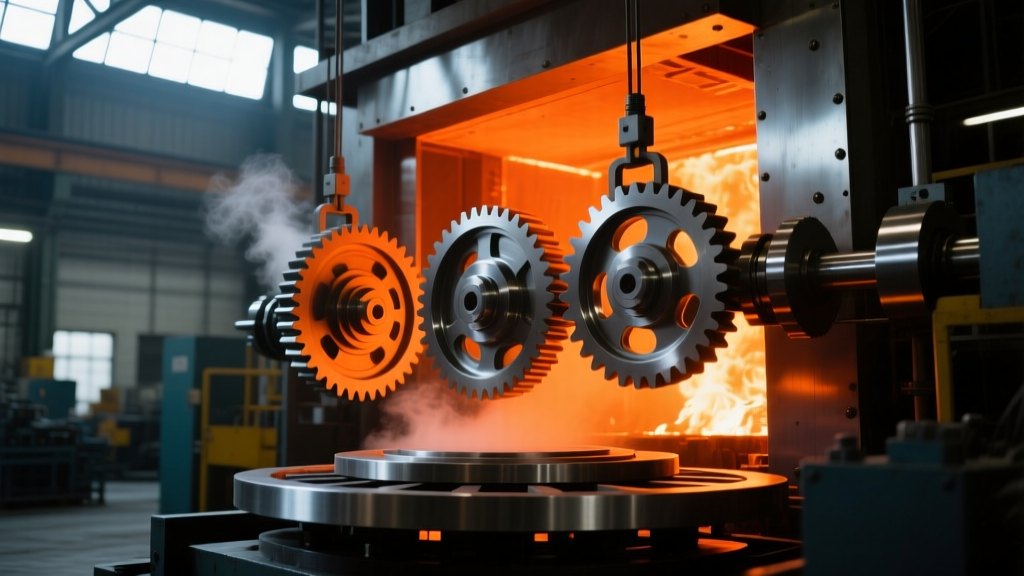
Machining introduces residual thermal and mechanical stresses into metal lattices. Stress relieving steel prototypes at 1100°F for exactly 2 hours prevents dimensional warping during subsequent operational testing. The Society of Manufacturing Engineers notes that skipping this step can cause tolerance deviations up to 0.015 inches in high-carbon steels.
Media Blasting and Surface Texturing
Achieving a uniform matte finish requires precise media blasting techniques. Using 120-grit glass bead media at 40 PSI creates an optimal surface profile for subsequent powder coating applications. This specific texture profile increases coating adhesion strength by approximately 25% compared to raw milled surfaces.
Post-Processing Selection Matrix
Choosing the correct secondary operation depends on your prototype's end-use environment. Use this decision framework to align material choices with functional requirements.
| Material | Primary Post-Process | Functional Benefit | Typical Lead Time Addition |
|---|---|---|---|
| Aluminum 6061-T6 | Type II Anodizing | Corrosion resistance, color coding | 24 hours |
| Aluminum 7075-T6 | Alodine (Chem Film) | Electrical conductivity, paint base | 12 hours |
| Stainless Steel 316 | Passivation | Removes free iron, maximizes rust resistance | 18 hours |
| Tool Steel D2 | Vacuum Heat Treating | Achieves 62 HRC hardness for cutting edges | 48 hours |
Frequently Asked Questions
What is the average turnaround time for CNC rapid prototyping in Georgia?
Standard turnaround for 3-axis milled prototypes is 3 to 5 business days. Complex 5-axis geometries requiring secondary post-processing operations typically require 7 to 10 business days, assuming local supply chain stability.
How do I ensure quality control for prototype machining in Georgia?
Request First Article Inspection (FAI) reports compliant with the AS9102 standard established by the Society of Automotive Engineers (SAE). Reputable facilities utilize Coordinate Measuring Machines (CMM) to verify critical dimensions against your original Computer-Aided Design geometry before shipping.
Why is local rapid prototyping CNC machining in Georgia better than overseas sourcing?
Local sourcing eliminates international freight delays and customs holds. It also enables same-day in-person design reviews, allowing engineering teams to iterate on physical prototypes 40% faster than with overseas vendors.
Which engineering plastics are best for rapid prototyping CNC machining in Georgia?
Delrin (Polyoxymethylene) and PEEK (Polyetheretherketone) are the top choices for high-performance plastic prototypes. Delrin offers excellent machinability and low friction, making it ideal for gears and bushings. PEEK provides exceptional thermal stability up to 480°F and chemical resistance, though it requires specialized cutting tool geometries to prevent edge burring.
Next Steps for Procurement
Securing reliable prototype machining requires verifying a vendor's post-processing capabilities, not just their machine tool inventory. Evaluating in-house finishing options ensures your functional prototypes arrive ready for rigorous physical testing without requiring third-party logistics.
Building a localized supply chain mitigates geopolitical risks and ensures intellectual property remains within domestic jurisdictions. Audit your current Computer-Aided Design models and identify which surfaces require specific hardness or corrosion treatments. Contact three ISO-certified machining facilities in the Atlanta metropolitan area to request quotes that explicitly itemize their post-processing lead times and quality inspection protocols.