Automated CNC Machine Maintenance for Aluminum Machining
Optimize uptime with precise automated CNC machine maintenance schedules tailored for high-speed aluminum machining, covering spindles, coolant, and robotics.
The Aluminum Factor: Why Standard Schedules Fail
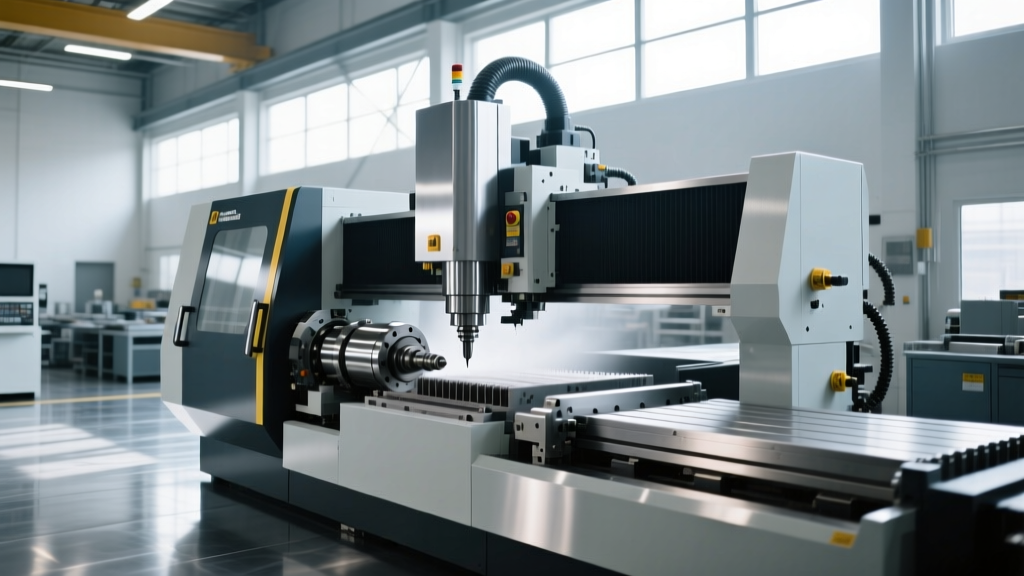
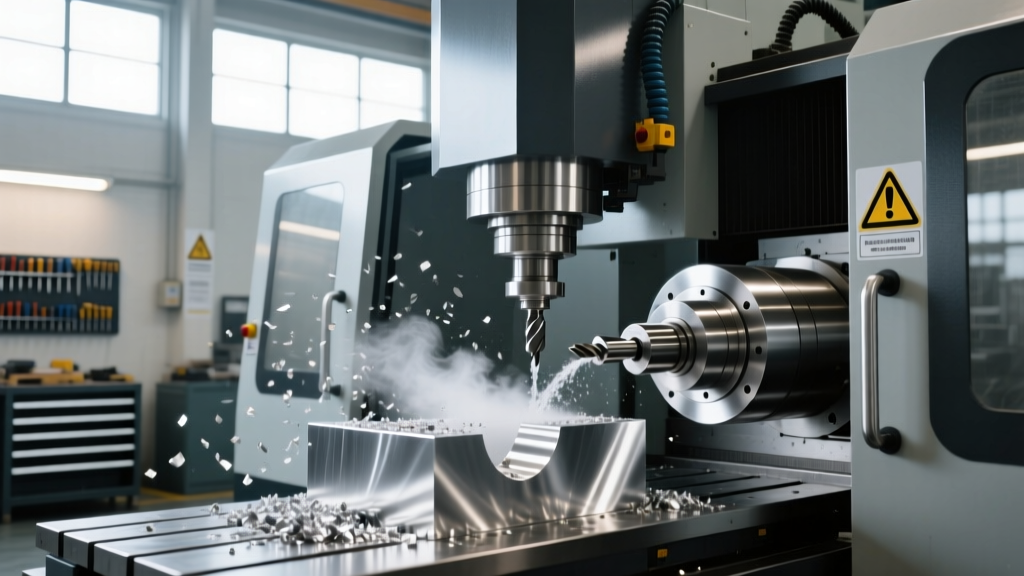
Running an automated CNC machine for aluminum machining operations introduces a unique set of mechanical and chemical stressors that standard steel-machining maintenance schedules fail to address. Aluminum alloys like 6061-T6 and 7075 generate chip volumes up to three times greater than steel at equivalent material removal rates (MRR). In an untended, automated environment—such as a cell utilizing a FANUC M-20iD/25 robot tending a Haas DS-2 dual-spindle mill—this massive chip volume combines with stringy chip morphology to create severe bird-nesting risks.
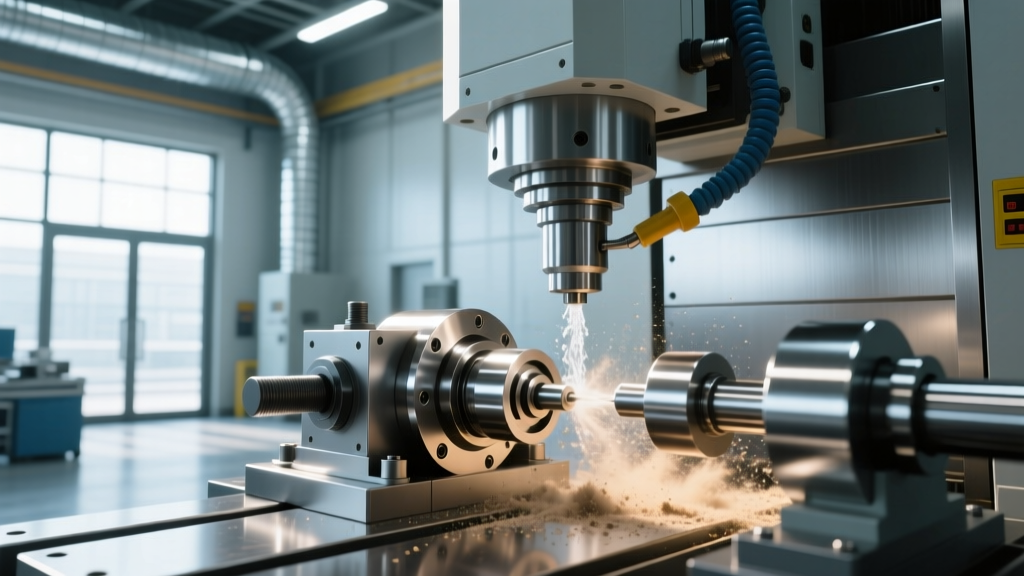
Furthermore, aluminum's high thermal conductivity and tendency to form a built-up edge (BUE) demand aggressive, high-pressure coolant application. This accelerates coolant degradation and tramp oil contamination. If your preventive maintenance (PM) protocol does not specifically target the intersection of high-volume chip evacuation, coolant chemistry, and robotic end-of-arm tooling (EOAT) cleanliness, your automated cell will experience micro-stoppages that destroy overall equipment effectiveness (OEE).
⚠️ Critical Warning: Refractometer Skew in Aluminum CellsAutomated aluminum cells require way lube to prevent axis stiction at high rapid traverse rates (e.g., 1,000 ipm). However, way lube inevitably leaks into the coolant sump. In aluminum machining, tramp oil emulsifies rapidly, causing standard optical refractometers to read artificially high. A reading of 10% might actually be 6% coolant and 4% tramp oil. This false concentration leads to catastrophic BUE, tool breakage, and scrapped parts during untended night shifts. Always use a refractometer calibrated with a specific multiplier for your fluid, or invest in a digital titration unit for weekly PM checks.
Daily & Shift-Level Automated CNC Machine Maintenance
Daily maintenance in an automated aluminum cell shifts focus from the operator to the automation hardware. Human operators naturally clear chips and wipe sensors; robots do not. The daily PM checklist must enforce the cleanliness of the machine's sensory and gripping interfaces.
Robotic Loader & Pallet Changer Alignment
- EOAT Gripper Jaw Cleaning: Aluminum chips are sharp and easily embed into urethane or Delrin gripper pads. Inspect and blow out gripper jaws with a 90 PSI air gun every 8 hours. Embedded chips will scratch raw aluminum billets and cause clamping misalignment.
- Proximity Sensor Wiping: Wipe all inductive and photoelectric part-presence sensors with an isopropyl alcohol wipe. Aluminum dust is highly reflective and can trick photoelectric sensors into registering a false 'part loaded' state, causing the machine to cycle without a workpiece.
- Pallet Changer Seal Inspection: For automated pallet pools (e.g., Makino a61nx), check the pallet seating surfaces for chip accumulation. A single 2mm aluminum chip trapped under the pallet coupling can induce a 0.001-inch Z-axis error, ruining tight-tolerance aerospace aluminum components.
Weekly Service: Spindle, Way Lube, and Coolant Chemistry
Weekly intervals are dedicated to fluid management and high-speed rotating assembly verification. Aluminum machining often utilizes spindle speeds exceeding 15,000 RPM to maintain proper surface feet per minute (SFM). This demands rigorous lubrication oversight.
| Fluid System | Specification / Grade | Weekly Action Required |
|---|---|---|
| Way Lubrication | ISO VG 68 (e.g., Mobil Vactra No. 2) | Verify lube pump cycle time (typically 4 mins on / 15 mins off). Check for line pressure drops indicating a clogged metering valve. |
| Spindle Oil-Air Mist | ISO VG 10 or VG 22 Spindle Oil | Check oil level in the air-oil mixer unit. Ensure air pressure remains strictly between 58-72 PSI to prevent over-lubrication and spindle overheating. |
| Cutting Fluid | Semi-synthetic, 8-10% Concentration | Skim tramp oil. Test concentration via digital titration. Adjust pH to 9.0-9.5 to prevent aluminum oxidation and staining. |
According to Sandvik Coromant's machining fundamentals, maintaining the correct coolant concentration and pH is non-negotiable when machining non-ferrous metals. A drop in pH below 8.5 will cause the aluminum to react chemically with the water in the coolant, generating hydrogen gas and leaving a white, powdery oxide residue on both the parts and the machine's interior way covers.
Monthly & Quarterly Deep Service Intervals
Monthly and quarterly schedules address the physical removal of aluminum chips from the machine's deepest recesses and the calibration of the automation hardware.
Chip Conveyor Tension and Cleat Inspection
Aluminum chips are notoriously abrasive and can wedge themselves under the hinge belt of a standard chip conveyor. Every 30 days, loosen the conveyor tensioning bolts, inspect the underside of the belt for embedded chips, and re-tension to the manufacturer's specification (usually allowing 1/2 inch of deflection at the midpoint). Failure to do this results in conveyor motor overload trips, which will instantly halt the automated cell.
Servo Motor and Cable Track Verification
High-speed aluminum milling requires aggressive axis acceleration. Inspect the energy chains (cable tracks) on the X and Y axes monthly. Look for abrasion on the robotic communication cables and servo encoder wires. Aluminum dust is conductive; if it infiltrates a damaged encoder cable shield, it will cause intermittent communication faults (e.g., FANUC SV0411 errors) that are notoriously difficult to diagnose.
Comparison Matrix: Standard Mill vs. Aluminum-Specific Automation
To understand the divergence in maintenance priorities, compare a standard job-shop steel mill with a dedicated automated aluminum cell.
| Maintenance Vector | Standard Steel Job-Shop Mill | Automated Aluminum Cell |
|---|---|---|
| Chip Management | Manual clearing; brittle chips break easily. | Automated high-pressure washdown; stringy chips require conveyor cleats and aggressive coolant flushing. |
| Coolant Chemistry | Focus on rust inhibition (pH 9.0+). | Focus on lubricity and preventing BUE; strict tramp oil skimming required. |
| Spindle Wear | High torque, low RPM; bearing wear from radial loads. | Low torque, high RPM (15k+); bearing wear from thermal expansion and centrifugal forces. |
| Automation Hardware | N/A or minimal (bar feeders). | Daily EOAT cleaning, sensor calibration, and gripper pressure checks. |
Troubleshooting Common Aluminum Automation Failures
Even with rigorous adherence to manufacturer preventive maintenance guidelines, automated aluminum cells experience specific failure modes. Recognizing these edge cases reduces mean-time-to-repair (MTTR).
Failure Mode 1: Stringy Chip Bird-Nesting on EOAT
Symptom: The robot faults out with a 'Gripper Open/Close Timeout' or drops a part during the load cycle.
Root Cause: Long, stringy aluminum chips wrap around the gripper fingers or the part itself, preventing the pneumatic jaws from achieving full stroke.
Corrective Action: Do not just clear the chip. Adjust the internal coolant through-spindle (TSC) pressure to a minimum of 300 PSI during the final pass of the roughing cycle to break the chip. If using flood coolant, install an air-blast macro in the CNC program that fires a 100 PSI air jet at the part for 1.5 seconds immediately before the robot enters the machine envelope.
Failure Mode 2: Untended BUE Tool Breakage
Symptom: The machine stops on a spindle load alarm during a night shift, or the in-process probing cycle detects an oversized bore.
Root Cause: Built-up edge (BUE) has accumulated on the cutting edge of the end mill, altering the tool's effective diameter and increasing cutting forces until the tool fractures.
Corrective Action: BUE in aluminum is almost always a lubricity failure, not a speed failure. Verify that your coolant concentration has not dropped below 8%. If concentration is correct, switch to a tool with a Zirconium Nitride (ZrN) or uncoated polished carbide substrate. Standard TiAlN coatings have a high chemical affinity for aluminum and will accelerate BUE formation in high-speed automated milling.
To protect untended shifts from BUE-induced crashes, utilize the CNC controller's tool life management macros. Set a strict piece-count limit for aluminum roughing tools based on historical wear data (e.g., force a tool change after 450 parts, even if the tool looks visually acceptable). Pair this with a spindle load monitoring threshold set 15% above the baseline cutting load to instantly halt the machine if BUE begins to spike cutting forces.
Mastering the maintenance of an automated CNC machine for aluminum operations requires shifting your perspective from simple mechanical lubrication to comprehensive chemical and robotic management. By enforcing strict coolant titration, securing the robotic sensory environment, and anticipating the unique failure modes of non-ferrous chips, manufacturing facilities can push their automated cells past 85% OEE while maintaining aerospace-grade surface finishes.